
Can my existing radiators stay with a new boiler?
In many homes, existing radiators can stay when a new boiler is installed, provided they are sound, correctly sized and heating the rooms properly. We check their condition and output, then recommend replacements only where a radiator is undersized, corroded or unsuitable for the new system.
Replacing the boiler does not automatically mean replacing every radiator. The important question is whether the existing heating system can deliver the heat each room needs at the temperatures a modern boiler is designed to use.
A new condensing boiler works most efficiently when the water returning to it is cool enough for condensation to take place. Radiators that are larger than strictly necessary can help with this, because they can heat a room without requiring excessively hot water. Older radiators are not automatically unsuitable.
During the assessment, we look at how the system has behaved in practice. A room that has always stayed cold, a radiator that only heats at the top, or one that needs frequent bleeding may point to a separate problem. We also look for corrosion, leaks, blocked sections and damaged fittings. A radiator that is sound and heats evenly may have years of useful service left.
The heat required by each room matters more than the age or appearance of its radiator. A small radiator in a large room, a poorly insulated extension or a room with several external walls may not provide enough output. In that case, the boiler could be working correctly while the room still feels cold. We can identify those individual radiators rather than recommending a wholesale replacement.
- Room size and heat loss: larger or less well-insulated rooms may need more radiator output.
- Water temperature: radiator output changes when the system runs at lower temperatures.
- Position: a radiator behind furniture or beneath an unsuitable covering may not circulate heat effectively.
- Pipework: older systems, including some microbore layouts, need checking for adequate circulation.
- Controls: thermostatic radiator valves and room controls affect how evenly the home warms up.
Sludge and dirty system water can also restrict circulation. Dark water, noisy radiators and repeated pump or valve problems are signs that the system may need cleaning or remedial work. Cleaning the system and fitting appropriate protection can be more useful than changing radiators that are otherwise in good condition.
The connection between the boiler and each radiator matters as well. If the pipework or valves are altered during the installation, we plan that work before the old boiler is removed. This avoids discovering a circulation problem after the new appliance is running.
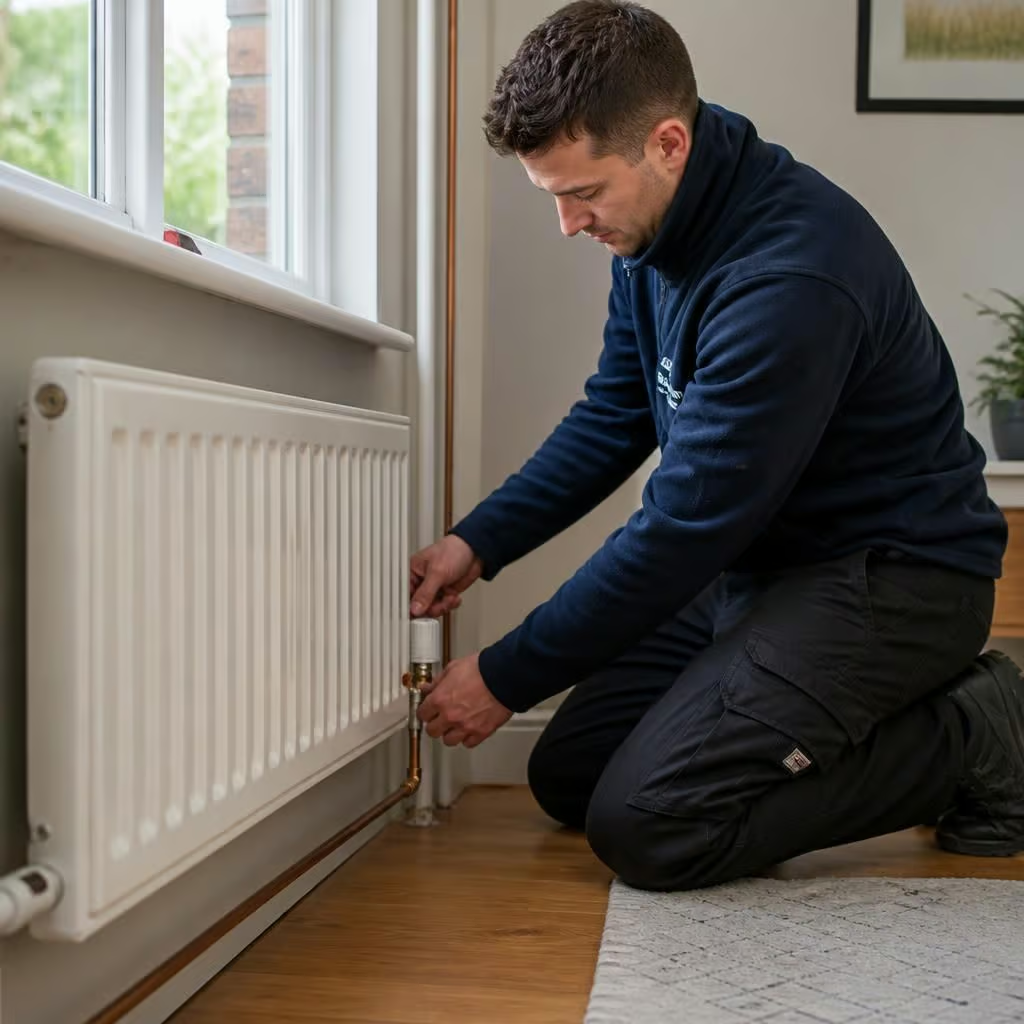
Some older radiators have simple manual valves, while others have thermostatic valves that no longer respond properly. Replacing a faulty valve can restore control in one room without changing the radiator itself. We also balance the system so that radiators closer to the boiler do not take all the available flow.
An older property may have been designed around higher flow temperatures, particularly if it has solid walls, high ceilings or rooms added over time. That does not rule out keeping the radiators. It means we need to assess insulation, room heat loss and the intended operating temperature together. Where a radiator upgrade would make a noticeable difference, we explain which room needs it and why.
Keeping the existing radiators can reduce disruption, but it is not always the cheapest long-term choice if several are corroded, undersized or poorly positioned. We compare the condition of the current system with the cost and practical benefit of changing parts of it. You can then decide between retaining the radiators, replacing selected units or upgrading more of the system at the same time.
Before installation, we set out any recommended radiator, valve, pipework or cleaning work in the quotation. If the existing radiators are suitable, we leave them in place rather than adding unnecessary work. If one part of the system could limit the new boiler, we identify that before installation and explain the consequence clearly.
If your radiators remain, the new boiler still needs setting up around the way they release heat. We commission the system so the boiler, pump and controls work together rather than simply connecting the new appliance to the old settings.
This matters when the system uses weather compensation or lower water temperatures. The controls adjust boiler output to demand, while the radiators continue heating each room steadily. You keep the radiators that suit the property without carrying over settings that were only appropriate for the old boiler.