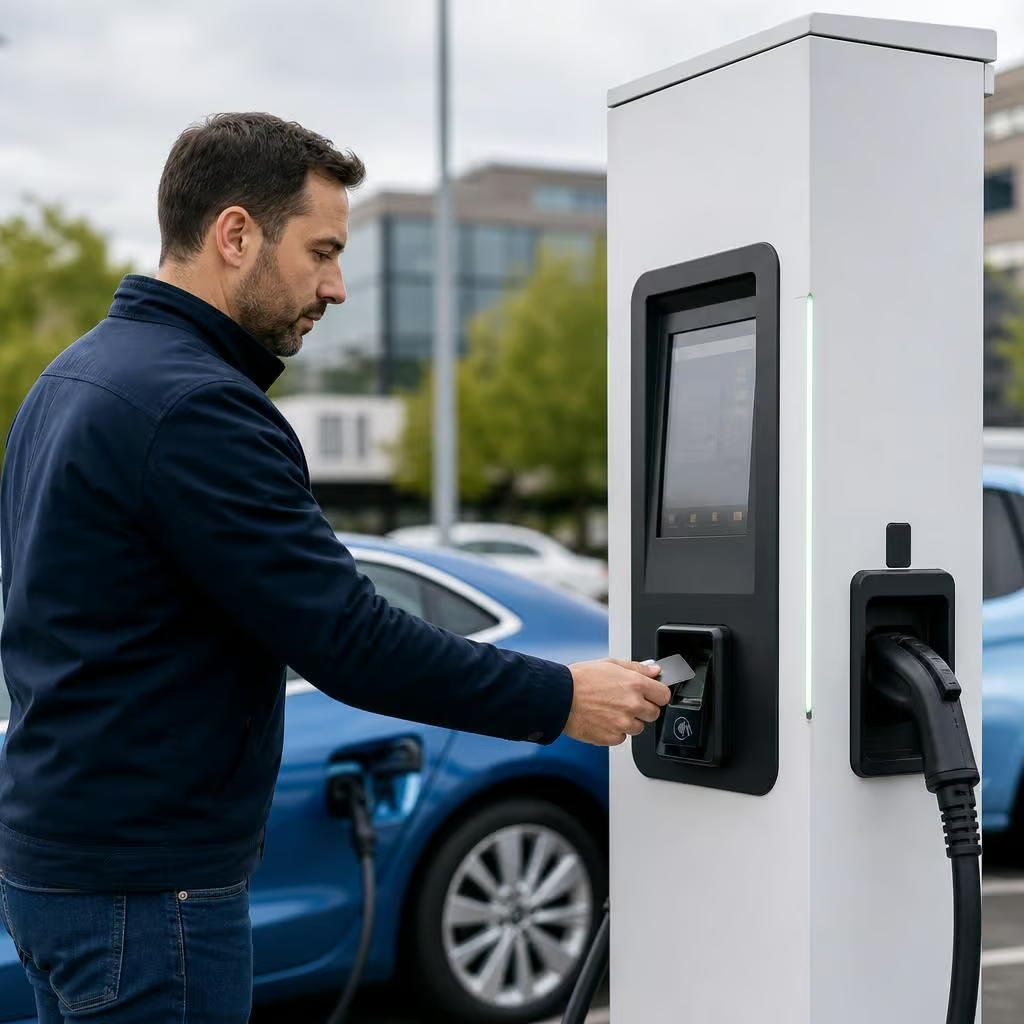
Does public EV charging cost more when you pay by contactless?
Paying by contactless does not automatically cost more, but the charging operator may set a higher tariff or add a transaction fee for contactless payments. Check the price shown on the charge point or operator’s app before plugging in, as the rate can vary between payment methods.
Contactless payment does not automatically make public EV charging more expensive. The cost depends on the tariff attached to that charger and the way the operator charges for a session. A contactless terminal may use the operator’s standard pay-as-you-go price, but it can also have a separate tariff from the operator’s app or membership scheme.
When you tap your card, the charger identifies the payment method and links it to the charging session. Some terminals take a temporary payment authorisation before charging starts. The final amount is then calculated when the session ends, so the first amount shown by your bank may not be the final charge. Your bank may also display the payment under the charging operator’s name rather than the location where you plugged in.
The tariff can include more than the electricity used. Before starting, check whether the price includes:
- a price per kilowatt-hour;
- a connection or session fee;
- a time-based charge while the vehicle is plugged in;
- an idle or overstay charge after charging finishes;
- a minimum payment or minimum charging amount; and
- a separate parking charge at the site.
A contactless terminal may not show every detail on the payment screen. The tariff board, charger display or operator’s website should explain how the price is calculated. Check the unit shown carefully: a price per kilowatt-hour is different from a charge per minute or per session.
App users sometimes pay a different amount because an app account has a membership rate, a promotional tariff or access through a roaming provider. That does not mean contactless is always more expensive. It means the payment method can affect which tariff applies. Compare the contactless price with the app price for the specific charger rather than relying on a general rule.
Payment by card can also create practical differences. You may not receive a detailed cost estimate until the session ends, while an app may show the running cost. A receipt or transaction record can help if the charger stops early, the vehicle does not begin charging or the final amount looks wrong. Keep the session details, including the charger reference and the time you unplugged.
To keep the cost under control, read the tariff before connecting, note any time limit and unplug when the charging session is complete. Do not assume that contactless covers the car park fee. If the site applies a separate parking system, that charge may need to be paid separately.
For regular journeys, compare the public charging price with the electricity cost of charging at home. A home EV charge point can make routine charging easier to plan, while public charging remains useful for longer trips and when the home charger is not available. The right comparison is the total cost for the journey, including any public charging time or parking charges, rather than the payment method alone.
If you’re comparing contactless with an app, compare completed charging sessions rather than the headline rate alone. Record the final payment and the energy added for each session.
Divide the total charge by the kilowatt-hours delivered. This gives you the effective cost of that visit, including any fixed fee. A fixed charge has more effect on a short top-up than on a longer charging session, so compare similar amounts of energy where possible.
That approach shows whether contactless is genuinely costing more at that charger, rather than assuming the payment method is responsible.