
How long does home automation controller installation take?
Home automation controller installation time depends on the controller, existing wiring, network setup and how many devices it must connect. We assess those details first, then allow time for installation, programming and testing so the system works as intended.
There is no fixed installation time. A straightforward controller replacement can often be completed in one visit, while a larger system with new wiring, several connected devices or network changes takes longer and may need work arranged in stages.
The main difference is whether the home already has compatible wiring and equipment. If the controller can use the existing connections, we can concentrate on fitting, configuration and commissioning. If cables, relays, sensors or control modules need adding, we first plan safe routes and access before fixing the equipment in place.
- Existing wiring: accessible, correctly identified wiring reduces preparation. Older installations may need testing, labelling or minor remedial work before the controller can be connected.
- Connected equipment: one heating or lighting circuit is quicker to set up than several zones, appliances, sensors and switches. Each device needs pairing and checking individually.
- Network access: the controller may need a stable connection to the home network. We allow time to confirm the connection, update the controller where appropriate and check that remote functions communicate properly.
- System compatibility: equipment from different generations does not always communicate in the same way. We check the existing controls and devices before installation rather than relying on assumptions.
- Access: a controller in a plant room, loft or cupboard can take longer to reach safely than equipment mounted beside an accessible consumer unit or heating control.
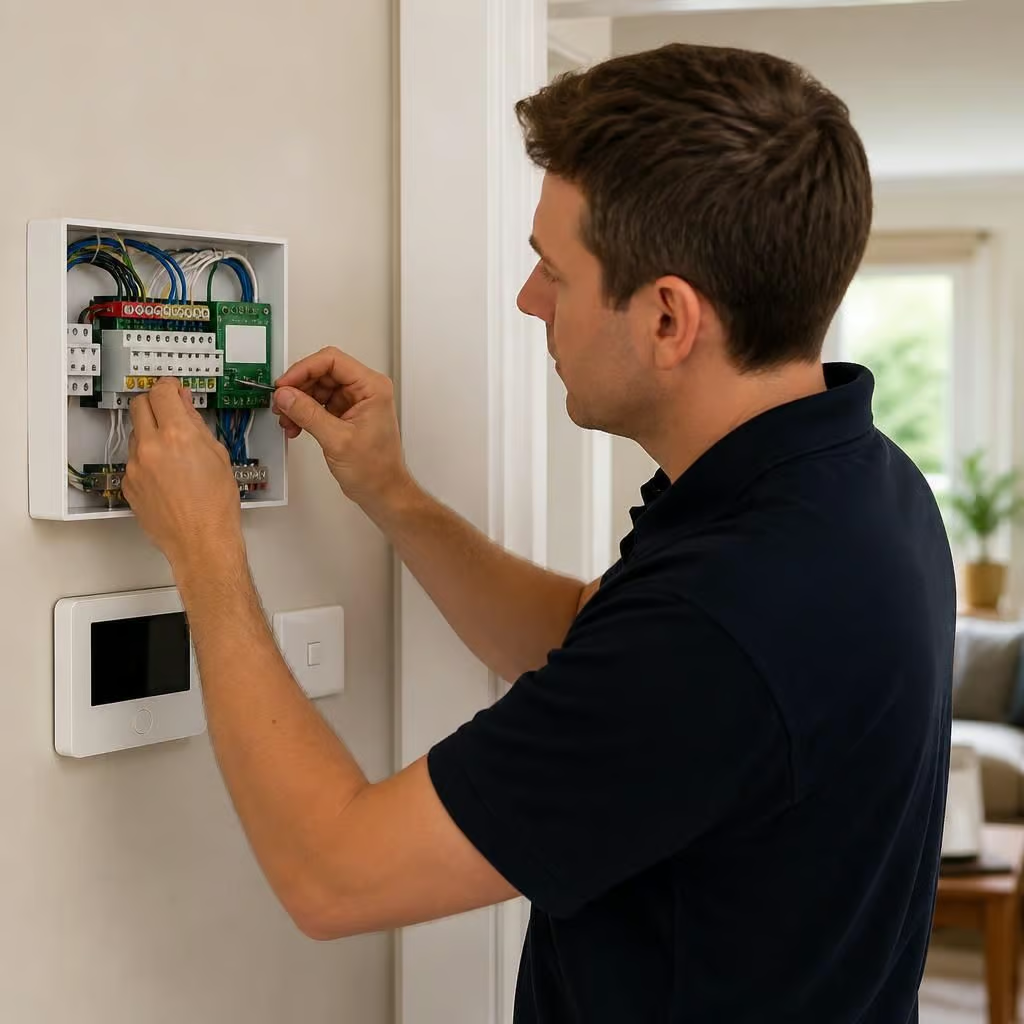
A controller replacement is usually less involved than a new automation installation. We identify the existing terminals, isolate the relevant circuit, remove the old control and connect the replacement. We then configure the settings and check that the connected equipment responds as intended.
New installations need more planning. If a wall switch, sensor or actuator needs wiring back to the controller, we agree the cable route and position first. Where possible, we keep cables concealed, but solid walls, finished surfaces and listed or older buildings can affect the practical route. We explain any additional work before starting it.
Several automated functions also add commissioning time. A heating system may include separate zones, thermostats and schedules. Lighting may include circuits, dimmers and occupancy sensors. We test each function rather than assuming that a successful connection means the whole system is working correctly.
During the visit, we check that controls operate locally and that connected functions behave correctly from the user interface. We look for issues such as a device responding to the wrong zone, a schedule overriding a manual setting or a sensor triggering an unintended action. Finding these points during commissioning prevents confusion after installation.
Your existing settings may also affect the time required. If an old controller stores schedules or device names, we record what matters before removing it and recreate the useful settings on the new system. Where the replacement works differently, we explain the change instead of copying a setting that no longer has the same effect.
Installation can take longer when the network signal is weak, the broadband equipment is difficult to access or another device is already using the required connection. We identify whether the issue relates to the controller, the home network or the connected equipment. Any work outside the controller installation is discussed separately.
Some projects are best split into an installation visit and a follow-up visit. This may be sensible when electrical alterations need completing first, when several rooms are involved or when equipment must be supplied separately. We set out the work and expected sequence in the quotation, so the timing does not depend on an assumption made on the day.
At the end, we show you how to use the controls, adjust the main settings and recognise a fault. We leave the system operating as agreed and provide the relevant information for the installed equipment. If the controller is connected to existing heating or electrical circuits, we also explain which functions remain manual if the controller or network is unavailable.
The most useful way to establish the installation time is to assess the controller, connected equipment, wiring and network before work starts. We can then separate fitting time from any preparation or remedial work, giving you a clear written quotation rather than an estimate based only on the controller model.
A little preparation can prevent avoidable delay on the day. Keep the broadband router accessible, have any required app account details ready, and note which rooms or devices the controller should operate. If the system replaces an existing controller, a list of important schedules or scenes helps us recreate the settings you actually use.
We’ll confirm what information we need before the visit. That means we can spend the appointment configuring and testing the system, rather than stopping to find equipment or clarify how each function should work.