Is your solar panel installer MCS certified?
Yes. Alderminster Group is MCS-certified for solar installations, so eligible systems can qualify for the Smart Export Guarantee. This certification also shows that the installation follows recognised standards for design, workmanship and documentation.
MCS certification matters because it shows that the installer works to recognised requirements for designing, installing and commissioning renewable energy systems. It also gives you a practical way to check who is responsible for the work before you agree to it.
Check the installer on the official MCS directory rather than relying on a logo in an advert. The listing should cover the technology being proposed, such as solar photovoltaic panels or battery storage. Ask to see confirmation that the certification is current and applies to the installation work you need.
MCS certification does not mean every solar system will perform well in every property. It does not remove the need for a proper survey, and it is not a guarantee of a particular saving. The design still needs to suit your roof, electricity use and budget.
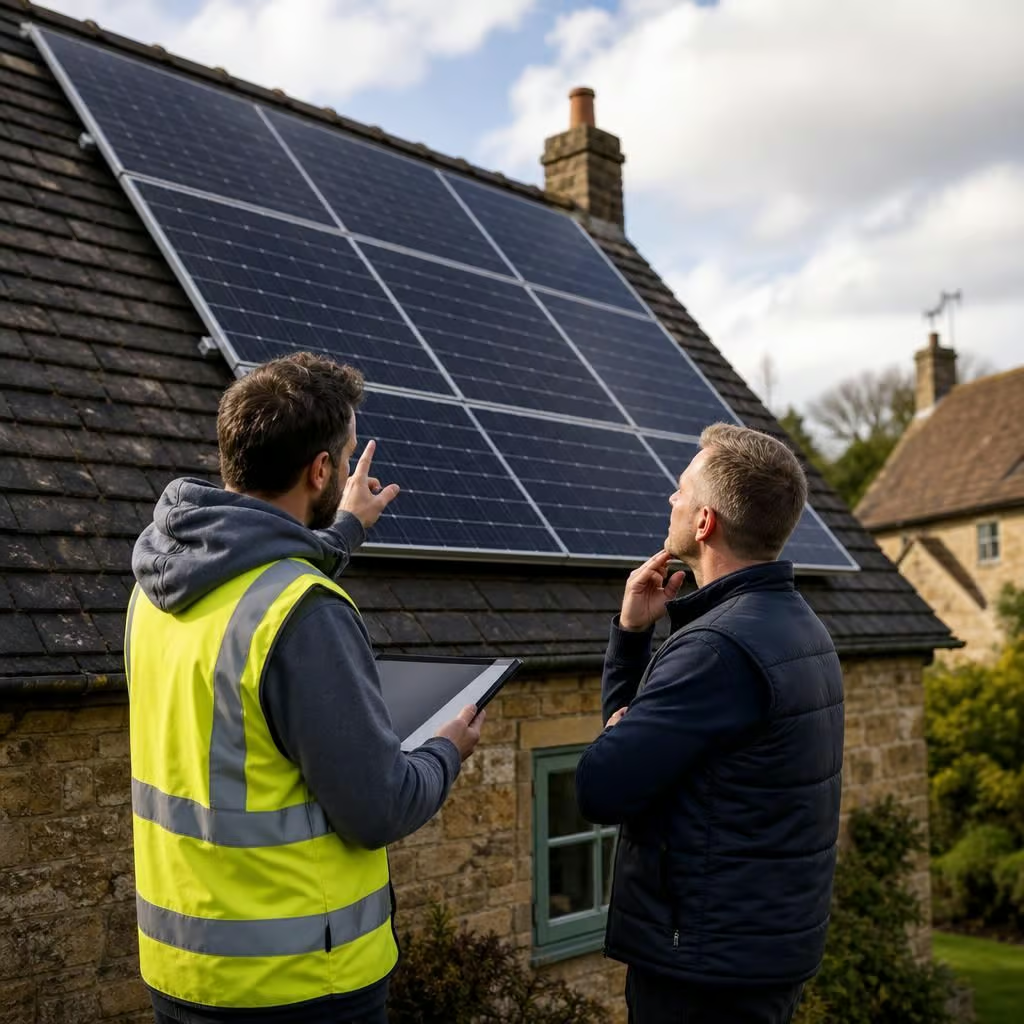
Your roof may have shading from trees, chimneys or nearby buildings, so we assess how that affects the panel layout. Older roofs may also need a closer look at their condition, structure and access before panels are fitted. On a listed building or a property in a sensitive location, planning restrictions can affect the design.
Your existing electrical installation matters too. We check the consumer unit, cable routes, earthing and the proposed connection for the panels and battery. If the system needs electrical work before installation, we explain that in the quotation rather than leaving it as an unexpected extra.
The design should show what equipment is being proposed, where it will go and how it will connect to the property. It should also account for battery operation if storage is included. Ask how the system will work when the battery is full, when the panels are producing little energy and during a power cut. A standard grid-connected system will not necessarily keep the house powered during an outage.
Before work starts, we provide a written quotation describing the equipment, installation work and any changes needed to the property. This gives you something concrete to compare. Be cautious if a quote only gives a panel count and a headline output without explaining the roof layout, inverter, battery, cable route or access requirements.
After the installation, commissioning checks confirm that the system is operating correctly and safely. You should receive the relevant system information, manuals and paperwork, including the MCS certificate where the installation qualifies. Keep these documents with the electrical and warranty records for the property.
MCS certification is particularly useful when you are considering a grant or an export arrangement, because the installer and installation must meet the scheme’s current rules. We check the requirements that apply at the time rather than assuming that every solar or battery project qualifies. Eligibility can depend on the system design, the property and the scheme conditions.
It is also worth checking who will carry out the work. Our solar and battery installations are handled by directly employed engineers rather than passed to an unknown subcontractor. That means the survey, electrical work, installation and commissioning stay with the same team.
A good installer should be willing to tell you when solar is not a sensible choice. Limited roof space, heavy shading, structural concerns or an electricity use pattern that does not suit the proposed system may change the recommendation. The right design may be smaller than you first expected, or battery storage may not be justified for your household.
- Check the installer on the MCS directory.
- Confirm that the listing covers the technology being installed.
- Ask for a roof and electrical survey before accepting a design.
- Make sure shading, access, cable routes and any remedial work appear in the quotation.
- Ask what commissioning records and certificates you will receive.
- Check how the installer will deal with grant or export requirements that apply to your project.
MCS certification is an important check, but it should sit alongside a clear design, a written quotation and an explanation of how the system will operate in your home. That combination gives you a much better basis for comparing installers than accreditation alone.
MCS certification applies to the installer’s competence and working process, not to every panel, inverter or battery on the market. It also doesn’t mean that a particular roof will produce the output shown in a sales estimate. The design still needs to match the equipment, roof orientation, shading and the way your household uses electricity.
Ask us to explain which parts of the proposed system fall within our MCS scope. That includes the panel array and any battery storage, rather than assuming that certification for one technology covers another. You should know exactly what has been assessed before you compare quotations.