
How does roof condition affect commercial solar panel cost?
Roof condition can increase commercial solar panel cost if the roof needs repairs, strengthening or replacement before installation. We assess its age, structure, covering and access first, so the quotation includes any necessary roof work rather than leaving it as an unexpected extra.
Roof condition affects commercial solar panel cost mainly through the work needed to provide a safe, durable fixing surface. The panels and inverter may cost the same, but the installation method, preparation and access can change significantly from one building to another.
A roof that is suitable for solar does not need to be new. It does need to be stable, weatherproof and capable of accepting the proposed fixing system. If the roof is nearing the end of its serviceable life, installing panels before planned roofing work may create extra cost later. Coordinating the two projects can avoid paying for separate access, electrical work or alterations twice.
The roof covering affects the type of mounting equipment we can use. Profiled metal sheets, fibre cement, tiles and membrane-covered flat roofs each need different fixings. Some coverings allow direct attachment to the roof structure. Others need a mounting frame, protective layers or a non-penetrating system. The fixing choice affects both materials and installation time.
Older commercial buildings need particular care. A roof may contain brittle sheets, concealed corrosion, previous patch repairs or areas that cannot safely carry foot traffic. On buildings with asbestos-containing materials, the survey must identify the restriction before the solar design is finalised. We do not treat a fragile or hazardous covering as an ordinary installation surface.
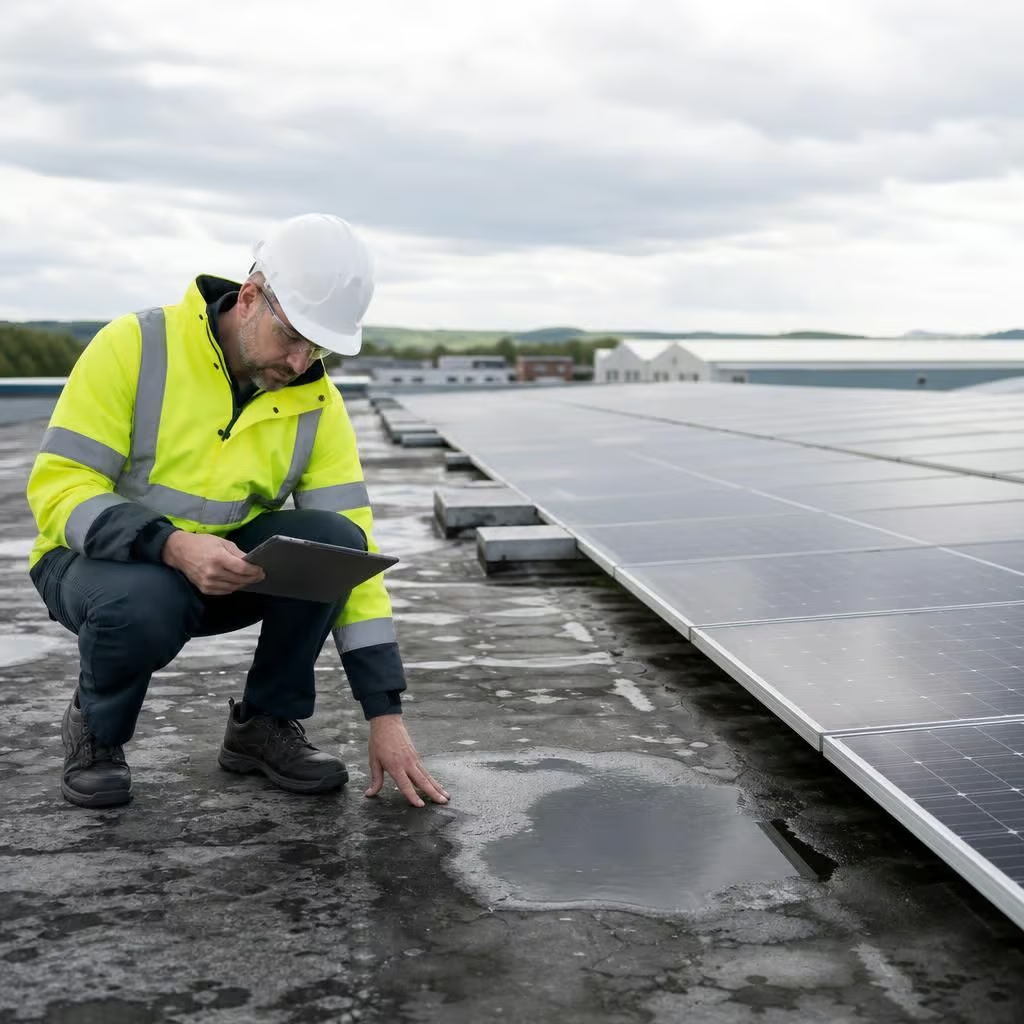
Flat roofs can add cost in a different way. The panels may sit on an angled frame rather than follow the roof itself. We consider the frame, wind loading, ballast or fixings, drainage routes and access around roof outlets. A layout that uses more mounting material or leaves wider maintenance routes can cost more than a simple pitched-roof arrangement.
The roof structure matters as well as the visible covering. Older buildings, agricultural units and buildings with large spans may need additional information about the rafters, purlins or trusses. Where the available information does not establish the load capacity, a structural assessment may be needed before we can confirm the design. That requirement should appear clearly as part of the project budget rather than emerging during installation.
Access can be a substantial part of the roof-related cost. A tall warehouse, restricted yard, occupied premises or site with limited vehicle access may need different lifting equipment and working arrangements. We look at how materials reach the roof, where equipment can be positioned and how the work can be separated from staff, customers and deliveries.
Roof condition can also change the number of working days without changing the panel specification. Delicate coverings require slower handling and carefully planned walkways. A complex roof may need more time for setting out, sealing penetrations and checking that the finished system does not obstruct gutters, rooflights or maintenance areas.
During the survey, we record the roof covering, visible defects, roof shape, access arrangements and the proposed panel areas. We use that information to separate the solar installation from any roofing or structural work that sits outside it. If a concern cannot be confirmed from a visual inspection, we explain what further investigation is needed.
Your quotation should therefore show more than a single solar figure. It should identify the panel and electrical installation, the mounting approach, access requirements and any assumptions about the roof. It should also state what happens if a concealed defect is found after work begins. We provide the quotation before work starts, so you can compare the full project cost rather than the panel price alone.
For a commercial property, the sensible comparison is the cost of a suitable installation against the condition and remaining life of the roof. A cheaper fixing method is not useful if it damages the covering, restricts future maintenance or requires the system to be redesigned. A survey-led design gives you a clearer budget and shows which roof work is essential, advisable or outside the solar project.
If the roof is still under warranty, the solar fixing method may be restricted. Some warranties require approved penetrations, additional sealing details or inspection by the roofing contractor. We check the available roof records before finalising the design, so any extra approval or coordination is included in the project plan.
This can affect the cost even when the roof looks sound. A compliant mounting method may take longer or require different materials than a standard installation. Finding that out before work starts helps prevent a change to the design after panels, lifting equipment and installers have been booked.