
What maintenance do home solar panels need?
Home solar panels need little routine maintenance because they have no moving parts. Check the panels and inverter for visible damage, shading or fault messages, keep the system clear of heavy dirt and debris, and arrange a professional inspection if performance changes or a fault appears.
Home solar panels generally need very little routine maintenance. The main work is keeping the system’s electrical equipment accessible, checking it after severe weather and arranging a professional inspection when something changes.
Solar panels have no mechanical parts to lubricate or service. The inverter, isolators, cabling, roof fixings and battery, if fitted, need more attention than the panels themselves. We can assess the whole installation rather than treating the panels in isolation.
What you can check safely from the ground
- Look for cracked glass, displaced panels, hanging cables or new gaps around the mounting points.
- Check that leaves, branches and bird nesting material have not collected against the panels or equipment.
- Notice any new warning lights, error messages or unusual sounds from the inverter.
- Check the area around the inverter and battery remains dry, ventilated and free from stored items.
- After strong winds, hail or falling branches, arrange an inspection if anything appears damaged.
Do not climb onto the roof to carry out these checks. Panels can remain electrically live in daylight, even when the inverter is switched off. Do not open the inverter, remove covers or handle damaged cabling. A burning smell, melted plastic, water ingress or exposed wiring needs professional attention.
Does solar panel cleaning form part of maintenance?
Rain removes much of the ordinary dust from panels, so cleaning is not automatically needed each year. Dirt can build up more noticeably on a shallow roof, beneath trees, near farmland or where birds regularly perch. Thick deposits and bird mess may justify cleaning, but a dirty panel is not a reason to risk a fall.
Pressure washing can damage seals and connections. Abrasive tools can mark the glass. A professional cleaner should use suitable equipment and avoid walking on the panels. We can advise whether cleaning is likely to make a practical difference during an inspection.
What happens during a professional solar inspection?
When a service is needed, we start with the system history and any changes in performance. We then inspect the panel surfaces, roof fixings, cable routes, isolators and inverter. The checks also cover signs of overheating, corrosion, water entry and loosened connections.
For systems with battery storage, we include the battery, its cables, ventilation and control equipment. We check the inverter display and recorded fault information where the equipment allows it. This helps separate a panel problem from an inverter, connection or battery issue.
Electrical testing may be appropriate if the installation has developed a fault, suffered damage or undergone changes. Our NICEIC-registered electricians can investigate the wiring and protective equipment, then explain any remedial work before it starts. We provide a written quotation where repair work is needed, so the decision does not depend on an unexpected charge at the end.
When should a solar system be checked?
Manufacturer guidance, the roof environment and the age of the installation all affect the sensible maintenance plan. A system beneath trees or on a working rural property may need closer observation than one on an unobstructed roof. An inspection is also sensible after storm damage, roof work, scaffolding or alterations near the panels.
Older installations may have different isolators, cable routes or inverter arrangements from current systems. We can trace the installation, identify the equipment and explain what needs attention without assuming that a replacement is necessary. If a component has failed, we confirm the cause before recommending a change.
Keep the installation records, electrical certificates, inverter information and any battery paperwork with the property documents. They help an engineer diagnose a fault and provide useful evidence if the roof or electrical system is later altered.
Our renewable energy work is carried out by MCS-certified installers. That certification relates mainly to the original installation and its documentation, including eligibility for the Smart Export Guarantee, rather than creating a requirement for frequent servicing. For maintenance, the important point is that we can assess the panels, generation equipment and associated electrical work as one system.
If the system shows a fault, has suffered physical damage or produces an unexpected change in output, switch off only the equipment you can operate safely and contact a qualified installer. Do not attempt roof access or electrical repairs yourself.
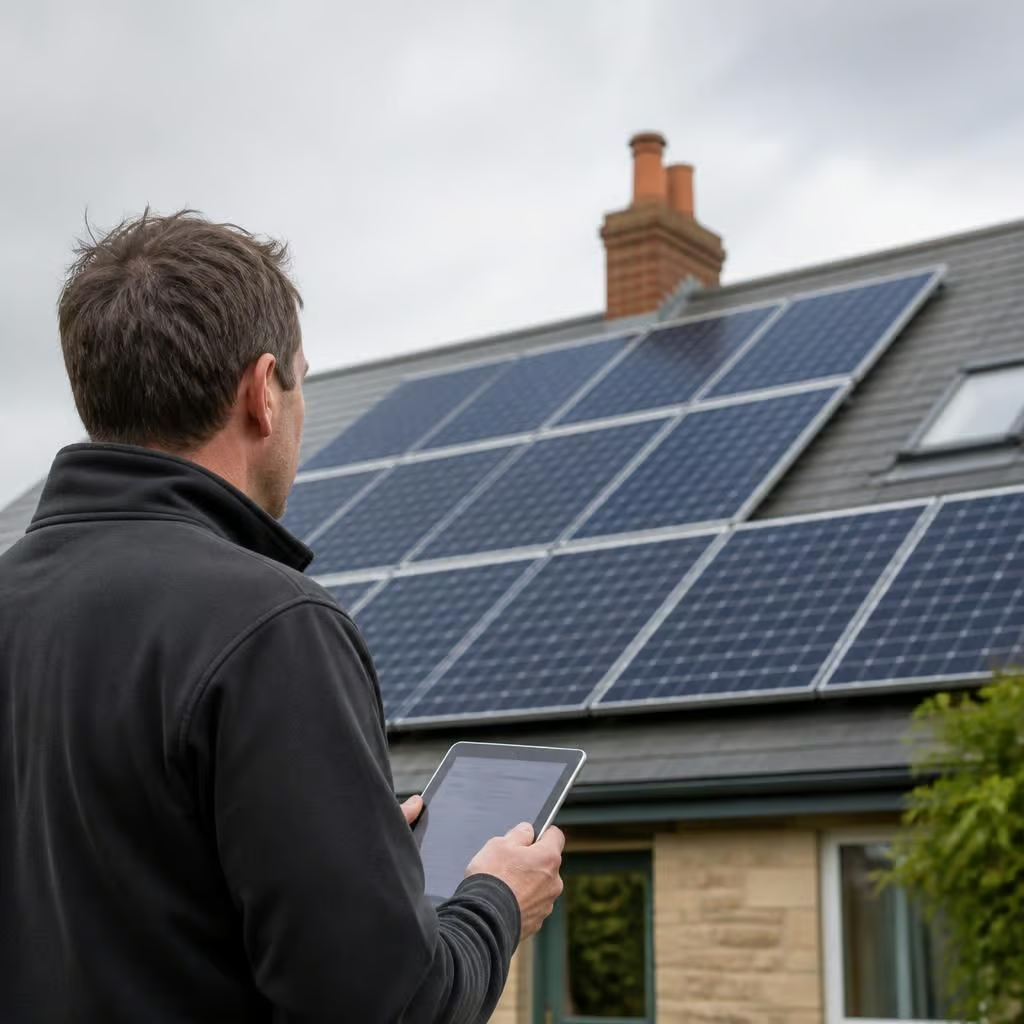
A lower reading on one cloudy day doesn’t usually mean the panels need attention. Generation changes with daylight, weather and seasonal shading, so compare similar periods rather than reacting to one figure.
If the output stays below its usual pattern in comparable conditions, note when the change began and check the inverter display or monitoring app for a fault message. That information helps us identify whether the cause is shading, the inverter, a connection or the panels themselves, so the inspection starts in the right place.