
What should I expect during a renewable energy survey?
Your home, existing heating and electricity use all affect which renewable system will work well, so we inspect the relevant parts of the property and discuss how you use energy. We then explain suitable options, any changes the installation may need, and recommend an approach based on the property rather than a standard package.
A renewable energy survey is a practical assessment of the property, your energy use and the work needed to install suitable equipment. It ends with a clear recommendation and a written quotation, rather than a standard package chosen from a brochure.
Before the visit, it helps to have recent electricity bills available. If you are considering a heat pump, information about your current heating system is useful too, including the boiler type, fuel used, hot water cylinder and any rooms that already feel difficult to heat. Plans, renovation details and listed-building restrictions can also affect the recommendation.
We start by discussing what you want the system to do. You may be trying to reduce reliance on oil or LPG, use more of your own solar electricity, charge an electric vehicle, or replace an ageing heating system. Your priorities affect the design. A battery sized for evening electricity use is different from one intended to support an EV charger or a heat pump.
For solar panels, we examine the available roof areas, orientation, pitch, shading and access. Trees, chimneys and nearby buildings can affect generation at different times of day. We also look at the roof covering and its condition. If the roof needs substantial work, dealing with that first may prevent panels having to be removed later.
Your electrical installation determines how solar, battery storage and an EV charger can connect safely. We inspect the consumer unit, earthing, meter position, available cable routes and the location proposed for the inverter or battery. An older consumer unit or restricted cable route may need upgrading before the renewable equipment is fitted. We explain that requirement and include it in the quotation rather than leaving it as an unexpected extra.
A battery survey focuses on how electricity moves through the property. We consider daytime generation, evening demand, the location of the equipment and the space available for maintenance. The aim is to recommend storage that reflects the way you use energy, not simply the largest battery that will fit.
For an air source heat pump, the survey is more detailed because the heating system has to work at lower water temperatures than many boilers. We assess the rooms, insulation, windows, radiators, pipework and hot water arrangements. We use this information to work out the heat loss from the property and the heat pump capacity required.
An older solid-wall house, barn conversion or listed property may need a different approach from a modern home. Large radiators, pipework changes, insulation improvements or a new hot water cylinder may form part of the plan. If the property would need work that makes the installation unsuitable or disproportionate, we explain that before you commit to anything.
The outdoor unit also needs a sensible position. We consider the space available, the route for pipework and electrics, access for installation and the relationship with windows and neighbouring properties. We discuss noise, drainage and planning considerations as part of the design. The indoor equipment needs its own space, particularly where a cylinder, buffer vessel or upgraded controls are required.
We also consider how the proposed equipment will work alongside existing systems. You may want to retain a boiler for occasional use, replace oil heating completely, add a battery to existing solar panels or coordinate an EV charger with solar generation. The survey identifies the control and connection requirements before installation begins.
Some checks involve information beyond the property itself. The proposed electrical equipment may need approval from the local network operator, depending on the design and connection. We explain any necessary application and make clear which parts of the process we handle.
The survey itself should not involve installation work. We need access to the relevant rooms, roof or external areas, electrical equipment and heating components, so the visit may involve checking cupboards, loft access points and plant areas. You can point out rooms that overheat or stay cold, and explain when the property is occupied. That information can change the recommendation.
After the visit, we compare the practical options for the property. The recommendation sets out the proposed equipment, its position, required electrical or heating alterations, likely installation stages and any matters that need resolving first. We also explain what the system can and cannot do, including how it will operate with your existing controls and tariff.
Financial estimates should be based on your property rather than a headline saving. We can discuss likely generation, electricity use, battery behaviour and heating demand, then show how those factors affect the expected running costs. Payback depends on the design and how you use the system, so we do not treat a general figure as a promise.
For eligible heat pump installations, our MCS certification means we can make a Boiler Upgrade Scheme grant application on your behalf. MCS certification also makes an eligible solar or battery installation suitable for the Smart Export Guarantee. Grant rules and export tariffs can change, so we confirm the position when preparing the quotation.
You receive the recommendation and quotation in writing before work starts. It should identify the equipment, preparation, electrical and heating alterations, paperwork and any exclusions. If the survey finds that a proposed system is not suitable, we explain why and identify a more practical route where one exists.
For a home with older wiring, oil or LPG heating, unusual construction or limited roof space, the value of the survey is in finding those constraints early. The result is a design based on the property you own and the way you use it, with the preparation understood before installation is planned.
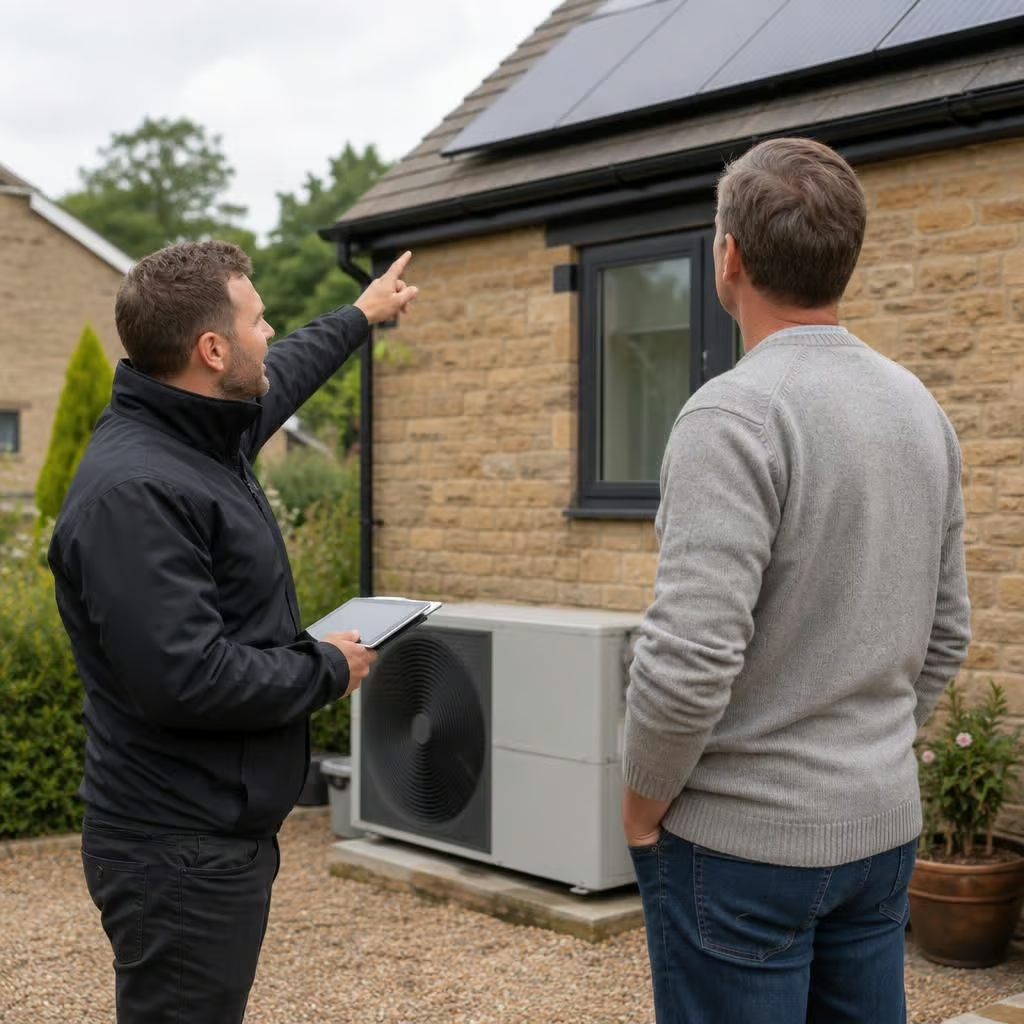
Use the survey to test the recommendation, not just confirm the equipment list. Ask which parts of the design depend on assumptions about your energy use, what must be upgraded first and what could be left unchanged. You should also understand where the equipment will go, how the controls will work and what disruption the installation involves.
If the proposal relies on a grant, export payment or particular tariff, ask which rules apply and what happens if they change. A clear survey gives you enough information to compare the recommendation with other options before you decide.