
How is a leaking sensor repaired on a heat pump?
A leaking heat pump sensor is usually repaired by isolating the circuit, removing the faulty sensor or seal, and fitting a correctly sized replacement before refilling and testing the system. If the leak comes from the sensor housing, pipe connection or refrigerant circuit, a qualified heating engineer should identify the source before carrying out the repair.
A leaking heat pump sensor is usually repaired by replacing a failed seal, sensor fitting or sensor itself, rather than replacing the heat pump. The correct repair depends on which sensor is leaking and where the water is coming from.
Most sensors sit within the heating water circuit. They measure temperature, flow or pressure so the controls can run the heat pump safely. A temperature sensor may sit inside a pocket in the pipework, while a pressure or flow sensor can have water passing directly around its internal components. A worn O-ring, damaged thread, loose connection or corroded sensor body can allow water to escape.
The visible drip does not always identify the failed part. Water can travel along a pipe or cable before it reaches the floor. A leak that appears to come from a sensor may actually start at a nearby valve, automatic air vent, pump connection or section of pipework. We dry the area, trace the highest wet point and check the surrounding components before recommending a part.
Some common signs point towards a leaking sensor or sensor connection:
- Water collecting beneath the indoor hydraulic unit.
- Repeated loss of pressure in a sealed heating circuit.
- A heat pump that stops with a low-flow or low-pressure fault.
- Dampness around a temperature probe pocket or pressure sensor body.
- Corrosion or staining around a threaded sensor connection.
- A small leak that becomes more noticeable when the heating circuit warms up.
If the sensor is part of a sealed circuit, the engineer first makes the system safe and prevents further water loss during the repair. We then remove the failed sensor or fitting without damaging the surrounding pipework. Depending on the fault, the repair may involve a new sensor, a replacement seal, a new pocket or a short section of pipework.
A sensor that has been overtightened can damage its thread or the fitting holding it. A sensor that has been left in place while the system has suffered corrosion may come out with the fitting attached. In that situation, forcing the part can create a larger leak. We assess the condition of the surrounding connection before deciding whether a simple component change is suitable.
After the physical repair, the heating circuit may need water added and the air removed. The system pressure is brought back to the level specified for that installation. We then run the heat pump through a heating cycle and check the sensor readings, circulation, pressure and nearby joints. This matters because a sensor can stop leaking while a trapped air pocket or poor circulation leaves the original fault unresolved.
A temperature sensor itself is not always the source of the water. On some systems, the probe is dry and sits in a pocket. The leak may instead be from the pocket’s seal or from the pipework around it. Replacing the electronic probe alone would not stop that leak, so we identify the water-bearing part first.
Water around the outdoor unit needs a different assessment. Defrost water, a blocked drain or condensation can look like a component leak, particularly in cold weather. Refrigerant pipework also needs separate treatment from the water circuit. We do not treat every damp patch as a failed sensor.
A leaking sensor should not be ignored. Continued water loss can reduce circulation, cause repeated shutdowns and leave electrical components exposed to moisture. If the system is losing pressure or water is reaching wiring, switch the heat pump off using the normal controls if it is safe to do so. Do not remove the casing or loosen the sensor yourself, because pressure, hot water and electrical connections may be present.
The repair does not normally require a whole-system replacement when the heat pump, controls and heat emitters remain in sound condition. We explain if the sensor is a separate repairable component, if the surrounding fitting also needs attention, or if corrosion makes a larger section of pipework necessary. You receive the repair options and quotation before work starts, so the decision is based on the actual condition of the system.
Older properties can present extra causes of sensor leaks. Sludge, scale, debris and previous alterations may affect the water circuit, especially where older radiators and newer heat pump equipment share the same system. The immediate leak still needs repairing, but we also check whether contamination or poor water quality could damage the replacement part. That helps reduce the chance of the same fault returning elsewhere.
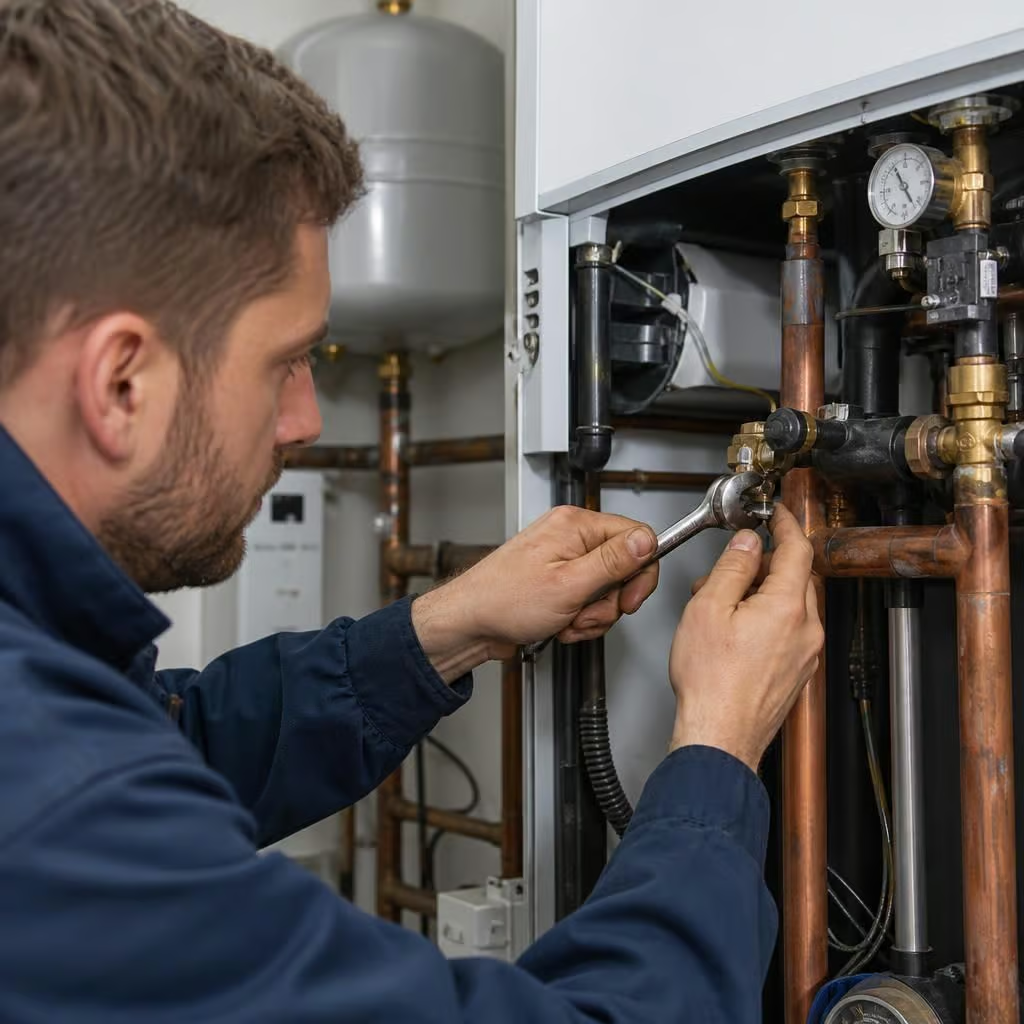
A leaking sensor connection shouldn’t be covered with external sealant. That may hide the drip while water continues through a damaged seal, thread or sensor body.
We remove the water-bearing component, inspect the mating surfaces and fit the correct replacement part or seal. If corrosion has damaged the fitting, we replace that section rather than forcing a new sensor into it. This leaves the leak repaired at its source, not masked around the outside.