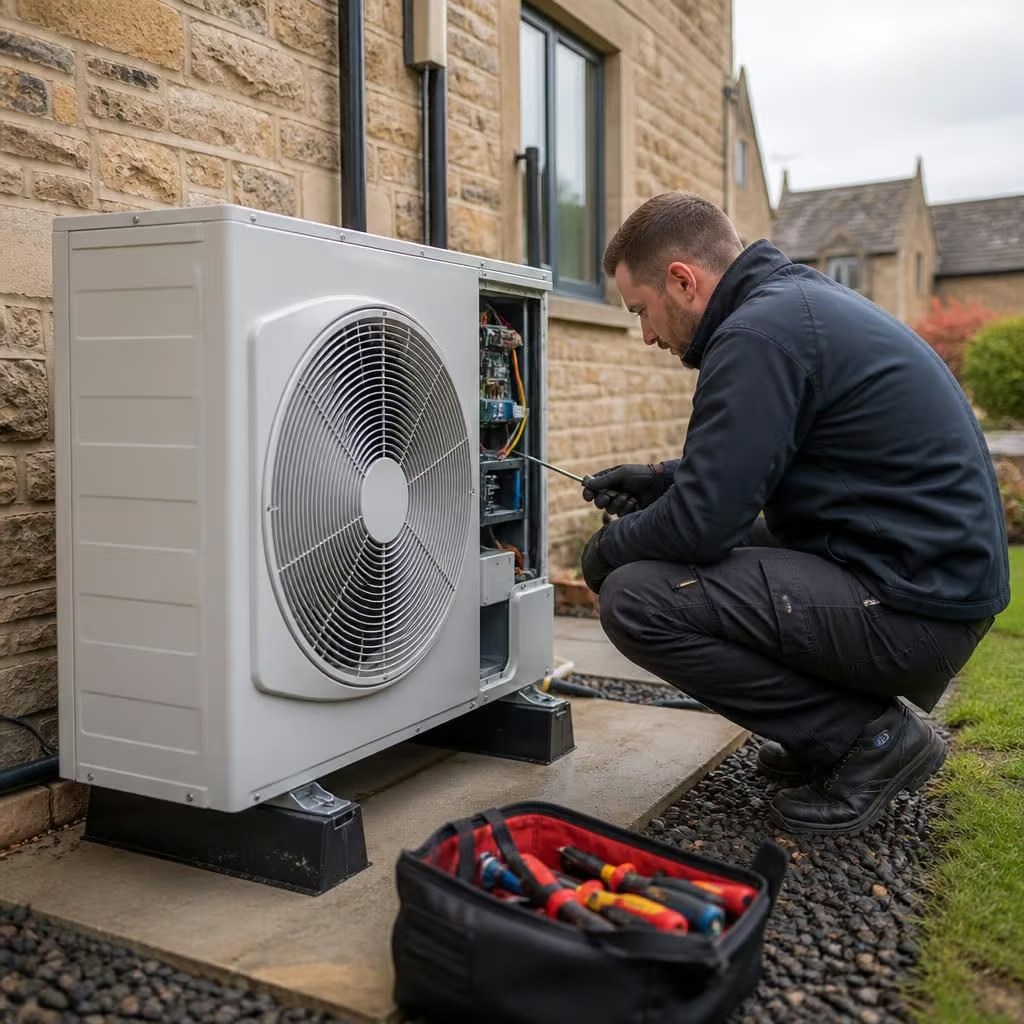
What affects the cost of replacing an air source heat pump?
Replacing an air source heat pump usually depends on the system size, the condition of the existing unit, and how much of the pipework, radiators, controls and electrics can be reused. Access, removal of the old equipment, any efficiency upgrades and eligibility for grant funding can also change the final quotation.
The main cost drivers are the heat demand of the property, the amount of usable equipment being retained and the work needed to correct or upgrade the existing installation. A straightforward replacement can cost less than a redesign, but a like-for-like change is not always the right choice if the original system was poorly sized or the home has changed.
The existing installation
Your current system may be suitable for reuse, or it may reveal why the heat pump has struggled. We inspect the outdoor unit, cylinder, controls, valves, filters and electrical protection. We also look for signs of poor commissioning, restricted water flow, leaks or inadequate insulation around pipework.
If the cylinder, circulation pump or controls remain in good condition, retaining them can reduce the equipment and labour cost. If they are worn, incompatible or inefficient, replacing them at the same time can prevent another disruption later. We explain which parts genuinely need changing rather than automatically pricing a complete new system.
Heat loss and system size
The replacement unit needs to match the heat loss of the building, not simply the output of the old heat pump. We consider the rooms, insulation, windows, floor area and the lowest outdoor temperatures the system must handle.
An oversized unit can cost more without improving comfort. An undersized unit may rely too heavily on supplementary heating and struggle to maintain the temperature. The correct size affects the purchase price, electrical requirements and likely operating pattern, so the design stage has a direct bearing on the final cost.
Radiators, underfloor heating and pipework
Your existing emitters may work well with a replacement heat pump, particularly if the system was designed correctly. Some rooms may need larger radiators if they cannot deliver enough heat at the lower flow temperatures used by a heat pump.
We check radiator outputs, pipe sizes, valves and flow rates. A few targeted changes may be enough. A wider upgrade can cost more because it involves draining the system, moving pipework, repairing wall finishes and balancing the heating afterwards. Underfloor heating may need different controls or circuit adjustments rather than wholesale replacement.
The hot water cylinder and controls
A replacement heat pump often works with a separate hot water cylinder. The cylinder must provide enough stored hot water and allow the heat pump to operate efficiently. If the existing cylinder has a small coil, poor insulation or limited capacity, a compatible replacement may be included in the quotation.
Controls also affect the cost. A basic replacement may use existing thermostats and programmers if they are compatible. A redesign may need new room controls, weather compensation or improved zoning. These changes can make the system easier to operate, but they should be selected for the way the home is heated rather than added without explanation.
Electrical work
The outdoor unit, immersion heater and associated components need suitable electrical protection. Your existing consumer unit and cabling may be adequate, but we check this rather than assuming it is.
If the installation needs a new circuit, isolator, protective device or consumer unit work, the electrical element increases the total. Long cable routes can also add labour and materials. Where solar panels, a battery or an EV charger already share the electrical supply, we consider how the replacement heat pump will operate alongside them.
Removing the old equipment
Removal is more than disconnecting the outdoor unit. We may need to recover refrigerant, drain heating and hot water circuits, remove redundant brackets or pipework, and take equipment away for appropriate disposal.
The cost depends on what is being removed and how easily it can be reached. A unit fixed to a high wall, positioned behind a narrow gate or installed in a difficult plant room can require more labour than one on an accessible ground-level base. We identify these issues during the assessment so they appear in the written quotation.
Access and the building itself
Your property can affect labour even when the replacement equipment is similar. Long pipe runs, thick walls, restricted plant-room access and concealed services all take time to work around. Older houses, barn conversions and solid-wall properties may need careful routing to protect the building and minimise visible alterations.
If the outdoor unit needs a new base, revised position or altered discharge route, that work forms part of the replacement cost. We also check whether the proposed location remains suitable for airflow, maintenance access, noise and condensate drainage.
Efficiency improvements and remedial work
A replacement can be an opportunity to resolve faults in the original design. Examples include improving insulation on external pipework, correcting poor drainage, replacing unsuitable valves or balancing the heating system.
These items may not be essential to make the unit run, but leaving them unresolved can affect comfort, reliability or energy use. We separate necessary remedial work from optional improvements, so you can see what each part contributes before deciding.
Planning and grant considerations
Planning requirements depend on the property, the proposed position and any restrictions affecting it. Listed buildings and properties in designated areas may need additional consideration. If a change of position or external appearance is proposed, we discuss the practical implications before work starts.
A grant is not automatically available simply because a heat pump is being replaced. The Boiler Upgrade Scheme and other support arrangements have eligibility rules that can change, and replacing an existing heat pump will not always meet them. Where an installation is eligible, our MCS certification allows us to make a Boiler Upgrade Scheme application on your behalf. It also means the installation can qualify for the Smart Export Guarantee where the relevant solar or battery requirements are met. We check the current position rather than deducting an assumed grant from the quotation.
What a useful quotation should show
A proper replacement quotation should distinguish the heat pump from the cylinder, controls, electrical work, pipework, removal and commissioning. It should also state what happens to equipment that is being retained and identify any work that depends on a further investigation.
We assess the existing system and the property before pricing the work. You receive a written quotation before anything starts, with the proposed equipment, scope and any exclusions set out clearly. That gives you a basis for comparing quotations beyond the headline equipment price.
Looking beyond the installation price
The cheapest replacement is not necessarily the least expensive choice over its working life. A system that is correctly sized, properly commissioned and matched to the radiators and controls may avoid later remedial work and operate more effectively.
We can discuss likely running costs using the home’s heat demand, electricity tariff and planned settings. Those figures depend on the property and how the system is used, so we do not present a generic saving or payback period as a reliable answer.
If the old heat pump failed because of a specific fault, we explain whether replacement is justified or whether repair remains practical. If replacement is the better route, the quotation shows which costs relate to restoring heating and which relate to improving the system for the years ahead.
A low replacement price can change if the failed unit has caused hidden damage. Water from a leaking circuit may have affected insulation, flooring or nearby electrical equipment. A failed pump can also leave sludge or debris in the system. We check these points before work starts and explain any additional repair separately, so you can see what restores the heating system and what protects the new equipment.