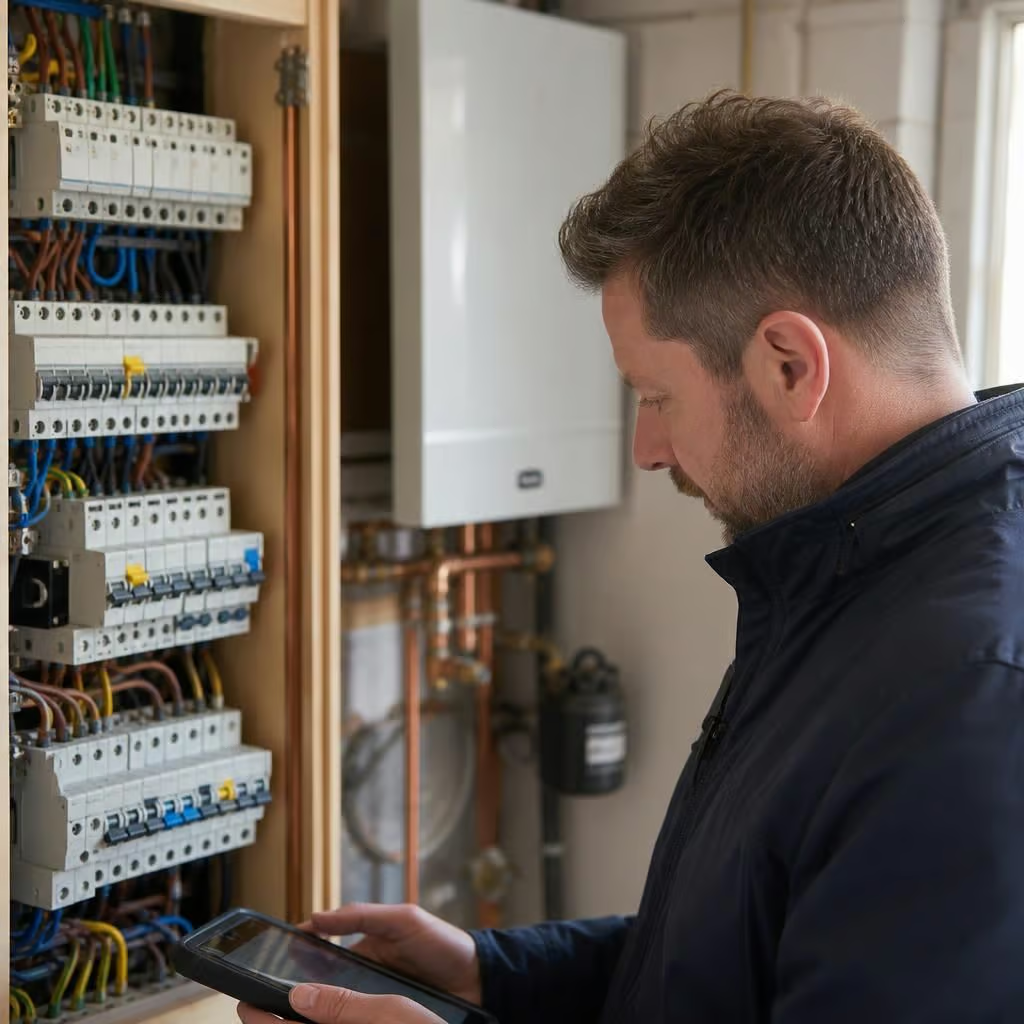
What electrical supply does an electric heating system need?
An electric heating system normally needs a dedicated circuit, with enough capacity in the consumer unit and incoming supply for its maximum demand. We check the supply, protective devices, cabling and earthing before confirming whether an upgrade is needed.
The supply must be sized for the heating system’s maximum electrical load, not its average consumption. An electric boiler, heat pump, storage heater system or multiple panel heaters can each place different demands on the property’s wiring and incoming supply.
An electric boiler uses electricity directly to heat water. Its demand is usually much higher than that of a single lighting or socket circuit, particularly when it is heating the home and hot water at the same time. A heat pump uses electricity to run its compressor, controls and pumps, and may also use an immersion heater during certain operating conditions. We size the supply around the equipment’s stated electrical input and the way the system will operate.
Panel heaters and infrared heaters are smaller individually, but several units can add up across a house. A group of heaters cannot simply be connected to existing socket outlets and extension leads. We plan fixed circuits, switching and controls so the load is distributed safely and the heating can be operated as intended.
Your incoming supply may be single-phase, as in most homes, or three-phase. Single-phase power is often suitable, but the available capacity depends on the service head, meter tails, main fuse and the other equipment already connected. A large electric boiler or several high-output heaters may need more capacity than the existing supply can provide.
If the supply cannot support the proposed load, we identify that before work starts. This may mean changing the consumer unit, replacing undersized cabling, improving the earthing and bonding, or asking the electricity network operator to assess a supply upgrade. A larger consumer unit alone does not create more capacity at the property.
Older homes need particular care because the electrical installation may have been extended in stages. Your consumer unit may have limited spare ways, older protective devices or wiring that is unsuitable for a new high-load circuit. We inspect the relevant parts of the installation and explain any remedial work needed before the heating goes in.
Protection must match both the equipment and the circuit. We select the correct cable size, circuit breaker and additional protection, then check connections, polarity, insulation and earthing. The equipment also needs an accessible means of isolation for servicing or in an emergency.
A smart meter or an off-peak tariff does not, by itself, make the electrical installation suitable. Storage heaters and other systems using timed tariffs need the correct control wiring and switching arrangements. We can check how the heating, hot water cylinder and controls will work together rather than treating the meter as the limit of the system.
Renewable equipment can affect the design too. If you are considering solar panels or a battery alongside electric heating, we allow for the planned generation, storage and export equipment when arranging the consumer unit and cable routes. This helps avoid installing new equipment in a way that restricts a later upgrade.
Our survey looks at:
- the heating system’s maximum electrical input and any immersion or backup heater;
- the existing meter, service head, main fuse and incoming cable;
- the consumer unit, earthing, bonding and available circuit capacity;
- cable routes, likely voltage drop and the position of the heating equipment;
- other large loads, such as an EV charger, cooker, shower or workshop equipment;
- planned solar PV, battery storage or a future heating extension.
That assessment tells you whether the existing supply is suitable, which parts need upgrading and whether the network operator needs to be involved. We set this out in the quotation before installation, so electrical work does not become an unexpected addition halfway through the project.
On the installation, we fit and test the new circuit, connect the heating controls and check the system under load. We label the consumer unit and provide the electrical certification for the work. NICEIC and ECA electrical standards guide the design and testing, giving you a clear record of what has been installed.
For an older or rural property, the answer is not always a larger supply. The right option may be a smaller heat source, staged heating, improved controls or a different system arrangement. We explain the practical limits of the building and supply before you commit to equipment that the property cannot support.
Heating demand does not sit in isolation. If the home also has an EV charger, electric shower, cooker or workshop equipment, those loads may overlap. We account for that combination rather than judging the heating circuit alone. The result is a supply design based on how the property will actually be used, with any limitations explained before you choose the system.