
How do drivers pay at a commercial EV charging station?
Drivers usually pay at a commercial EV charging station by contactless bank card, a charging app or an RFID card. Businesses can also arrange account or fleet billing, so regular users do not need to pay separately for every charging session.
The payment process depends on how the site operator has configured the charging station. A driver may start a session immediately with a bank card, use an operator account, or present an RFID card linked to a business account. The charger should show the accepted method, tariff and any instructions before charging begins.
Contactless card payment suits visitors who need to charge without creating an account. The driver taps a debit or credit card on the reader, selects the connector if necessary and starts the session. Some systems place a temporary authorisation on the card before charging begins. The final amount is then taken when the session ends, so the pending amount and completed charge may appear separately in banking apps.
A contactless arrangement works well for public-facing sites, hotels, retail premises and customer car parks. The reader needs a reliable connection to the payment service, and the site needs clear instructions for drivers who are unfamiliar with the equipment. A digital receipt may be available, although this depends on the payment system and whether the driver provides contact details.
Payment through a charging app gives the driver more information before the session starts. The app can show the charger status, connector type, tariff and charging history. The driver normally selects the charge point, confirms the payment method and starts or stops the session from the phone.
An app-based system is useful when a business wants drivers to hold an account or keep records of several journeys. It does rely on the driver having the correct app, a working phone and a suitable data connection. A site that accepts app payments should display the operator name and a clear route to downloading or using the correct application.
RFID cards and fobs are common where access needs to be limited. An employee, fleet driver or approved visitor presents the card to the reader, and the charger identifies the linked account. The operator can then manage access and match sessions to a person, vehicle, cost centre or department.
This avoids asking every driver to use a personal bank card. It also means the business needs a process for issuing, cancelling and replacing cards. If a card is lost or an employee leaves, access should be removed from the charging account rather than simply leaving the card active.
Roaming accounts can allow a driver to use an account from another charging network. The driver may still pay through their existing app or RFID card, but the price and account terms come from the provider that handles the session. Drivers should check the tariff shown in the app before plugging in, as roaming charges can differ from the price shown by the site operator.
Some workplace charging is not charged directly to the driver. The business may pay for employee charging, recover the cost through payroll, or provide charging as part of a tenancy, service or visitor arrangement. The charger can still require an RFID card or app login to control access, even when the driver does not make a payment at the point of use.
Commercial operators can choose how charging costs are assigned. A public station might charge each session to the individual driver. A workplace scheme might record usage against an employee or vehicle. A fleet account can group several chargers and drivers together, with reports showing energy use and the selected billing period. The right arrangement depends on who uses the bays and whether the business needs accounting records for individual vehicles.
The tariff needs to be clear before the session starts. Depending on the operator, the charge may include the electricity used, the time connected, a session charge or a parking charge. Some sites use more than one of these. A driver should be able to see the applicable price on the charger, app or site signage before authorising the session.
Payment problems can happen if a card is declined, an app cannot connect or a driver uses an account that the station does not support. The charger should show what to do next and provide the operator’s support details. Drivers should avoid starting another session until they can see whether the first one has stopped, as an unclear connection can otherwise lead to duplicate authorisations or an incomplete charge record.
When we discuss a commercial charging installation, we look at who will use the bays and how the business wants to control payment. A public car park may need contactless access and visible tariff information. A depot may need RFID control and vehicle-based records. A workplace may need restricted access with reports for internal cost allocation. Deciding this before the equipment is selected helps ensure the charger, network connection and payment platform work together.
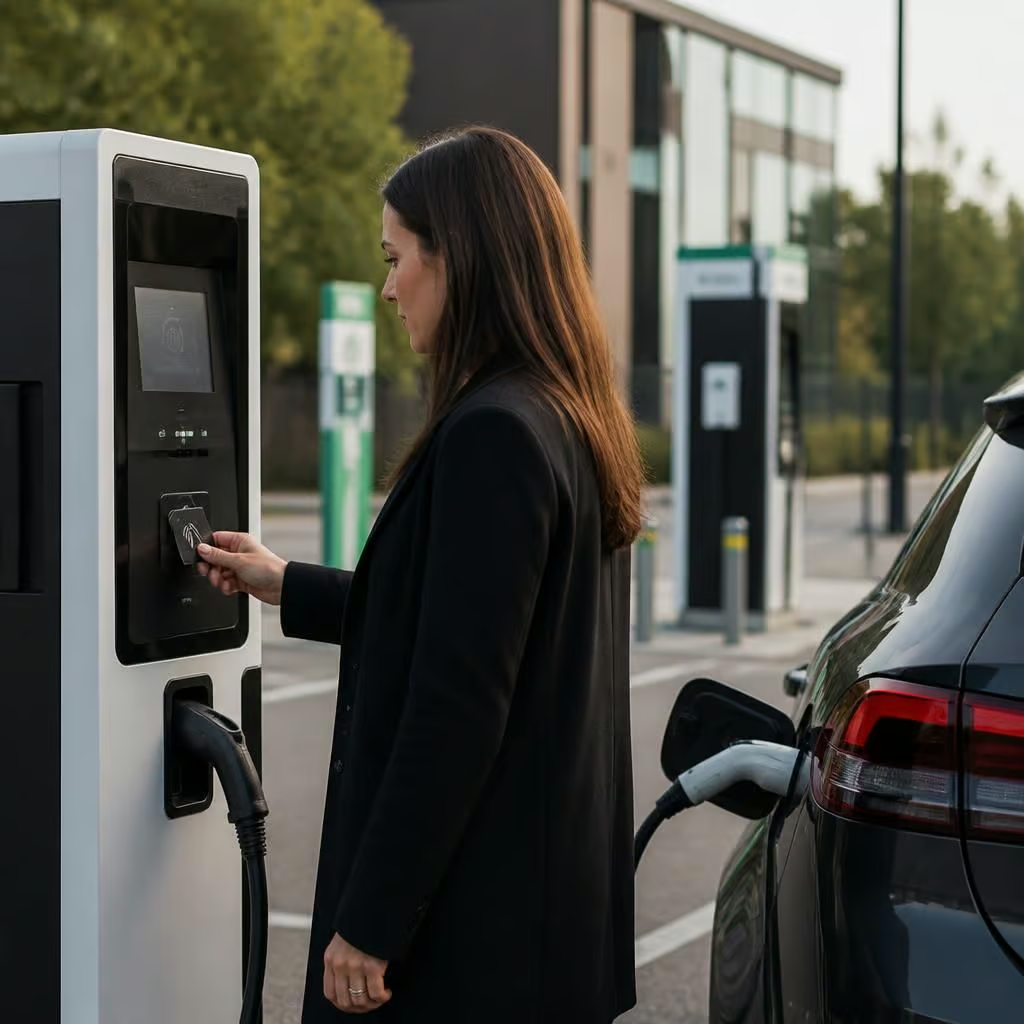
The driver and the person paying may be different people. A fleet manager might need one monthly invoice, while a visitor needs a receipt for one session.
Before installation, we establish how the business wants charging records grouped. The payment platform can then separate vehicles, drivers, departments or public sessions in its reports. That makes it easier to check energy use against invoices and identify any unusual charge.