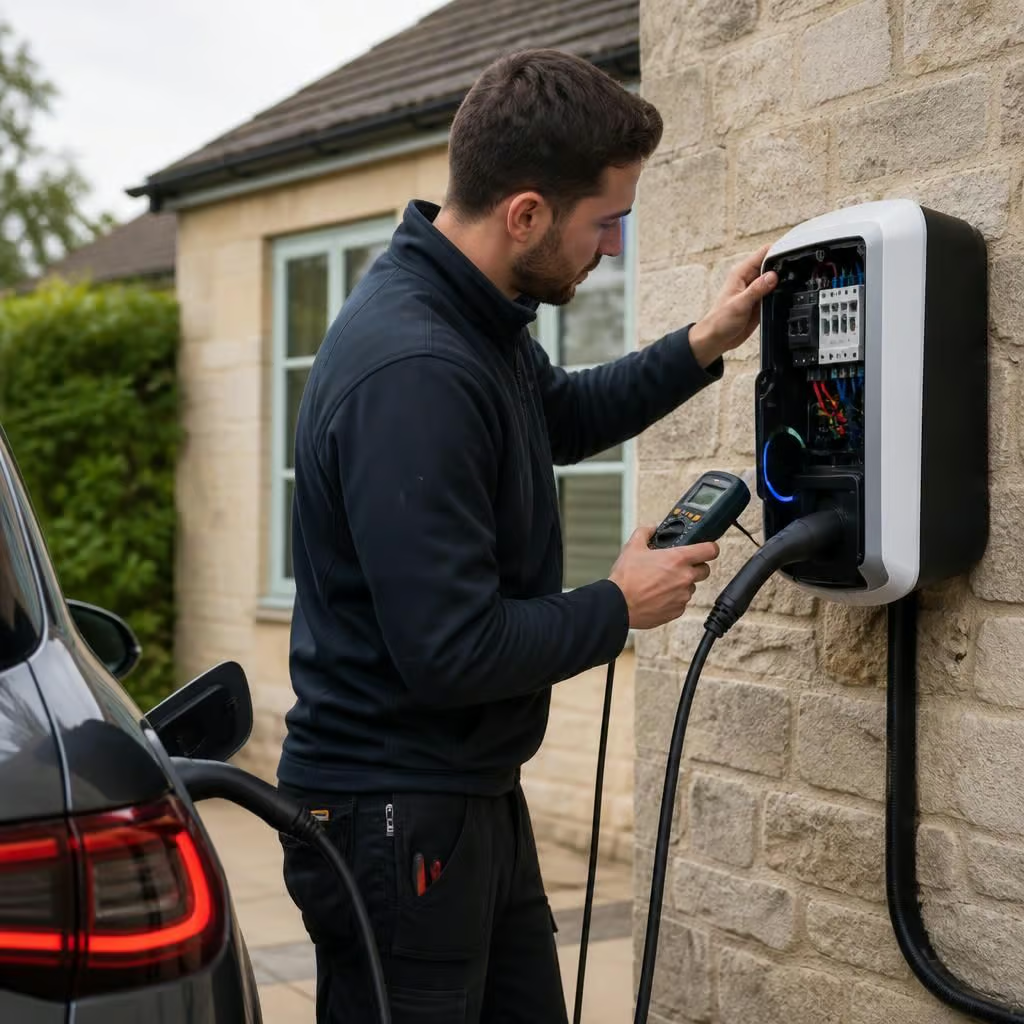
What checks are completed after installing a home EV charging point?
After the charger is fitted, we test the circuit and protective devices, check the connections and cable route, and confirm that the unit operates correctly. We then complete the required electrical certification and explain how to use the charger safely, including any controls or app supplied with it.
The final checks confirm that the charger, its dedicated circuit and the protective equipment all work together safely. We test the installation under the conditions it will face in normal use, then record the results and show you how to operate it.
We inspect the completed installation first. Your charger, cable route, isolation switch and consumer unit connections must match the agreed design. We check the enclosure, glands, terminals and cable support for signs of damage or loose work. We also confirm that the charger has suitable clearance and that the cable can be used without creating a trip or vehicle-access hazard.
Where the cable passes through a wall or outside surface, we check that the entry is sealed and protected. On a property with an older consumer unit, we also check that the new circuit has been connected to suitable equipment rather than relying on outdated protection.
We test the dedicated circuit electrically. The tests normally include:
- continuity of the circuit protective conductor;
- polarity, so live, neutral and earth connections are in the correct places;
- insulation resistance, where the charger manufacturer’s instructions allow the test to be carried out;
- earth fault loop impedance, which confirms that protective devices can disconnect the supply when needed;
- operation and trip performance of the RCD, RCBO or other residual-current protection; and
- the earthing and protective arrangement required for the property’s electricity supply.
Some chargers contain sensitive electronic components, so we follow the manufacturer’s test procedure rather than applying tests that could damage the equipment. The results show whether the wiring is safe, not simply whether the charger switches on.
Properties with PME supplies need an additional check. If the home has a PME earthing arrangement, we confirm that the charger has the required protection against a broken or displaced supply neutral. This may involve checking the protective device built into the charger or confirming the separate protective arrangement installed with the circuit. We do not assume that an outdoor charger can use the same earthing arrangement as an indoor socket.
We confirm the charger’s safety functions. The charger must respond correctly if residual current, a protective fault or a supply interruption occurs. We check the protective functions provided by the unit and confirm that charging does not resume in an unsafe state after a fault. If the installation includes load management, we check that the charger reduces or pauses its output when the home’s available electrical capacity is being used elsewhere.
A load-managed charger matters when the property has electric heating, a heat pump, an induction hob, solar generation or battery storage. The final test checks that these systems can operate together without exceeding the agreed supply capacity.
We commission the charger and carry out a live charging test. The exact process depends on the model, but we check that the unit starts, controls and ends a charging session correctly. Where the charger uses an app or online connection, we check the connection, user access and basic charging controls. We also confirm any schedule, charge-rate or solar-diversion settings that form part of the installation.
We use the vehicle where possible, or suitable test equipment where a vehicle is not available. A live test can reveal issues that electrical measurements alone cannot, such as a communication fault between the charger and vehicle or a charging session that stops unexpectedly.
We complete the electrical record for the work. NICEIC-registered electricians record the installation details, inspection results and protective-device information on the appropriate electrical certificate. You receive the paperwork needed to identify the circuit and understand the test results. Where the installation requires notification, we complete the relevant process through the applicable competent-person route.
Keep the certificate with the charger instructions and any consumer unit records. It can help if the property is sold, altered later or inspected as part of other electrical work.
We finish with a practical handover. Your isolation switch, charger controls and app settings should be clear before we leave. We show you how to start and stop charging, check the status lights, reset the charger after an ordinary protective trip and use any scheduled charging function. We also explain what the main fault indicators mean.
If the charger repeatedly trips, displays a fault or will not release the cable, do not keep resetting it. Stop using it and report the displayed fault or error code. We can then distinguish a charger fault, vehicle issue, supply problem or protective-device trip from the information recorded during commissioning.
If a final check finds a fault or an installation detail that needs attention, we explain what we have found before treating the work as complete. We correct issues within the agreed installation where possible, then repeat the relevant checks.
You receive the certificate for the completed, tested installation rather than paperwork based only on the charger switching on. Any setting we cannot confirm without the vehicle or home network is explained clearly, so you know what still needs checking when you begin using the charger.