How long does domestic electrical installation take?
The time needed depends on the work: a small upgrade may take one visit, while a full rewire takes longer and is usually planned in stages. We assess the property, explain the disruption and provide a written programme before work starts.
Domestic electrical installation can take one visit for a small upgrade, while a full rewire usually needs several stages. We can give a reliable timescale after checking the existing wiring, the work involved and how easily we can reach each circuit.
Small upgrades are usually the simplest to plan. Adding a socket, replacing a light fitting or upgrading a small part of an installation may involve one visit if the existing circuit can safely support the change. We still test the relevant circuit and check that the new work meets current requirements.
A new consumer unit, additional circuits or several new accessories need more preparation. We may need to trace cables, check the earthing and bonding, and confirm that the incoming supply is suitable. If the existing wiring is in poor condition, the installation may need further work before the upgrade can safely go ahead.
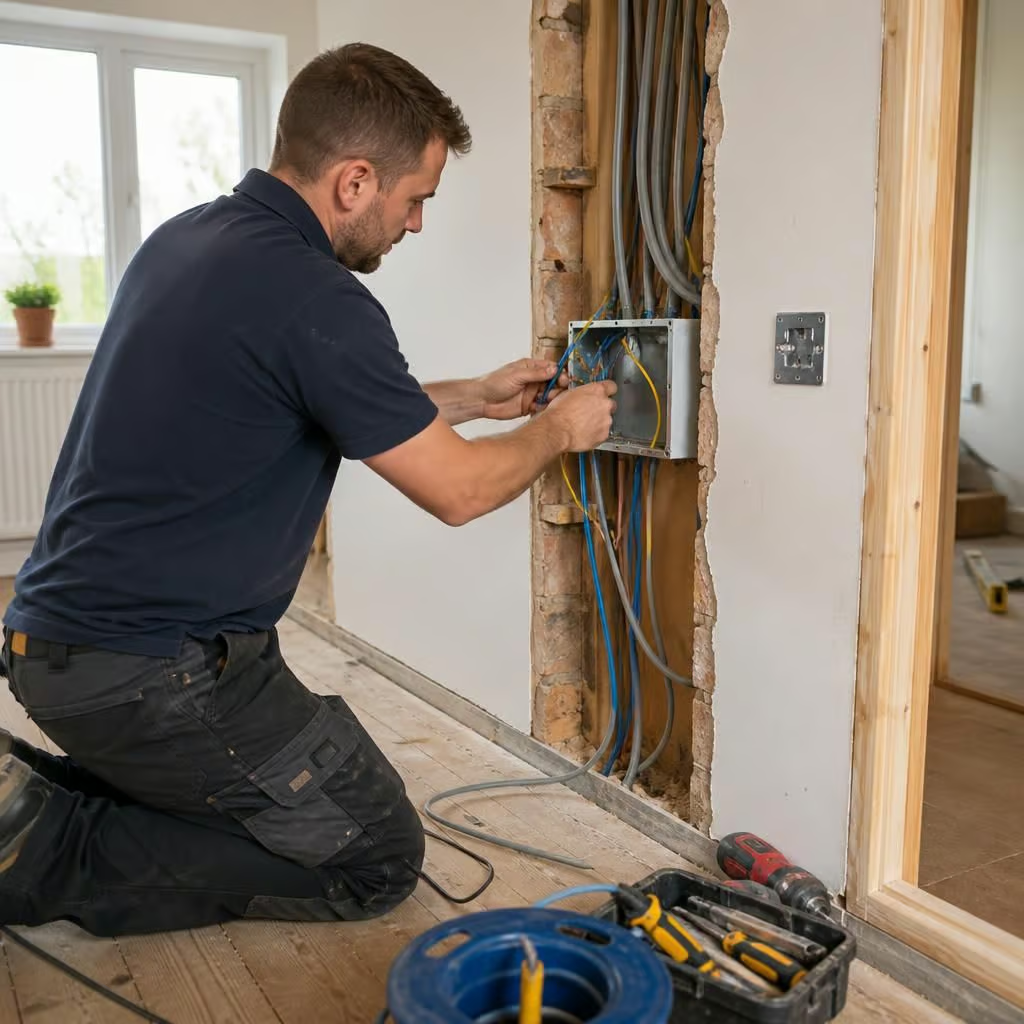
A full rewire takes longer because we work through the property in stages. We normally plan the work around the rooms, access to floor voids and loft spaces, and the position of the consumer unit. The first fix involves installing cables and back boxes. After the walls, ceilings or floors are ready, we return for the second fix, fitting sockets, switches, lights and other accessories. We then test the installation and complete the required paperwork.
Your home may need a different sequence if it is occupied. Furniture, flooring and stored items can restrict access to walls and floors, so clearing rooms before work starts can reduce delays. We explain which areas need to be accessible and discuss how we will leave the property between stages.
The condition of the existing wiring is one of the biggest influences on the timescale. Older installations can contain cables without modern protective measures, damaged connections or circuits that do not match the way the house is now used. We cannot assume that the wiring behind a wall is suitable simply because the accessories look tidy. Testing and inspection show whether we can retain part of the installation or need to replace more of it.
Older rural homes, barn conversions and properties with solid walls can also need more careful planning. Cable routes may be less straightforward, and chasing solid walls creates more making-good work than working in a modern cavity-wall property. Listed buildings may require agreement on where cables, sockets and fittings can go before installation begins. We take those practical restrictions into account rather than treating every house as the same.
Access affects both the installation and the amount of disruption. We may need to lift sections of flooring, work in the loft or open small areas of wall to reach a circuit. Where access is limited, we explain the likely method before work starts. If the planned route is not possible once we open up the building, we stop and discuss the alternatives rather than extending the work without agreement.
The installation may also take longer if we find a fault, inadequate earthing or damage that makes the original plan unsafe. We record what we have found, explain why it matters and confirm any additional work before carrying it out. This keeps the final cost and timescale linked to an agreed scope.
When the physical work is complete, we test the circuits and protective devices rather than treating fitting the accessories as the final step. We check that the installation operates safely, identify any issue that needs correcting and provide the relevant electrical test results and certification for the work completed.
The most useful way to establish the timescale is to arrange an assessment before booking the installation. We can then confirm the work included, the rooms or circuits affected, the access needed and whether the job can be completed in one visit or needs planned stages. A written quotation sets out that scope before work starts.
The time between the first and final visit may be longer than the electrical work itself. A rewire can be split around plastering, flooring or other building work, so the second fix may happen later even when the cabling is already complete.
Before work starts, we explain which parts of the installation can be completed together and what needs to happen between visits. That gives you a clearer idea of when each room will be usable, rather than treating the whole job as one uninterrupted period.