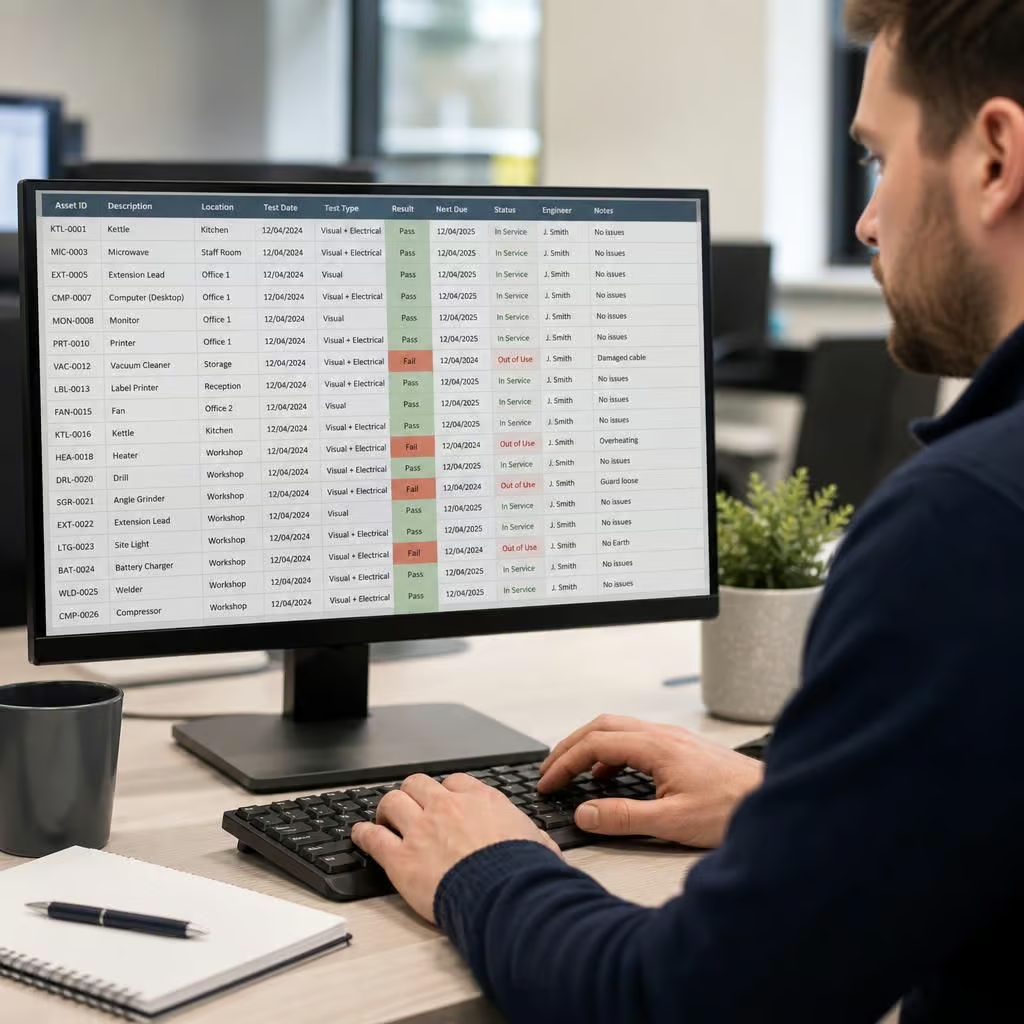
What information is included in a PAT testing register?
A PAT testing register records which appliances were checked, where they are, the test date, results, faults found and any corrective action taken. It may also include the appliance’s identification number, test method, next review date and the person who carried out the checks, giving you a clear record for maintenance and compliance.
A PAT testing register should show the history and current status of every item of portable electrical equipment. It needs enough detail for someone else to identify the appliance, understand how it was assessed, and see what happened when a fault was found.
Site and responsible-person details
The register normally starts with the name and address of the premises, or the site reference used by a landlord, letting agent or facilities team. It may also name the department, tenant, building manager or other person responsible for the equipment. This prevents records from different properties being mixed together, particularly where one organisation manages several sites.
A clear record for each appliance
Each item needs a unique reference, usually linked to the PAT label fixed to the appliance. The register can then include details such as:
- the appliance description and type;
- the make, model and serial number, where available;
- the room, building, vehicle or work area where the item is used;
- the equipment owner or department;
- whether it is double-insulated, earthed or connected to an extension lead;
- any information about how frequently, heavily or harshly the item is used.
These details matter when several similar appliances are present. “Kettle” is not enough if a workplace has six of them. A reference number, room and serial number make the correct item clear.
Information about the inspection and test
The entry should identify the person or business carrying out the work and record the method used. A competent tester may carry out a visual inspection, electrical tests, or both, depending on the equipment and the risk of using it.
Where electrical testing is undertaken, the register can record the instrument used and its identification or calibration reference. It may also retain the individual readings rather than only recording a pass or fail result. This gives the record greater value if somebody later needs to understand how the decision was reached.
Condition and safety findings
A useful register records more than the final result. It can describe issues such as a damaged flex, loose plug, cracked casing, exposed conductors, missing earth connection or signs of overheating. It should also make clear if an item could not be tested, and why.
That explanation is important. An appliance may be awaiting repair, disconnected from the supply, inaccessible, or unsuitable for a particular test. Recording the limitation avoids treating an incomplete inspection as a successful one.
What happened after a fault
When an item fails or presents a concern, the register should track the decision that followed. This might include:
- the appliance being taken out of use;
- a warning label or other identification being applied;
- a repair being authorised or completed;
- the item being replaced or disposed of;
- the person notified about the risk;
- the date on which the action was closed.
A short note such as “failed” leaves an important gap. The record should show whether the appliance remains in service, who is dealing with it, and whether further work is still outstanding.
Review and equipment history
The register works best as a live asset record rather than a list created once and forgotten. New equipment can be added, removed items can be marked as disposed of, and repaired appliances can retain their earlier history with a new entry for the later assessment.
The next review date should reflect the way the appliance is used and the risks at that location. PAT testing is not automatically required at the same interval for every item. A frequently handled tool on a construction site may need a different approach from a desk lamp in a low-risk office.
Sign-off and supporting records
The completed register should show when the record was finalised and who checked or approved it. For larger properties, it can also refer to separate inspection sheets, repair invoices, photographs or appliance replacement records. Keeping those documents connected to the asset reference makes later checks much easier.
For a landlord or property manager, the register should be easy to match against the appliances present at the property. For a business, it should help staff identify equipment that must not be used and show that reported faults were followed through. We can provide a clear record in a format that supports ongoing maintenance, not just the day of the inspection.
When equipment is spread across several rooms or properties, the register should be easy to search and update. We can structure the record so staff can filter items by site, asset reference, result, outstanding action or next review date. That makes it easier to find the right appliance without relying on a paper folder or memory.
A digital register should also show when an entry was changed and who made the change. This creates a clear record when equipment moves, is repaired or is removed from service, while keeping earlier information available for reference.