How long does solar panel installation take?
There isn’t one fixed timescale: a straightforward roof installation is quicker than one needing scaffolding, electrical upgrades or battery storage. We confirm the expected installation time after surveying the roof, electrics and access, then complete the panels, inverter and commissioning in the agreed sequence.
The panel fitting itself is usually completed in one visit, but the full timetable depends on the roof, the electrical installation and any approvals needed. A straightforward system can move through the process without much disruption. Older, listed or more complex properties need more planning before fitting starts.
The survey sets the timetable. We inspect the roof covering, its structure, orientation and shading from trees or nearby buildings. We also look at the loft, the route for cables and the position of the consumer unit and electricity meter. If you are considering a battery or an EV charger later, we can take that future demand into account while the system is designed.
Your roof may need repairs before panels are fitted. Replacing damaged tiles or dealing with a weak roof structure after installation would mean removing equipment, so we identify those issues first. Listed buildings, conservation areas and some unusual roof types may also need additional planning checks.
The design and approval stage can add time. We size the panels around your roof and electricity use rather than filling every available space automatically. The design also considers inverter capacity, battery storage, cable runs and access for maintenance. Where the proposed system needs approval from the electricity network, we deal with that before installation.
Some properties need scaffolding or specialist access equipment. A steep roof, awkward access, fragile tiles or several roof pitches can make preparation more involved. Poor weather can also prevent safe work on the roof, so the fitting date may need to move if conditions are unsuitable.
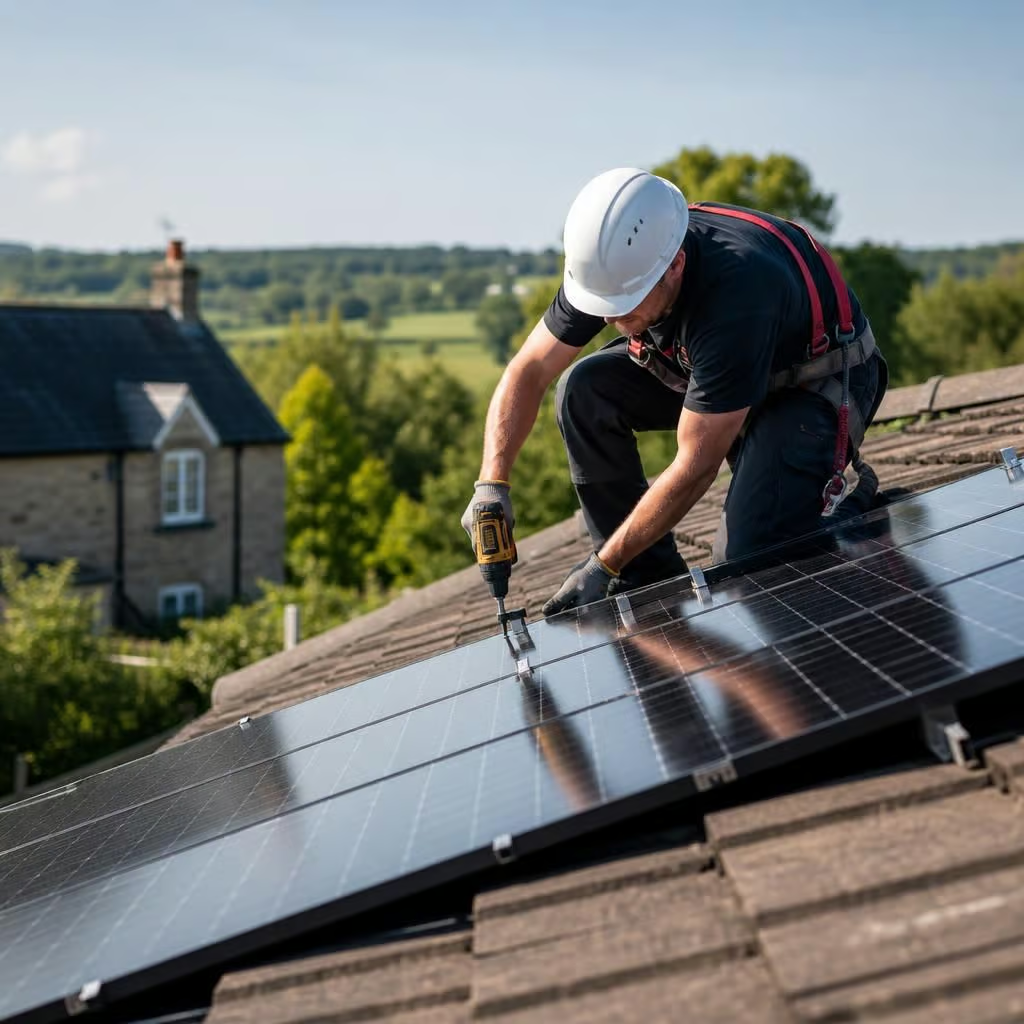
On the installation day, we protect the working areas before bringing equipment into the property. The team fixes the mounting system to the roof, positions the panels and runs the cables to the inverter. If you have chosen a battery, we install it in a suitable location with enough clearance and access. The electrical connection may require changes to the consumer unit or other protective equipment.
Most of the work takes place outside or in the loft, but someone may need to enter the house to reach the consumer unit, inverter or battery position. We explain where equipment will go before work begins. We also keep cable routes as short and tidy as the building allows.
Commissioning happens after the equipment is fitted. We test the electrical connections, confirm that the inverter and battery operate correctly and check that the system is producing power safely. We show you the monitoring system and explain what the readings mean, including the difference between electricity generated, used in the home and exported to the grid.
As an MCS-certified installer, we can provide the certification needed for a Boiler Upgrade Scheme application where the work falls within that scheme. For solar and battery systems, MCS certification also supports eligibility for the Smart Export Guarantee. The available terms and requirements can change, so we check the current position for your installation rather than relying on an old tariff or grant figure.
The main causes of delay are usually the property, not the panels. These include:
- roof repairs or a roof covering that cannot safely take the mounting system;
- scaffolding, restricted access or difficult cable routes;
- shading that requires a different panel layout or system design;
- an older consumer unit or electrical installation needing improvement;
- planning or network approval for a particular property or system size;
- adding a battery, EV charger or other equipment to the same electrical installation.
If your home has an older electrical system, we explain any required upgrade before work starts. You receive a written quotation, so additional work is not introduced without discussion. Once the design and practical requirements are clear, we agree an installation date and explain what access the team needs from you.
For a more accurate answer, the useful question is not simply how many days the panels take to fit. It is how complex the roof and electrical connection are, and whether you want battery storage or other equipment installed at the same time. A survey gives you that answer before you commit to the work.
The installation date is easier to keep when the practical decisions are settled beforehand. We agree the panel layout, equipment positions and cable route during the design stage, so the team is not redesigning the system while working on the roof.
If the work affects the electricity supply, we explain any temporary interruption before installation begins. You’ll know which rooms need access and when the system will be tested, rather than having to make decisions during the fitting work.