What maintenance does an off-grid solar system need?
An off-grid solar system needs regular checks of its panels, inverter, battery, wiring and protective equipment, along with performance monitoring and occasional panel cleaning. We can inspect the installation, identify declining battery or generation performance, and deal with faults before they affect your electricity supply.
Off-grid solar maintenance is mainly about protecting the battery, checking the system’s recorded performance and keeping electrical equipment safe. The exact routine depends on the battery type, inverter, installation location and how heavily the system is used.
Start with the system’s normal behaviour. Keep a note of the battery charge level, inverter readings and typical energy use. A gradual change is useful information, even when the system still appears to work. A battery that reaches full charge less often, an inverter that cuts out under familiar loads or a generator that runs more frequently can point to a developing fault.
Compare readings under similar conditions rather than expecting the same result every day. Solar generation changes with the season and weather, while your electricity use may change when heating, refrigeration or pumps run more often. Looking at the pattern over time helps separate normal seasonal variation from a genuine performance problem.
The battery needs the most care. Batteries are exposed to high currents and, depending on the technology, may need particular ventilation, temperature control or charging settings. Lead-acid batteries can have different inspection requirements from lithium batteries. Some need checks on electrolyte levels and terminals; sealed batteries must not be opened.
Keep the battery area dry, reasonably clean and free from stored items. Do not cover vents or place combustible materials beside the equipment. In a barn, garage or outbuilding, dust, condensation, rodents and large temperature changes can all affect the installation. We check that the battery is secure, accessible and operating within the limits set by its manufacturer.
Use the inverter display and records as an early warning. An occasional alert may relate to a temporary condition, but repeated warnings should not be ignored. Record the message, the time it appeared and what the system was doing. That gives an engineer useful information without repeatedly resetting the equipment and hiding the pattern.
Do not change battery, inverter or charge-control settings unless you know why the change is needed. Incorrect settings can reduce usable storage, prevent the battery reaching the right charge level or put unnecessary strain on the equipment. Firmware updates and configuration changes should follow the manufacturer’s instructions and be checked against the rest of the system.
Professional servicing checks more than whether the lights come on. We assess the battery condition, charging and discharge behaviour, inverter operation, accessible connections, isolation arrangements and protective equipment. We also look for signs of heat, corrosion, water ingress, mechanical damage or animals getting into cable routes. The findings are recorded so a small repair can be distinguished from normal battery ageing.
For an installation serving an older house or separate outbuilding, we also consider how the equipment is being used. A new freezer, workshop machinery, electric vehicle charger or electric heating load can alter the system’s demands considerably. We can identify where the present battery capacity or inverter rating no longer matches the way the property operates.
Seasonal planning matters on an off-grid system. Lower winter generation can leave less energy available for essential loads, particularly after several dull days. Review the loads that must remain powered and avoid adding high-demand equipment without checking the system first. If the installation includes a backup supply, follow its operating and maintenance instructions rather than relying on it as an automatic substitute for solar capacity.
Deal with warning signs safely. Burning smells, unusual heat, swelling, damaged casing, smoke, sparking or a strong chemical smell require the equipment to be left alone. Keep people away from the area and follow the system’s shutdown instructions only if it is safe to do so. Do not remove battery covers or attempt live electrical repairs. We can investigate the fault and identify whether the problem is with the battery, inverter, cabling or another part of the installation.
Keep the installation paperwork, equipment manuals, commissioning information and service records together. These details help with fault diagnosis and show how the system has been maintained. They also matter if a component needs replacing, because batteries and inverters must be compatible with the existing system.
There is no single maintenance interval that suits every off-grid solar system. Manufacturer guidance, the site conditions and the battery technology should set the schedule. When we inspect a system, we explain which checks the owner can safely make and which work needs a qualified engineer, so maintenance remains proportionate to the equipment and the property.
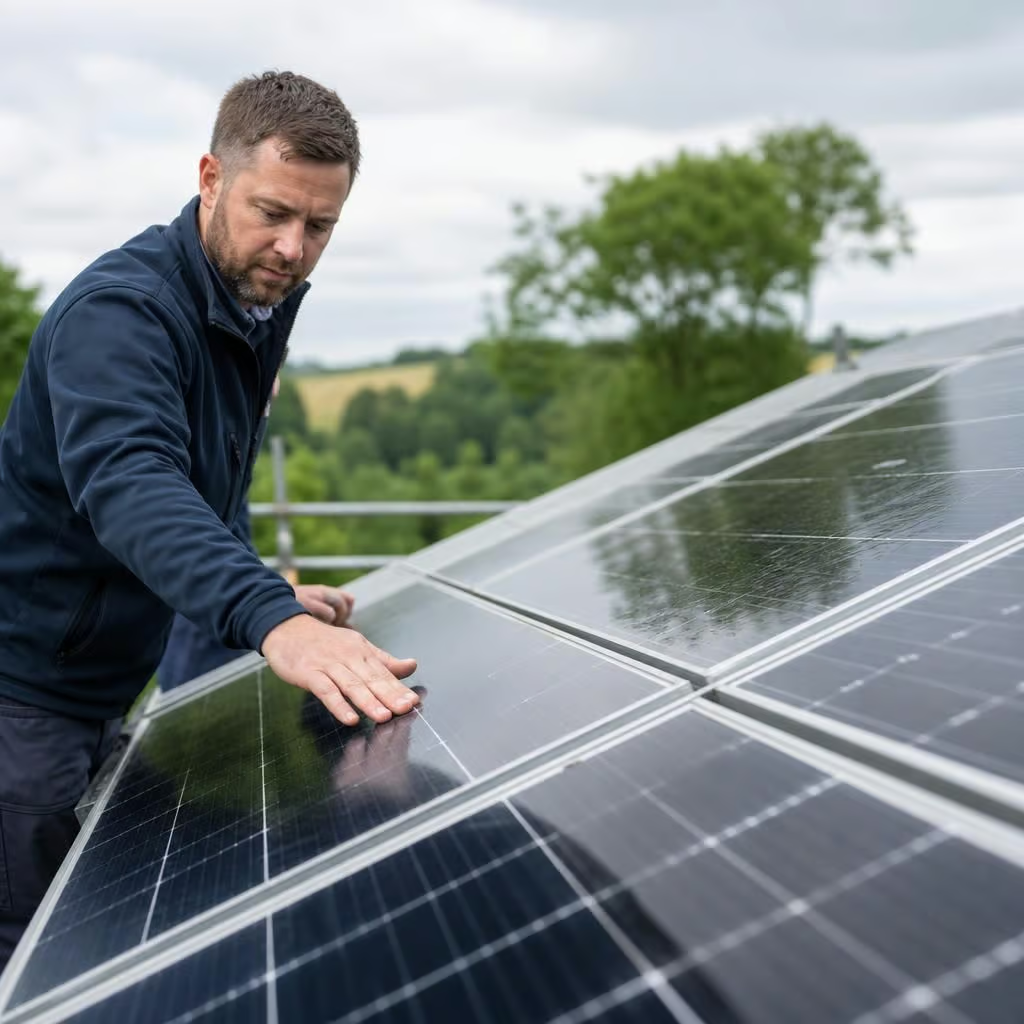
Dust, leaves and bird mess can reduce generation, but cleaning is not automatically part of every service visit. If the panels are safely reachable, you can inspect them from ground level and note any heavy deposits or new shading. Don’t climb onto the roof or use abrasive materials, as damaged panels can become an electrical and water-ingress problem.
When access is difficult or dirt is affecting performance, we can assess the panels, cable routes and mounting points together. We’ll distinguish a cleaning requirement from a wider fault, such as tree growth, damaged glass or a loose connection, so you’re not paying to clean panels that need electrical attention instead.