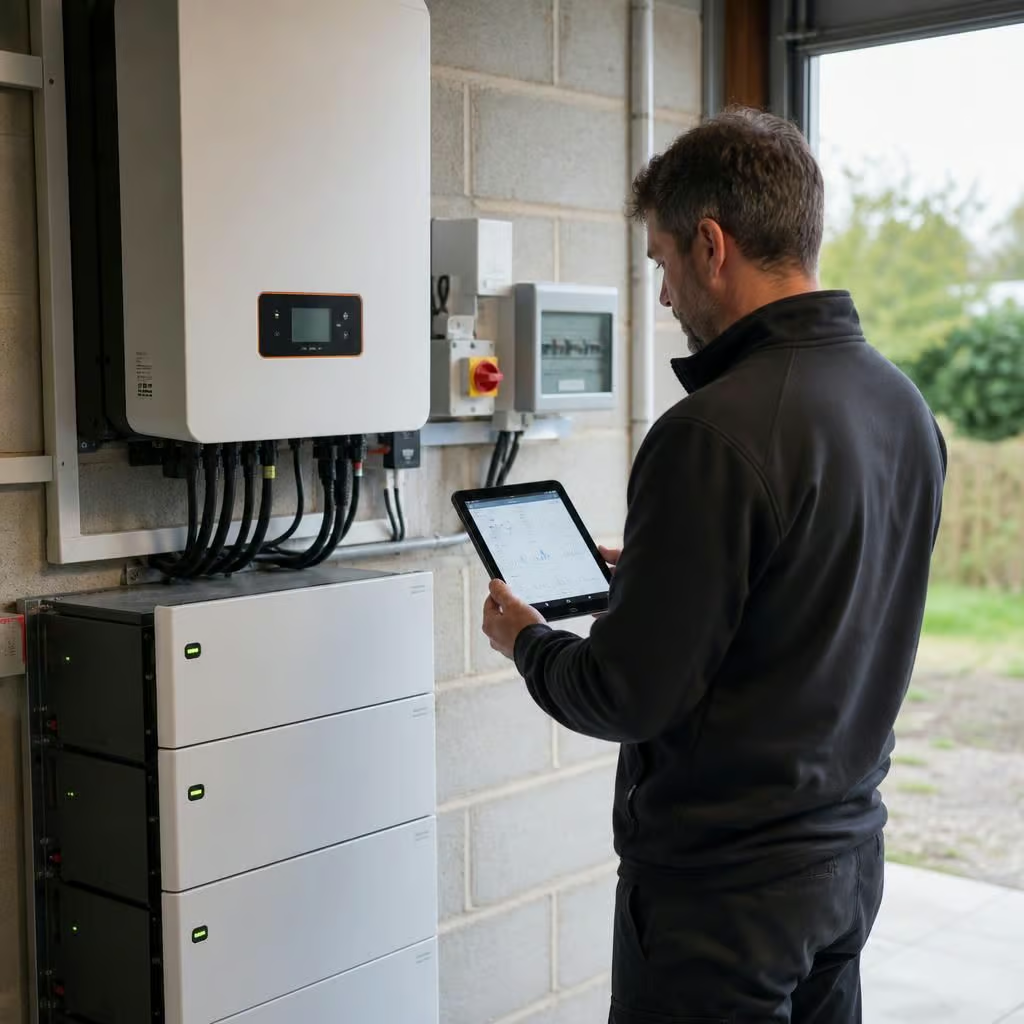
What maintenance does renewable energy storage require?
Renewable energy storage usually needs little routine maintenance, but regular checks help keep the battery safe, efficient and reliable. Keep the unit clear and dry, review its monitoring system for faults, and arrange professional inspections in line with the manufacturer’s guidance.
Most domestic battery systems need very little hands-on maintenance. The important work is checking the installation, confirming that the controls remain suitable and dealing with faults before they affect the rest of the system.
There is no routine oil change or filter replacement. You should not open the battery enclosure, alter its settings or attempt electrical repairs. The battery stores a high level of energy, even when the solar panels are not generating. We carry out any internal inspection, testing or adjustment needed.
Keep the area around the battery clear. Do not store boxes, fuels, paint or garden equipment against the enclosure. The battery needs the ventilation and access allowed by the original installation. Damp, flooding, excessive dust or a new source of heat can all affect its condition, particularly in a garage, plant room or outbuilding.
At home, look for changes rather than trying to service the equipment. A warning on the inverter or battery display, repeated shutdowns, unusual noise, a burning smell, visible damage or unexpected heat needs attention. If the enclosure appears damaged or there are signs of smoke, keep away and follow the system’s emergency instructions. Do not remove covers to investigate.
During a professional inspection, we check the parts that affect safe operation and useful capacity, including:
- the battery enclosure, mounting and surrounding space;
- cables, terminals, isolators and visible signs of heat or corrosion;
- the inverter, protection equipment and system error history;
- ventilation, moisture and temperature around the equipment;
- software and firmware updates recommended by the manufacturer;
- charge and discharge settings, including any changes to your electricity tariff or solar generation;
- meter readings and operating data, where the system records them; and
- labels, access and isolation arrangements for future servicing.
Your system may behave differently in winter because solar generation and household demand change with the season. A reduced state of charge does not automatically mean the battery has failed. We compare the operating data with the system design before recommending a repair or replacement.
Battery capacity also changes gradually through normal use. Maintenance cannot restore capacity that has naturally reduced, but it can identify a wiring fault, inverter problem, unsuitable setting or communication error. Keep the installation paperwork and fault records, because the manufacturer may need them when assessing a warranty claim.
The right inspection interval depends on the battery model, installation instructions and how the system is used. Follow the maintenance guidance supplied with the equipment rather than relying on a universal annual schedule. If the paperwork is missing, we can inspect the installation and explain what needs checking and how often.
A change to the wider electrical system can also affect the battery. Adding solar panels, an EV charger, a generator or another large electrical load may require the battery settings and protection arrangements to be reviewed. Tell the installer about these changes before anyone modifies the system.
For a system we install, we record the equipment, settings and test results so future checks have a clear starting point. MCS certification is relevant when we install eligible renewable equipment because it supports the required installation paperwork for export arrangements. The maintenance decision itself still rests on the equipment instructions, the condition of the installation and how your home uses the battery.
Routine cleaning should stay external. If dust gathers around the enclosure, wipe the accessible surfaces with a dry or slightly damp cloth, following the manufacturer’s instructions. Keep water, sprays and pressure washers away from the battery, inverter and electrical connections.
Do not remove covers to clean inside the equipment. Internal cleaning, testing or repair needs the right isolation procedure and electrical knowledge. We can deal with that safely during a planned inspection, without changing settings that the system needs to operate correctly.