
How much does a home solar panel system cost?
Home solar panel system cost depends on the roof, system size, electrical work and whether you add battery storage. We assess your home and electricity use before giving a written quotation, so the price and likely savings relate to your property.
There is no reliable single price for a home solar panel system. The total depends on the amount of electricity you use, the roof available, access, the electrical connection and whether you include battery storage. A low online figure may not include the work needed to make a particular home suitable.
The panels are only part of the cost. A complete installation can include the panels, inverter, mounting system, generation meter, cabling, labour, scaffolding and commissioning. A battery adds the battery unit, control equipment and extra installation work. If the consumer unit, earthing or other electrical equipment needs attention, that work should appear clearly in the quotation rather than being added later.
Roof construction affects the installation as well. Slate, old tiles, fragile coverings, awkward roof pitches and limited access can increase the time needed to work safely. A ground-mounted array may involve different foundations and cable routes. On an older or listed property, the position of the panels and the method of fixing may also need more careful consideration.
Battery storage changes what the system is designed to do. Without a battery, surplus daytime generation can be exported when it is not being used in the home. A battery can store some of that electricity for later, which may suit a household that uses more power in the evening. It also adds to the initial cost, so we look at the household’s actual generation and consumption before recommending one.
A larger battery is not automatically better value. Its usefulness depends on the size of the solar array, your daytime electricity use, the battery’s usable capacity and the electricity tariff. We can compare the likely use of a battery with the additional installation cost, rather than treating storage as an automatic part of every system.
Solar PV payback is specific to the property. We work from the roof layout, expected generation, household demand and the amount of electricity likely to be used directly. We also consider electricity prices, export payments and battery operation. These figures can change, so a payback estimate is a planning tool rather than a guaranteed saving.
MCS certification matters when you are comparing quotations. It allows us to make a Boiler Upgrade Scheme grant application for eligible heat pump installations, but that grant does not automatically apply to a solar PV system. For solar and battery installations, MCS certification makes the installation eligible for the Smart Export Guarantee, subject to the requirements of the export tariff provider. We explain the paperwork and the information needed before the system is commissioned.
A proper quotation should show what is included. Check that it identifies:
- the proposed number and layout of panels;
- the inverter and any battery, including usable battery capacity;
- scaffolding, access equipment and cable routes;
- electrical inspection, consumer unit work and earthing requirements;
- monitoring, commissioning and handover paperwork;
- any planning or grid-connection steps that apply; and
- the assumptions behind the generation and savings estimate.
Some quotations show a panel price but leave electrical upgrades, scaffold removal or remedial roof work outside the main total. That makes comparisons difficult. We set out the work in a written quotation before it starts, including any known exclusions, so you can compare like with like.
Your roof may be suitable for panels but not for the layout shown in a standard package. Shading from trees, chimneys or neighbouring buildings can reduce generation. A roof facing more than one direction may still work, but the design needs to account for different sunlight levels. On a rural property, long cable runs or a separate outbuilding can also affect the installation work.
We assess these points before finalising the design. The installation is carried out by MCS-certified engineers, and we commission the system so you can see how it is generating and where the electricity is going. If the home needs electrical work before connection, we explain why it is needed and include it in the quotation.
The most useful way to find the cost for your home is to have the system designed around the roof and electricity use, rather than choosing a panel count from an online calculator. We can then separate the cost of solar generation from the cost of battery storage and show which parts are essential, optional or dependent on the property.
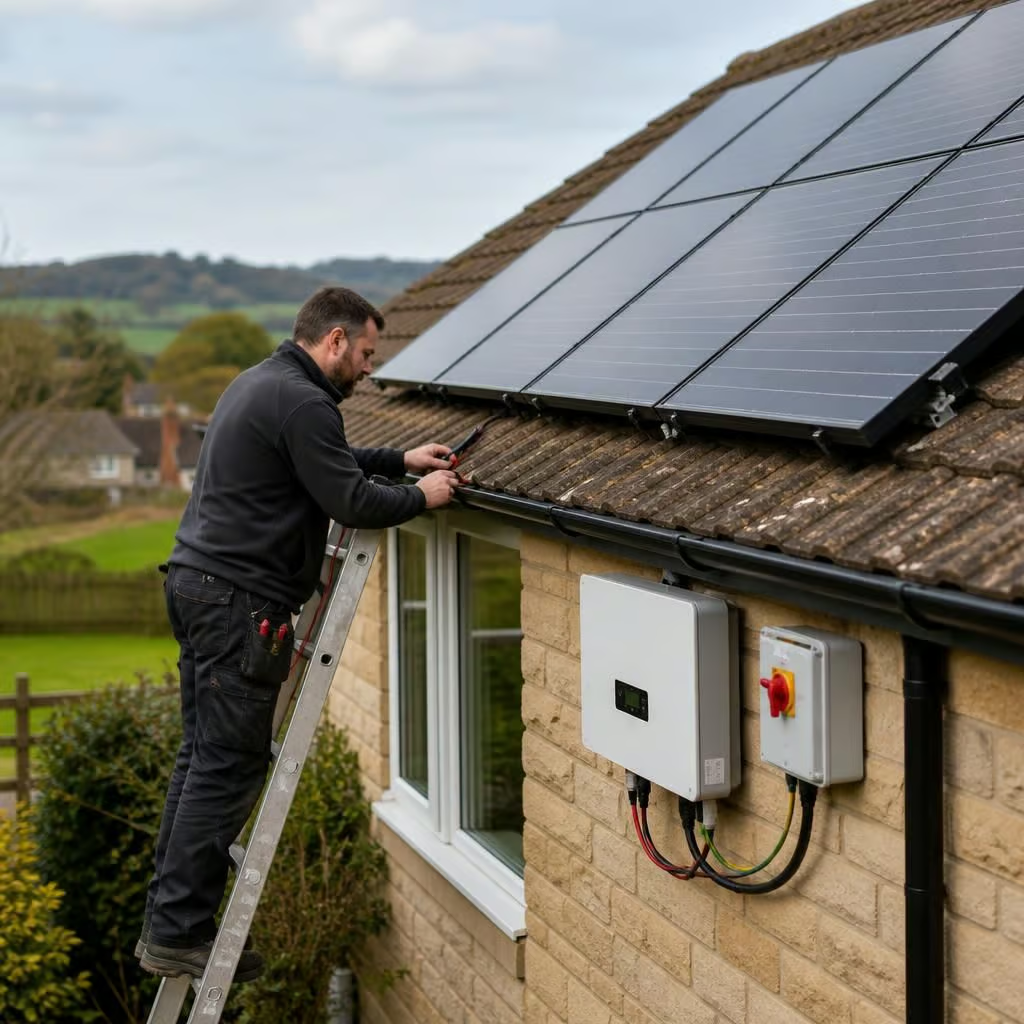
The connection to the electricity network can affect the final price as well as the panels and inverter. A larger system may need additional checks before it can export surplus electricity, particularly where the property has a long connection or a separate outbuilding.
We include any relevant grid-connection steps in the quotation and explain what they mean for the design. That helps you see whether the proposed system can export all its surplus, needs an export limit or requires changes to the electrical connection before installation.