
How long does solar water heater installation take?
Solar water heater installation times vary with the cylinder, roof access and the plumbing changes needed. We confirm the expected duration after surveying the property, then explain what work will take place and how much disruption to expect.
A straightforward solar water heating installation is usually completed in one planned visit. The exact timescale depends on the roof, the hot water cylinder and the route between them, so we confirm the programme after surveying the property.
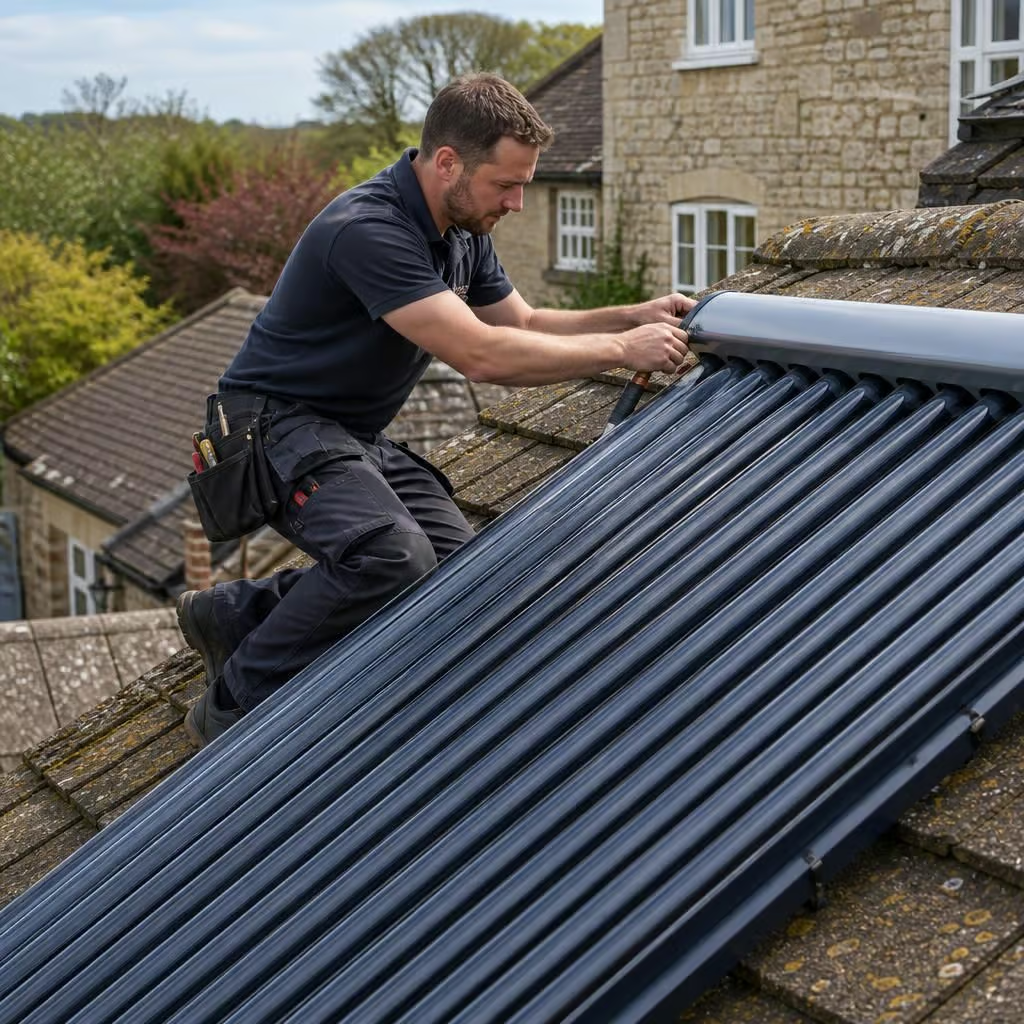
The survey sets the installation time. Your roof may need additional access equipment if the collectors cannot be reached safely from existing access. We also check the roof covering, available mounting area, pipe routes and the position of the cylinder. A long or awkward route between the roof and airing cupboard can add work, particularly in an older house.
Your existing cylinder may be suitable, but that depends on its connections and available coil. If it needs changing, we include that work in the programme rather than discovering it during installation. A replacement cylinder, remedial roof work or difficult internal pipe routes can turn a simple visit into a longer installation.
Before the installation, we explain what access the engineers need and where equipment will be placed. Clearing the airing cupboard and the route to it helps the work run smoothly. We also agree where the controls and any visible pipework will go, so there are no avoidable changes once work has started.
On the day, we protect the working areas before bringing equipment into the property. The roof work, pipework, circulation equipment, sensors and cylinder connections are completed in sequence. We then fill and check the solar circuit, set the controls and commission the system. Any electrical connection needed for the pump and controls is dealt with as part of the planned installation.
Most of the disruption is concentrated around the roof, airing cupboard and pipe routes. You may need to avoid those areas while the engineers are working, but the rest of the home can normally remain in use. We keep pipework routes as practical and tidy as the building allows, which matters particularly in older or listed properties.
Weather can affect the roof stage. Strong wind, heavy rain or unsafe conditions may mean that external work has to be rearranged, even if the internal preparation is ready. We would explain any change to the agreed programme rather than proceed with unsafe roof access.
A more involved installation may take longer when:
- the collectors need difficult roof access or additional access equipment;
- the roof needs repair before the mounting system can be installed;
- the cylinder is unsuitable and must be replaced;
- the pipe route is long, concealed or difficult to reach;
- the property has solid walls, restricted voids or unusual construction; or
- other planned plumbing or electrical work needs coordinating with the solar system.
Once the system is commissioned, we explain the controls, show you what to look for and provide the installation paperwork. If the survey identifies a factor that could extend the work, it will be reflected in the quotation and programme before installation starts.
The installation time begins after the necessary checks are complete, not when you first request a quotation. If planning consent, listed-building approval or roof repairs are needed, those steps can affect the overall programme before fitting starts. We identify them early, so you know which part is preparation and which part is the installation itself.