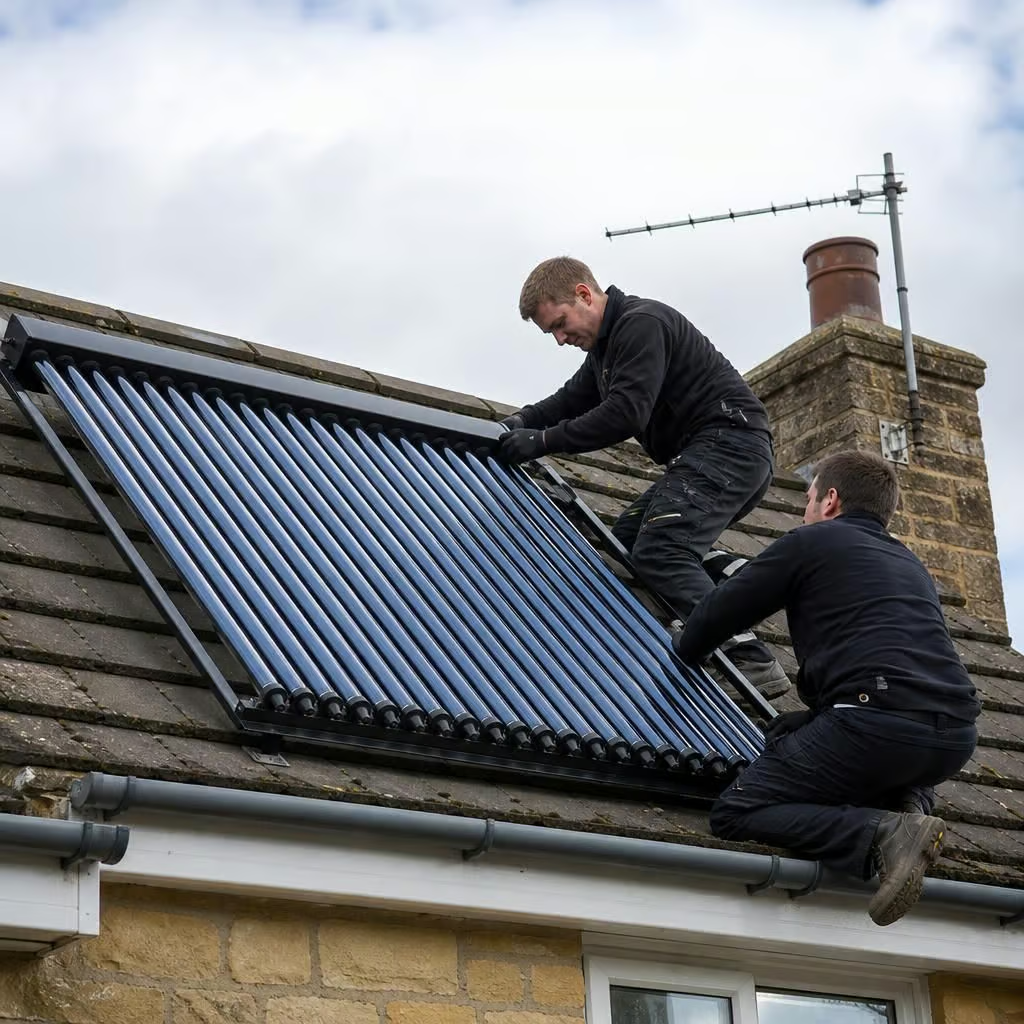
How much does a solar water heating system cost?
Solar water heating system cost depends on the collector area, hot-water cylinder, roof access and any plumbing changes your home needs. We assess those details before giving you a written quotation, so the price reflects the installation rather than a headline estimate.
There is no reliable single price for a solar water heating system. The overall cost depends on the type of collector, the hot-water arrangement in the property and the work needed to connect the system safely. A lower-cost installation may be possible where the roof, cylinder and pipe routes are already suitable. An older property may need more preparation before the system can operate properly.
The main parts of the cost are:
- Solar collectors, roof mounting equipment and the associated heat-transfer circuit.
- A twin-coil cylinder or thermal store, if the existing cylinder cannot accept solar heat.
- The pump station, expansion vessel, sensors, controls and antifreeze solution.
- Pipework between the collectors and cylinder, including insulation and internal routing.
- Roof access, lifting equipment and any repairs needed before the collectors are fitted.
- Electrical work for the controls, pump and backup immersion heater.
- Removal of unsuitable equipment and commissioning of the completed system.
The cylinder often has the biggest effect on the final price. A conventional hot-water cylinder may not have the extra coil needed to receive heat from solar collectors. If it needs replacing, the quote must include the cylinder, new connections and changes to the airing cupboard or plant room. Space can also matter. A larger cylinder may be needed to store more hot water for use later in the day.
Your home may already have a suitable cylinder, but that does not guarantee a straightforward installation. We check the cylinder specification, its condition, the position of the existing boiler or immersion heater and the available route for new pipework. That shows whether the work involves a simple connection or a wider hot-water upgrade.
Roof access affects labour as well as equipment. A south-facing roof is not essential, but shading, roof orientation and the available collector area affect how much useful heat the system can produce. Sloping roofs, awkward access, fragile coverings and listed or older buildings may require additional planning before work begins. We also look at the roof structure and weatherproofing rather than fixing collectors to a surface that needs attention first.
Older and off-gas-grid homes can be suitable for solar water heating, including properties using oil or LPG. The system does not replace the boiler or other backup heat source. It pre-heats or supplies domestic hot water when the collectors have produced enough heat, while the existing system covers periods of low solar gain. The cost calculation therefore needs to include how the backup heating is controlled and how much hot water the household normally uses.
Installation cost is only part of the decision. We work out the likely benefit from the household’s hot-water demand, the collector position, the fuel used for backup heating and the amount of hot water that can be stored. A home with regular daytime demand may use more of the available solar heat directly. A home with low hot-water use may need a different assessment, because installing more equipment does not automatically create a worthwhile return.
Payback also depends on changing fuel and electricity prices, maintenance requirements and the amount of backup heating used. We do not present a generic saving or payback period because it can give a misleading result for an individual home. The useful comparison is between the proposed system, the current hot-water costs and the alternatives available at the property.
Grants and financial support need checking at the time of the survey. Eligibility, scheme rules and available funding can change, and not every solar water heating installation qualifies. We identify any relevant route that applies to the proposed work rather than treating a grant as a guaranteed reduction in the price. The written quotation separates the installation cost from any support that may be available.
A quotation should explain what is included and what could cause the price to change. Ours sets out the collector arrangement, cylinder and controls, pipework, access requirements, electrical connections, testing and commissioning before work starts. If the existing cylinder or roof needs further investigation, we explain that before recommending equipment.
For a solar water heating survey, we assess the roof, hot-water cylinder, boiler or other backup source, pipe routes and electrical supply together. That matters because the lowest equipment price may not be the lowest overall cost if the system cannot use the heat efficiently. You finish with a clear specification and a written price for the work proposed, rather than an estimate based only on roof area.
A lower solar water heating quote may cover only the collectors and basic connection. Before comparing prices, check whether each quotation includes the cylinder, roof access, controls, electrical work, system commissioning and removal of unsuitable equipment. If these items appear as extras later, the final cost can change significantly. We set out the complete installation scope, so you can compare quotations on the same basis and see which parts of the hot-water upgrade are included.