
How disruptive is solar electric heating installation?
Solar electric heating installation is usually manageable, but the disruption depends on your roof, consumer unit and chosen system. We plan the cable routes, access equipment and electrical work in advance, then complete the installation with only the necessary interruptions to your electricity supply.
For most homes, solar electric heating is fitted in stages, so disruption is limited to the areas needed for the panels, cabling, controls and heating equipment. The main variables are the roof access, the route from the roof to the consumer unit, and whether the existing hot-water or electrical system needs alterations.
The survey comes first. Your roof, consumer unit, cable routes and heating arrangements determine how much work takes place inside the house. We look at the roof covering, access points, shaded areas and the position of the electrical equipment. If the system will heat water, we also check the cylinder, immersion heater and available space for the control equipment.
An older installation does not automatically make the work disruptive. However, an ageing consumer unit, limited spare capacity, unsuitable earthing or damaged wiring may need attention before the new equipment can be connected. We explain any required electrical work in the quotation, rather than discovering it after installation has started.
Roof work is usually the most visible part of the installation. Installers need safe access to fit the mounting system and panels. Some roof tiles may be lifted while the fixings are installed, then replaced carefully. The panels do not normally require access to every room below them, but the cable needs a planned route from the roof into the electrical system.
On a straightforward property, we may be able to use an existing service route or a discreet external entry point. A solid-wall house, barn conversion or listed building may need more careful planning. We discuss where the cable will run and how visible the equipment will be before work begins. If the building has restrictions that could affect the installation, those need checking before the design is finalised.
Internal work depends on the heating option. A solar PV system connected to an immersion diverter may involve work at the consumer unit and hot-water cylinder. A battery adds equipment that needs a suitable wall position, clear working space and a cable route. Controls may be fitted near the cylinder, consumer unit or heating controls, depending on the design.
If the existing cylinder is compatible, we work with it rather than replacing it unnecessarily. If it cannot accept the proposed control equipment or does not provide suitable hot-water storage, we explain the alternatives. The installation may then involve changes to pipework, insulation or the cylinder position. Those details are identified during the survey because they affect both the work inside the property and the final cost.
Your heating normally remains usable until the relevant connection is made. We isolate circuits and heating equipment only when it is safe to do so. There may be a period when the affected electrical circuit, immersion heater or control system is unavailable while we connect and test it. We explain this before isolating anything, particularly where the property relies on one hot-water system.
Most disruption comes from access and cable routing rather than from the panels themselves. Floorboards may need to be lifted where there is no suitable alternative route. Trunking may be needed in a utility room, garage or plant area. We agree visible routes with you before fitting them and avoid covering a cable route until the equipment has been checked.
At the end, we test the complete system rather than simply switching it on. We check the electrical connections, protection, controls and communication between the panels, inverter, battery or immersion control. Where the installation exports electricity, we complete the relevant commissioning information so the system can be operated correctly from the start.
We also show you what the controls do and explain which equipment should run together. That matters because solar generation changes throughout the day. A system may divert surplus generation to hot water, charge a battery or send electricity to the grid, depending on its design and settings.
MCS certification matters if the installation is eligible for the Boiler Upgrade Scheme or the Smart Export Guarantee. It allows us to make a grant application on your behalf where the scheme conditions are met and supports eligibility for the export tariff. The grant and tariff position depends on the system and the current rules, so we check this as part of the proposal rather than assuming it applies.
Your home should be left usable and clear of installation materials. We protect floors and nearby surfaces while working, remove packaging and debris, and make good the areas affected by the installation where this forms part of the agreed work. Any work outside the original quotation is discussed with you before it goes ahead.
The most accurate way to judge disruption is to assess the proposed equipment and cable route at the property. A solar electric heating installation that uses accessible roof and plant areas can be relatively contained. A system requiring a consumer unit upgrade, new cylinder or concealed cable route involves more internal work. We set out those differences before you decide, so the practical impact is clear alongside the technical design.
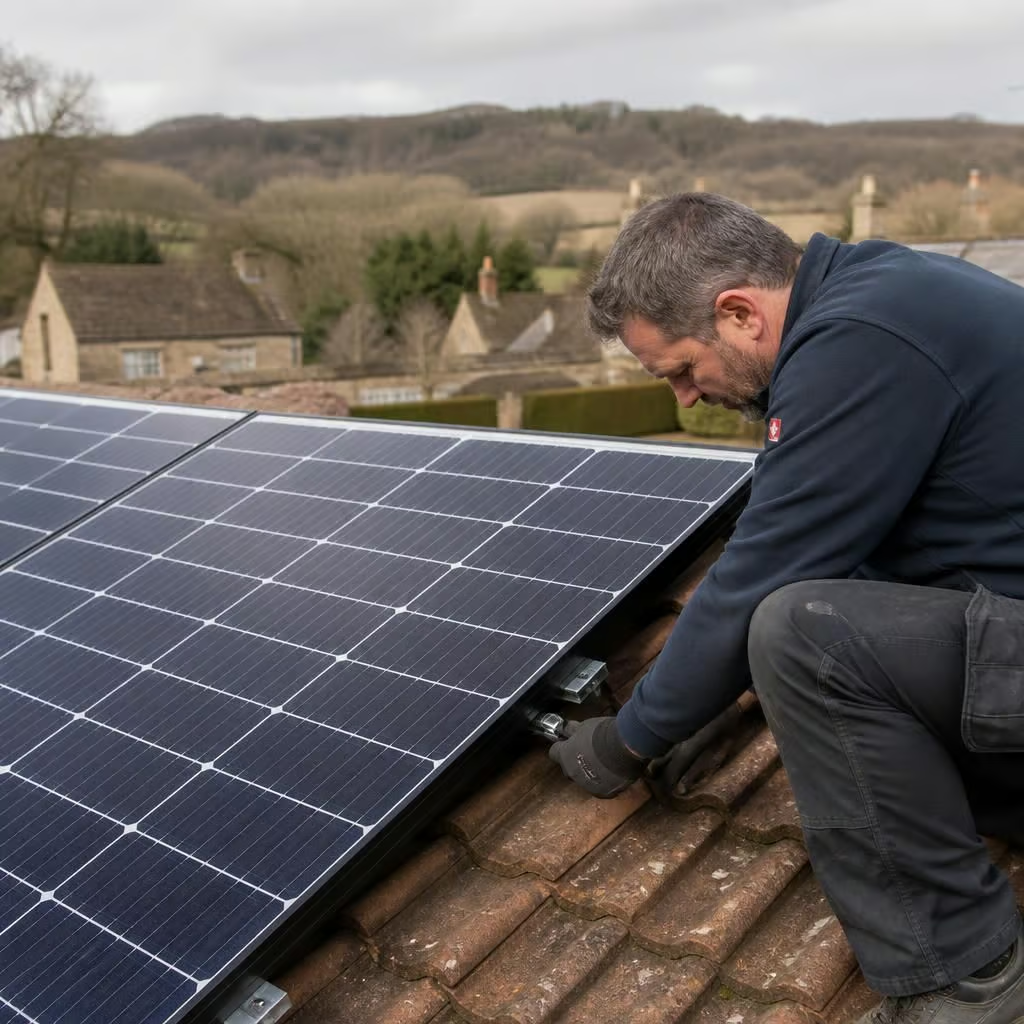
Older properties can reveal a problem only after a panel, cable route or connection is opened up. If that happens, we stop at the affected point and explain what we have found, why it matters and what alternatives exist.
We do not carry out additional work without agreeing the change with you first. That keeps an installation issue from becoming an unexpected alteration to the rest of your home.