
How long does commercial solar PV installation take?
A commercial solar PV installation may take several days on site, while the full project takes longer because survey, design, approvals and grid arrangements must come first. We’ll confirm the programme after assessing the roof, electrical system, access and the size of the proposed installation.
The calendar time for a commercial solar PV project is usually governed by the preparation around the installation, rather than by fixing panels to the roof. Once the design, permissions, grid requirements and site arrangements are ready, we can plan the fitting work with much greater certainty.
The first stage is confirming what the building can support. Your electricity use, roof area and available connection capacity all affect the design. We look at energy bills or half-hourly meter data, the roof covering, structure, access routes and the position of the main electrical equipment. A site with clear access and a straightforward roof can move through this stage more quickly than one needing structural work or specialist access equipment.
Roof condition matters before panels are fitted. If the covering needs repair or replacement, that work should happen first. Removing a solar array later is avoidable disruption, so we would rather identify the issue during the survey than install over a roof that is near the end of its serviceable life.
Grid approval can become the main part of the timetable. A larger commercial array may need approval from the Distribution Network Operator before it can connect. The application can involve the proposed inverter capacity, export limits, protection settings and the building’s existing supply. The network operator may approve the connection as designed, require export control or ask for reinforcement work. We cannot set the connection date until those requirements are clear.
Your building may also need permission from the landlord, managing agent, insurer or mortgage provider. Planning requirements depend on the building, the roof, its location and the proposed equipment. Listed buildings and properties in sensitive locations often need more careful discussion than a standard commercial roof. We account for those requirements before fixing an installation date.
Equipment and access arrangements are then coordinated around the site. A commercial installation may need scaffolding, a mobile elevating work platform, lifting equipment or controlled access to the roof. We plan cable routes, inverter positions and work areas with the person responsible for the building. If the premises remain occupied, the sequence can be arranged so that electrical isolation and roof access are controlled rather than left to the installation day.
The physical work normally includes mounting the support system, fitting the panels, running DC and AC cabling, installing protection and connecting the inverter to the building’s electrical system. The work may take longer where cable routes are lengthy, the switchgear needs alteration or the array is split across several roof areas. A ground-mounted array also brings different requirements for foundations, trenching and security.
Commissioning is part of the installation, not an optional final check. We test the array, inverter, protection and isolation points before the system is put into service. We also check monitoring, label the equipment and explain what the building operator should expect to see from the system. If the network operator requires additional witnessing, settings or notification, those steps must be completed before normal export can begin.
You should receive the information needed to operate and maintain the system, including test results, equipment details, electrical documentation and monitoring instructions. Where the installation meets the relevant requirements, MCS certification can support an application for the Smart Export Guarantee. The tariff and eligibility depend on the completed system and the current rules, so we work from the requirements in force when the project is commissioned.
Several issues can extend the overall programme:
- an application for a new or altered grid connection;
- structural strengthening or repairs to the roof;
- asbestos or other hazardous materials identified during planning;
- restricted access for lifting equipment or scaffolding;
- changes to the main distribution board, switchgear or protection;
- planning, landlord or conservation requirements; and
- export limits that require additional control equipment or a revised design.
Providing accurate electricity data, roof plans, asbestos information and details of the existing supply helps us design the system without avoidable revisions. It also helps to identify early whether the project needs a structural engineer, a planning application or further discussion with the network operator.
We give a clearer installation programme once the survey and design are complete. The quotation then sets out the proposed equipment, the work included and any assumptions about access, roof condition and electrical capacity. If those assumptions change, we explain the effect before work starts rather than adding unexpected charges later.
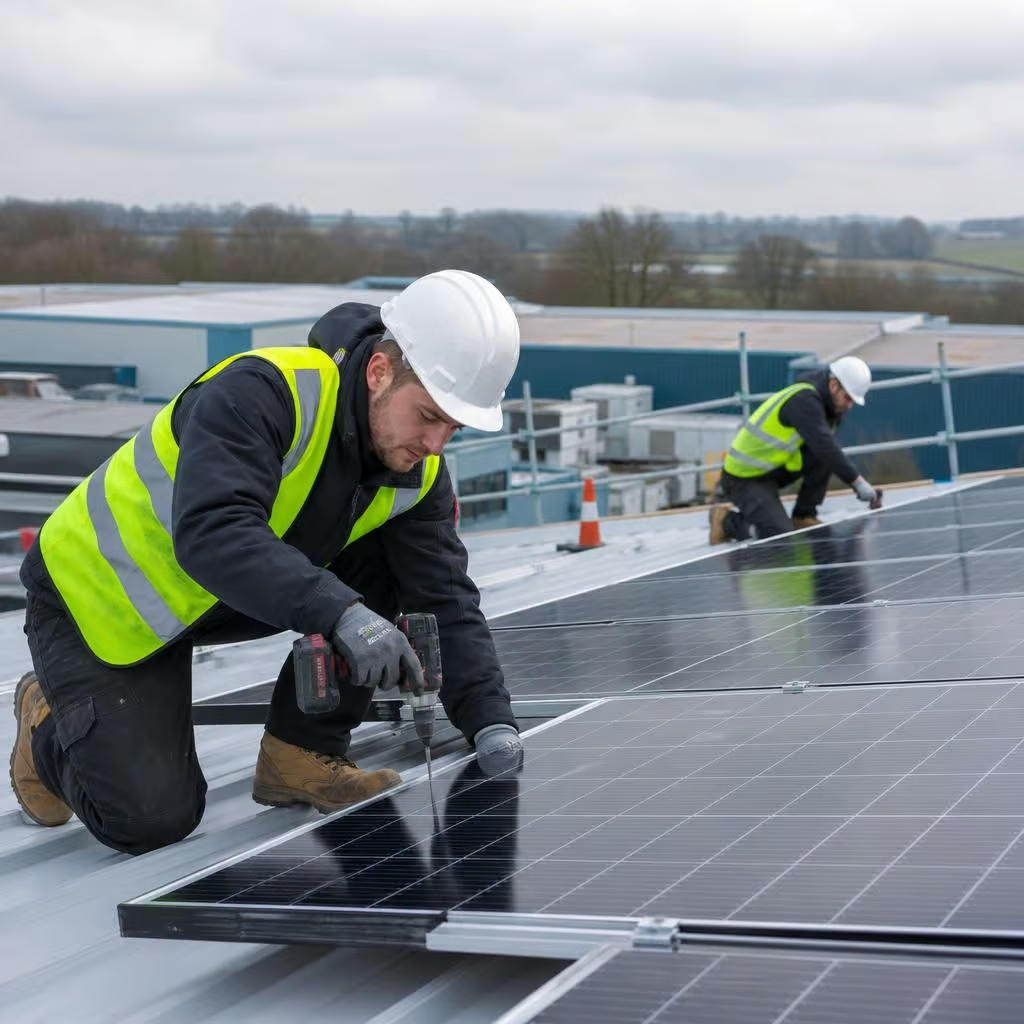
Weather can affect the fitting stage, even after the design and approvals are complete. Strong winds, heavy rain or icy conditions may make roof access unsafe, so we won’t send engineers onto a roof simply to keep to a date. We explain any change to the programme and rearrange the work when the conditions allow safe access.
For a commercial building, the installation date also needs to fit around deliveries, roof access and any planned electrical isolation. Agreeing those details with the person managing the premises beforehand reduces waiting on site and helps the installation run to the planned number of working days.