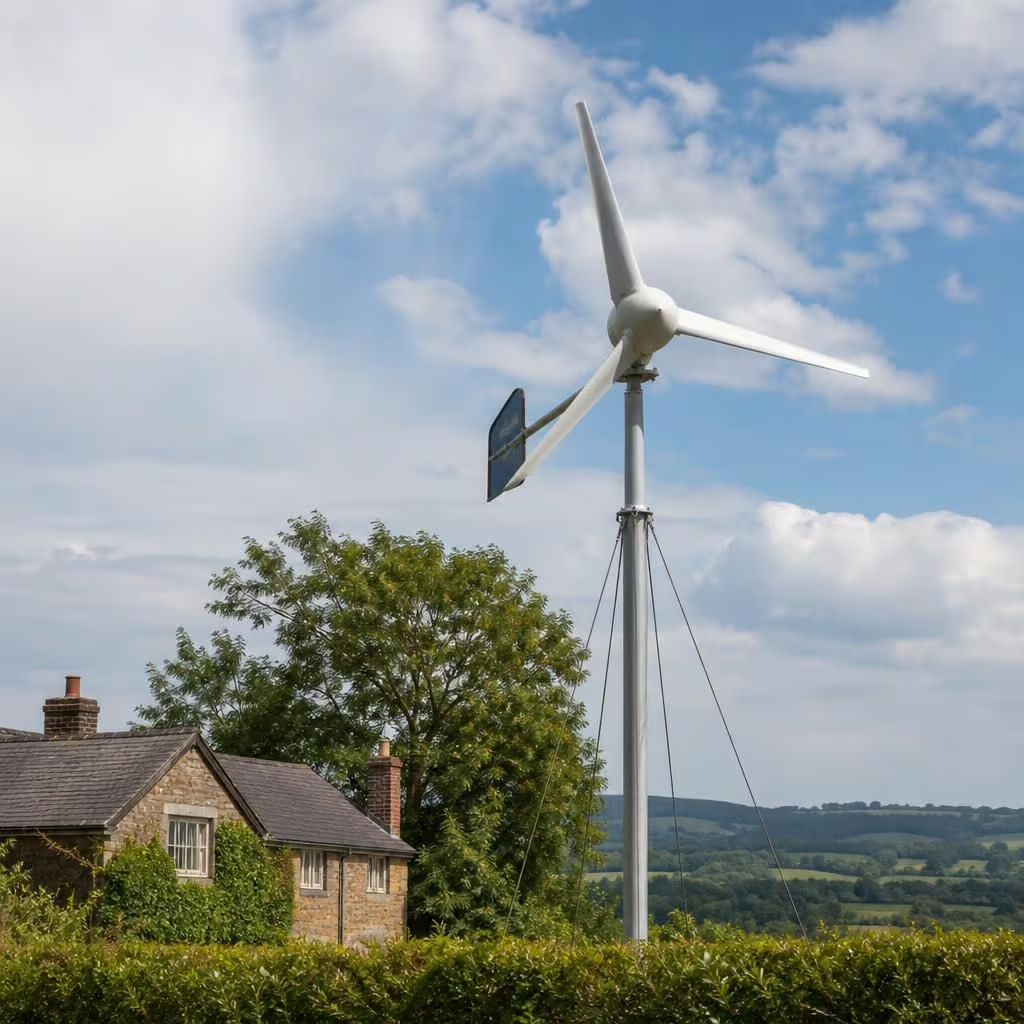
How much electricity can a domestic wind turbine generate?
A domestic wind turbine’s electricity output depends mainly on the wind speed at your site, the turbine’s size and how clear the surrounding land is. We assess these factors before installation, because a turbine on an exposed rural property may generate useful power while one sheltered by buildings or trees may produce very little.
A domestic wind turbine can generate useful electricity, but its annual output depends far more on the site than on the figure printed on the turbine. A turbine’s rated power is the maximum output in suitable wind conditions, not the amount it produces continuously. A well-sited machine may generate electricity across the year, while a similar turbine among buildings or trees may produce much less.
Output is measured in kilowatt-hours, not just kilowatts. Kilowatts describe the electricity being generated at a particular moment. Kilowatt-hours describe the total electricity generated over a day, month or year. This annual figure is what matters when we compare generation with the electricity your home uses.
A simple estimate starts with the turbine’s rated power and the amount of time it spends generating at different power levels. The manufacturer’s power curve shows how much electricity the turbine should produce at each wind speed. We then combine that information with the expected wind conditions at the proposed mast position. The result is an estimate of annual generation rather than a promise of a fixed output.
Average wind speed is the largest influence. Wind power rises sharply as wind speed increases. A small change in the average wind speed can therefore make a substantial difference to annual generation. A site that feels breezy at ground level is not automatically suitable. Local wind may slow around buildings, change direction or become turbulent behind trees and rooflines.
- Mast height: Wind is generally stronger and smoother higher above the ground. Raising the turbine clear of nearby obstructions can improve output, subject to the site and planning requirements.
- Obstructions: Trees, houses, barns, walls and neighbouring buildings can create turbulence. Turbulent wind makes the turbine work in constantly changing conditions and can reduce useful generation.
- Rotor size: A larger rotor sweeps a greater area and can capture more energy. The available wind still determines whether that capacity is used.
- Machine design: Different turbines begin generating at different wind speeds and reach their rated output at different points. We use the correct power curve rather than relying on the rated figure alone.
- Location: Open farmland, exposed ridges and clear coastal sites behave differently from sheltered valleys or built-up plots. A site’s surrounding terrain matters as well as the garden or roof itself.
A roof-mounted turbine often faces more turbulence than a free-standing mast. Nearby roof sections, chimneys and trees disturb the airflow, even when the roof appears exposed. A free-standing turbine may perform better where there is enough clear land and a suitable mast position. The best arrangement depends on the property, access, permissions and the wind conditions at the actual installation point.
Weather changes the output from one day to the next. A turbine may produce little during a calm period and generate considerably more during windy weather. Generation is also seasonal. Windier months may produce more electricity than still summer periods, although the exact pattern varies by location. An annual estimate smooths out these changes; it does not mean the turbine will deliver the same amount every month.
We look at the proposed turbine position, surrounding obstructions and the available wind information before discussing expected generation. A wind map can provide a useful starting point, but it cannot show every local effect. The valley, tree line, buildings and changes in ground level around a property may all alter the result. Where the site needs more investigation, we explain what the estimate can and cannot tell you before you make a decision.
The electricity generated first serves demand in the property when the turbine is producing. That might include heating controls, appliances, lighting, pumps or electric vehicle charging. If generation is higher than the home’s demand at that moment, the surplus can be directed to battery storage or exported, subject to the system design and the relevant grid and export arrangements.
A battery does not increase the amount of electricity the turbine generates. It can change when that electricity is used. For example, surplus generation at a windy time may be stored for later use when the turbine is producing less. The battery’s usable capacity, charge rate and the home’s demand profile all affect how much generation can be used on site.
For an off-gas-grid home, the useful comparison is not only the turbine’s annual generation. We also consider the property’s electricity demand, existing heating system, likely daytime and overnight use, and whether the site can accommodate the equipment. A turbine can produce power when solar panels are generating less, but that does not make a poor wind site suitable. We assess the actual property rather than treating wind generation as interchangeable with another renewable system.
The estimate should be read as a range of likely performance, not a guaranteed bill reduction. Electricity use varies between households, and grid export values and tariffs can change. We can work through how the expected generation may be used in the property, including the effect of storage, but the final financial case depends on the design and the way the household uses electricity.
After installation, the generation meter or inverter monitoring shows what the turbine is actually producing. Comparing those readings with the original estimate helps identify normal seasonal variation and any performance issue that needs investigation. A single still day does not show whether the system is working properly; the meaningful comparison is over a suitable period and against the wind conditions during that period.
The most reliable answer for a particular home comes from the turbine’s power curve, the proposed mast position and the site’s wind conditions considered together. The rated output on its own cannot tell you how much electricity a domestic wind turbine will generate.
A domestic wind turbine does not produce its rated output as soon as the blades turn. At low wind speeds, it may generate only a small amount. As the wind strengthens, output rises along the turbine’s power curve until it reaches its rated level.
In very strong winds, the controls may reduce output or stop the turbine to protect the equipment. This means a windy day does not necessarily produce continuous maximum generation. We use the manufacturer’s power curve with the expected wind conditions at the proposed mast position, so the annual estimate reflects how the turbine should behave in real weather.