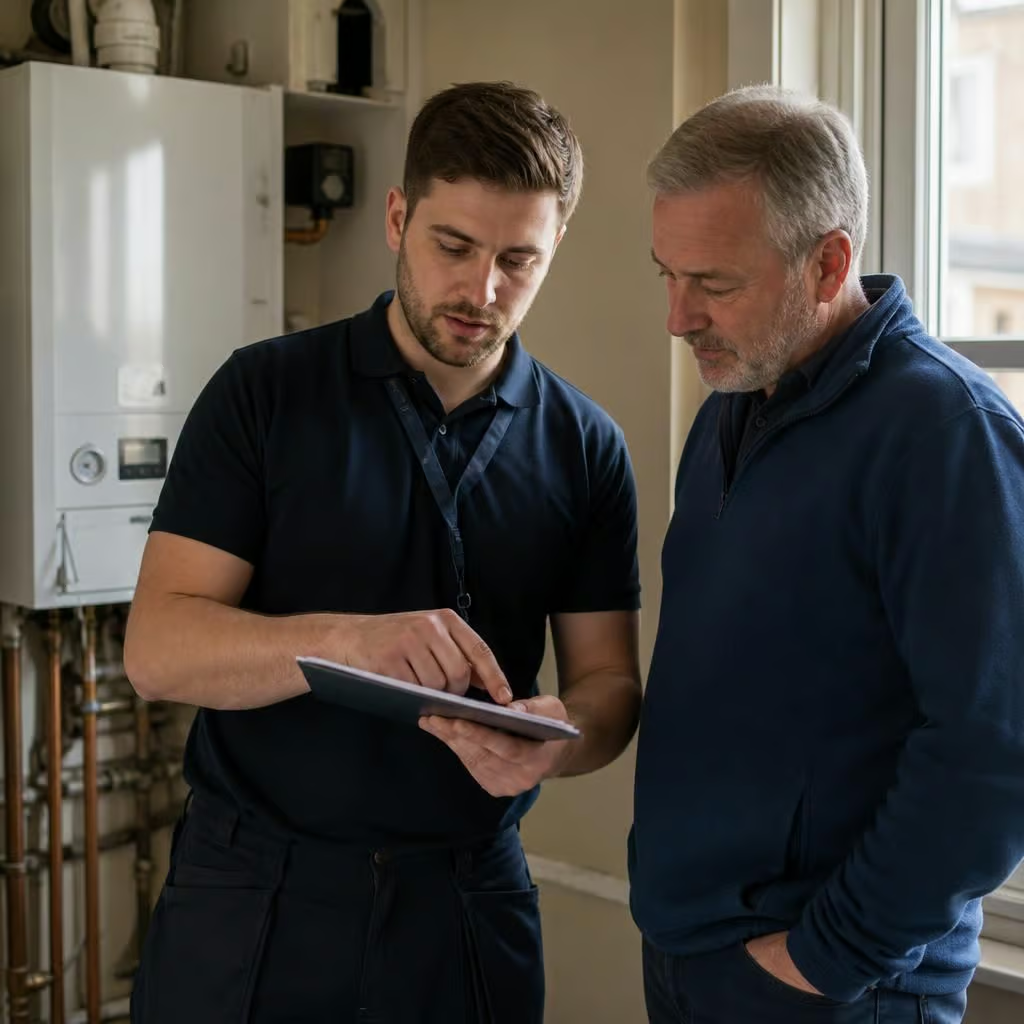
What happens if a landlord gas safety check finds a fault?
If a landlord gas safety check finds a fault, we explain its severity and may isolate the appliance if it’s unsafe to use. The landlord must arrange the repair, then have the affected appliance checked again so the gas safety record accurately reflects its condition.
The result depends on the defect’s safety classification. A serious danger means the appliance must stay out of use until a Gas Safe registered engineer has made it safe. A less serious defect may allow continued use, but the landlord still needs to arrange corrective work and retain the engineer’s advice.
The engineer records the appliance, flue and defect on the landlord gas safety record. The record should show what was inspected, the fault found and any action taken. If an appliance cannot be considered safe, it should not be treated as compliant simply because the rest of the property passed.
- Immediately Dangerous: using the appliance or gas installation creates an immediate risk. The engineer will normally disconnect or otherwise make it unavailable, label it clearly and explain why it must not be used.
- At Risk: continued use could become dangerous. The engineer will discuss the risk and the steps needed to prevent use or correct the fault.
- Not to Current Standards: the installation does not meet a newer standard, but it is not necessarily unsafe. The engineer records the issue and advises whether improvement or replacement is appropriate.
A landlord should not reconnect an appliance, remove a warning label or ask a tenant to keep using it. The repair, alteration or replacement must be carried out by someone registered to work legally on gas appliances. A tenant should report any fault promptly and avoid using equipment that has been marked unsafe.
The repair may involve more than the boiler itself. Common examples include a damaged flue, poor ventilation, failed safety controls, unsafe pipework, combustion problems or a carbon monoxide concern. We explain which part has failed, what makes it unsafe and whether repair or replacement is the sensible route.
If the property has an older boiler, the required part may no longer be available or the repair may not represent good value. In that case, we can set out the replacement options in writing before work starts. The quotation separates the necessary safety work from optional improvements, so the landlord can make an informed decision.
After the repair, we carry out the relevant safety checks again. The updated record should identify the work completed and confirm the condition of the appliances and flues inspected. The landlord should keep that paperwork with the property’s compliance records and provide the required record to the tenant.
A failed gas safety check does not automatically mean the whole heating system needs replacing. The outcome depends on the fault, the appliance’s condition, the flue arrangement and whether suitable parts are available. We assess those points before recommending replacement.
For an oil-fired property, this gas safety process does not replace the separate checks and responsibilities applying to the oil installation. The landlord should make sure each type of fuel system is inspected by an appropriately registered engineer.
If anyone smells gas, sees signs of scorching or suspects carbon monoxide, they should leave the area, avoid flames and electrical switches, and report the suspected gas emergency through the national gas emergency service. The appliance must not be used again until it has been assessed and made safe.
If the property is occupied, the landlord needs a clear record of what the tenant can and cannot use. We explain the restriction in plain terms and identify the appliance affected, rather than leaving the tenant with a general warning about the heating.
That makes the next step easier to manage. The landlord can arrange access for the repair, replacement or further investigation, while keeping the engineer’s findings alongside the property’s compliance records. Once the work is complete, we confirm which safety checks have been carried out and what remains outstanding.