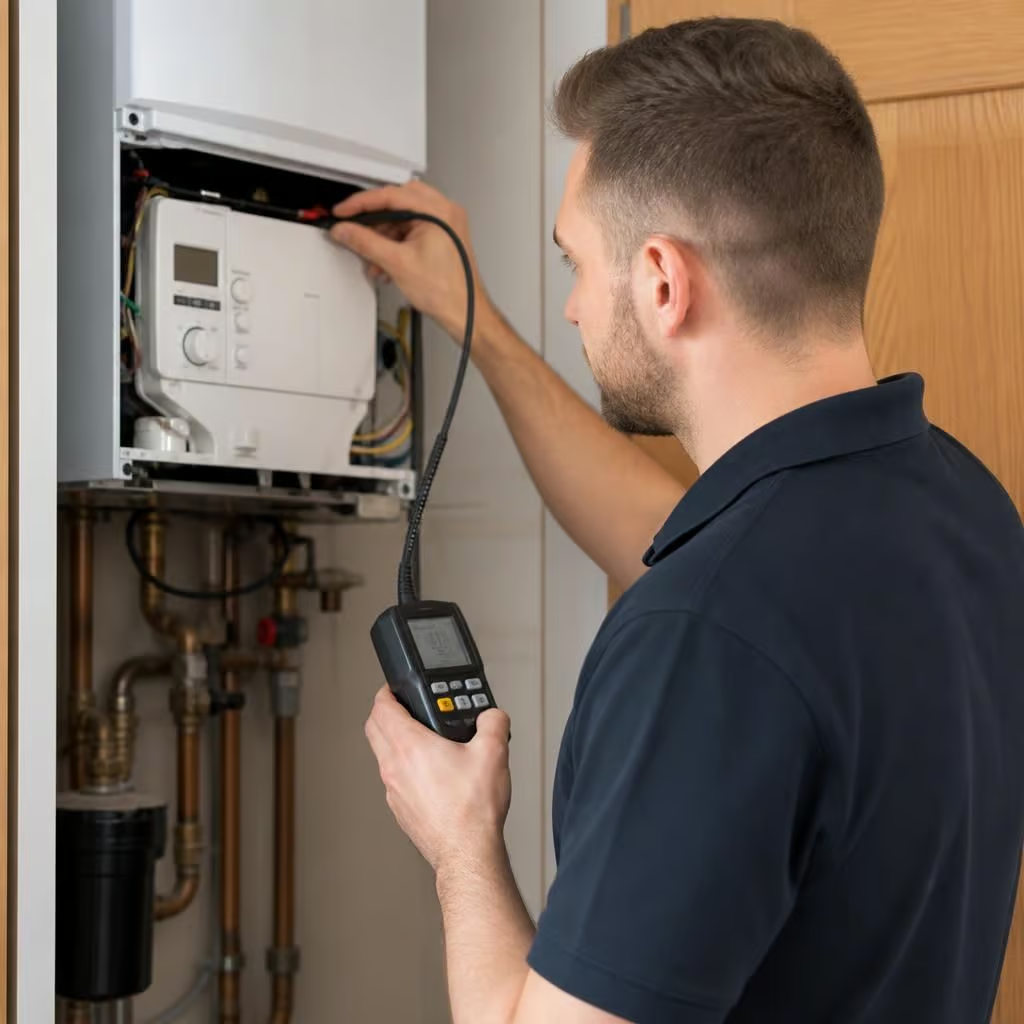
What does a CP12 gas safety inspection check?
A CP12 gas safety inspection checks gas appliances, flues, ventilation, gas tightness and safety controls to confirm they operate safely. We record the appliances inspected, any defects found and the action needed on the certificate.
A CP12 inspection confirms that the gas appliances and associated flues in a rented property are safe to use at the time of the check. We assess the installation, test the appliances in operation and document any action needed before the property is occupied.
The inspection normally covers:
- Gas appliances: We identify each appliance covered by the landlord’s responsibility, such as a boiler, gas fire, cooker or water heater. We check its condition, installation and operation.
- Flue safety: We examine accessible parts of each flue and check that combustion gases can discharge safely. Where appropriate, we use inspection equipment to assess parts of the flue that cannot be seen directly.
- Ventilation: We check that permanent air vents are present, correctly positioned and not obstructed. A room-sealed appliance still needs its flue and air supply assessed.
- Gas tightness: We test the gas installation for leaks and investigate any indication that gas is escaping.
- Combustion: We measure the appliance’s combustion performance where the appliance and test conditions allow. This helps identify unsafe burning and the production of carbon monoxide.
- Safety controls: We check relevant flame-failure devices, thermostats, pressure controls and other safety features to confirm that the appliance responds correctly.
- Appliance installation: We consider whether each appliance is suitable for the room, connected correctly and operating in line with the manufacturer’s requirements.
Your certificate records the property address, the appliances and flues inspected, the results of the tests, any defects found and the date of the inspection. It also identifies the engineer who carried out the work. A landlord can use that record to demonstrate that the required safety check has been completed.
We classify defects according to the level of risk. A minor issue may be recorded for attention, while a more serious defect can mean that an appliance must not be used until the problem is corrected. If we find an immediate danger, we explain the risk, make the appliance safe where necessary and record the action taken. We do not leave a tenant to interpret a technical fault from a certificate alone.
A CP12 inspection is not the same as a full boiler service. The safety check establishes whether the gas installation is safe to use. A service may include additional cleaning, maintenance and adjustment recommended for the particular appliance. A boiler can therefore pass a gas safety inspection while still needing routine servicing or repairs.
The inspection also does not certify every part of the property. It does not replace an electrical inspection, a carbon monoxide alarm check or a general assessment of the building. It covers the gas appliances and flues within the landlord’s responsibility. Appliances owned by a tenant may need to be identified separately, and inaccessible flue sections may limit what can be examined without further work.
Our Gas Safe-registered engineers explain any limitation before completing the record. If an appliance fails the safety assessment, we give the landlord a clear account of the defect and the work needed. A CP12 can only describe the condition found on the inspection date; it is not a guarantee that an appliance will remain safe if it develops a fault later.
For a rented property, the useful outcome is a completed gas safety record that shows what we inspected, what we found and what still needs attention. Keep it with the property’s gas safety records and provide the required information to the tenant in line with the landlord’s legal duties.
If a boiler, gas fire or water heater is behind a locked door, in a cupboard or in a separate building, we need access before we can include it in the inspection. We match each appliance to the property and check that the associated flue can be examined as far as the installation allows.
Tell us about any appliance that is rarely used, difficult to reach or showing staining, unusual smells or repeated shutdowns. That information helps us focus the inspection and explain any further investigation the installation may need. An appliance we cannot access cannot be treated as inspected, so the landlord may need to arrange a return visit before the record is complete.