
How disruptive is solar water heating installation?
Solar water heating installation is generally a planned job with limited disruption, but it can involve roof access, new pipework and space for a hot-water cylinder. We assess these requirements beforehand, so you know what access and internal work the installation will involve before it begins.
Solar water heating installation is usually a contained building job rather than a whole-house upheaval. Most of the activity takes place at the roof and around the hot-water system. You may hear drilling and need to keep parts of the property accessible, but normal routines can often continue elsewhere in the home.
The amount of disruption depends on the roof construction, the position of the existing hot-water equipment and the route between them. A straightforward roof and cylinder arrangement is simpler than a property with limited loft access, awkward roof coverings or a long internal pipe run. We identify these points during the survey and explain the likely sequence before we prepare the quotation.
What happens inside the property?
- We need access to the hot-water cylinder and the surrounding pipework.
- We may need to work in the loft or another area beneath the roof collectors.
- Pipework is connected between the roof-mounted collectors, the control equipment and the cylinder.
- Where the existing cylinder cannot accommodate the solar circuit, we discuss the necessary replacement before work begins.
- We protect floors and nearby surfaces while carrying equipment through the property.
The cylinder area is normally the main indoor focus. If it is in a utility room, airing cupboard or plant room, that space may be unavailable during the installation. We keep the affected area defined so that other rooms remain usable.
What happens on the roof?
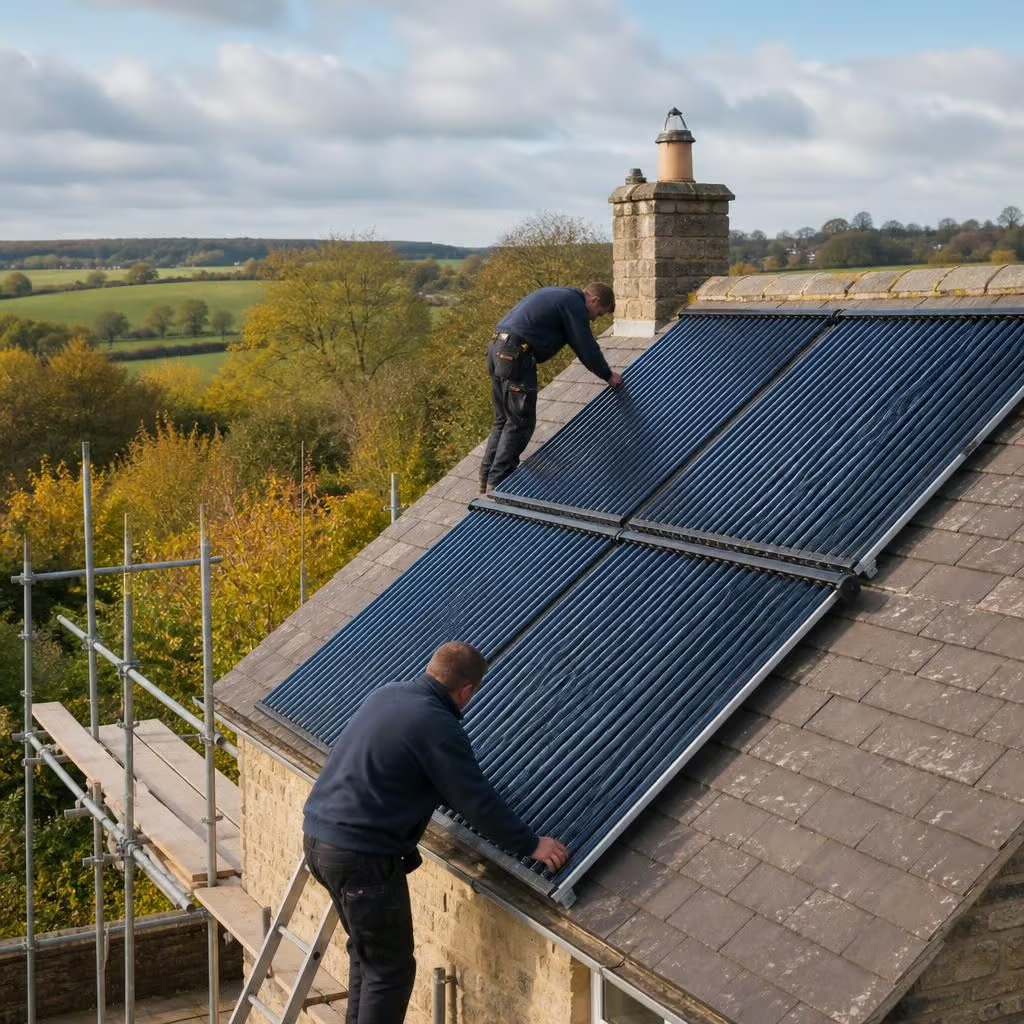
Roof work creates the most visible disruption. The installation may involve roof access equipment, lifting collectors and fixing them securely to the roof structure. The exact method depends on the roof covering and its condition. Older properties need particular care, especially where tiles are fragile, irregular or difficult to replace.
We assess the roof before agreeing the work. If the covering, structure or access presents a problem, we explain it rather than treating it as an issue to resolve on the day. This is important on solid-wall houses, barn conversions and listed properties, where access and appearance can need more careful planning.
How long will the work take?
There is no reliable installation time that applies to every home. The duration depends on the number and position of collectors, roof access, the cylinder arrangement and the amount of new pipework. A survey gives us enough information to describe the work involved and the expected schedule for that property.
Some tasks can be completed in sequence without affecting the rest of the house. Others, such as connecting the cylinder or commissioning the controls, require the hot-water system to be taken out of service temporarily. We explain when hot water will be unavailable so you can plan around it.
Will the work be noisy or messy?
You should expect some noise from roof fixing, drilling and pipework installation. The loudest work is usually concentrated around the roof and cylinder location rather than spread throughout the building. Dust and debris are possible when we create access points or alter existing connections, so we protect the work area and clear it as we go.
At the end, we remove installation materials, check the pipework and controls, and leave the affected areas tidy. We also show you how the system operates, including the controls that manage solar heat and any supplementary heating needed when solar energy is limited.
Can you stay at home during installation?
In many cases, yes, provided we can reach the roof, cylinder and relevant internal routes. You may need to avoid the work area and keep children or pets away from tools and access equipment. If the installation involves extensive internal alterations or difficult access, we explain that before the work is booked.
Older or rural homes do not automatically create more disruption. They can, however, have unusual roof layouts, older plumbing or limited space around the cylinder. Our experience with these properties helps us identify practical constraints early, so the installation plan reflects the building rather than assuming a standard modern layout.
Solar water heating is not installed by attaching collectors to the roof alone. The system has to work with the cylinder, controls and existing hot-water arrangements. A proper survey and a clear installation plan are what keep the work controlled and prevent avoidable changes once the job has started.
The finished installation should leave the home looking and working as expected, rather than creating follow-on work. We check that the collectors, cylinder, pipework and controls operate together before we pack away. You’re shown the settings and what to expect when solar input is lower, so the system is ready to use from handover.