
How much does a ground source heat pump cost?
Ground source heat pump costs vary widely because the ground loop, heat pump size, excavation, radiators and electrical work all affect the installation. We assess the property and ground conditions before giving a written quotation, so you can see the full cost and any grant funding that may apply.
There is no reliable single price for a ground source heat pump. The final cost depends mainly on the heat demand of the building, the type of ground collector and the condition of the existing heating system. A proper survey is needed before anyone can price the installation responsibly.
The ground collector is often the largest variable. A horizontal system needs enough suitable land for trenches, with access for excavation equipment. A vertical system uses boreholes and may suit a smaller plot, but drilling conditions and access affect the price. Ground conditions, buried services, drainage, trees and planning constraints can all change the work involved.
The quotation also needs to cover the heat pump, hot water cylinder, controls, circulation equipment and the connection between the collector and the house. Electrical work may be needed for the heat pump supply, consumer unit or other protective equipment. These items should be shown clearly rather than hidden within one unexplained installation figure.
Your existing heating system can make a significant difference. Older radiators may not release enough heat at the lower flow temperatures used by a heat pump. We calculate the heat loss in each room and check the radiator sizes before deciding what needs changing. Some homes need larger radiators, pipework alterations or better insulation in particular areas. Others may already have a suitable distribution system.
Older solid-wall houses, barn conversions and listed properties need a careful assessment rather than a standard package. The building fabric, room layouts, insulation opportunities and available space for plant all affect the design. For an oil- or LPG-heated home, we also compare the proposed electricity use with the present heating costs, hot water demand and fuel delivery arrangements.
The installation cost is only part of the decision. Running costs depend on the heat loss of the home, the temperature you choose, the electricity tariff, hot water use and how well the system is controlled. We use the survey information to discuss expected electricity use and compare it with the current system. That gives you a property-specific view of likely savings and payback instead of a headline estimate.
Grant support may reduce the amount you need to fund. The position can change, so it should be checked when the project is planned. Because our renewable installations are MCS-certified, we can make a Boiler Upgrade Scheme grant application on your behalf when the property and installation meet the scheme requirements. MCS certification also means the completed system can be eligible for the Smart Export Guarantee if it meets the relevant conditions, although ground source heating itself does not generate electricity.
A written quotation should separate the main elements of the work. Look for the following items:
- the heat pump and associated controls;
- the horizontal trenches or vertical boreholes, including excavation, drilling and reinstatement;
- the ground collector pipework, antifreeze mixture and connections into the property;
- the hot water cylinder and any changes to the heating controls;
- radiator, pipework, insulation or electrical upgrades identified by the survey;
- commissioning, system documentation and any grant administration;
- assumptions about access, ground conditions, planning and making good.
Ground conditions deserve particular attention. A quote based on straightforward excavation may need review if rock, contaminated soil, buried services or restricted access is found. We discuss those assumptions before work starts and provide a written quotation, so you can see what is included and what could alter the price.
The cheapest installation figure is not necessarily the lowest-cost choice over the system’s life. An undersized heat pump, inadequate radiators or poorly designed controls can increase electricity use and leave rooms colder than expected. A sound design balances the collector size, heat pump capacity, emitter temperatures and hot water requirements.
Maintenance costs are usually easier to understand when the installation includes clear information about the equipment, controls and service requirements. Keep the system records and commissioning details, especially if a grant or export arrangement is involved. If a fault develops, the installer needs those details to identify whether the problem is with the heat pump, circulation system, controls or electrical supply.
We start by looking at the building rather than assuming that every property needs the same equipment. The survey covers heat loss, radiators, pipe routes, electrical capacity, hot water arrangements, land or drilling access and the practical route into the house. You then receive a written quotation based on the work your property actually needs.
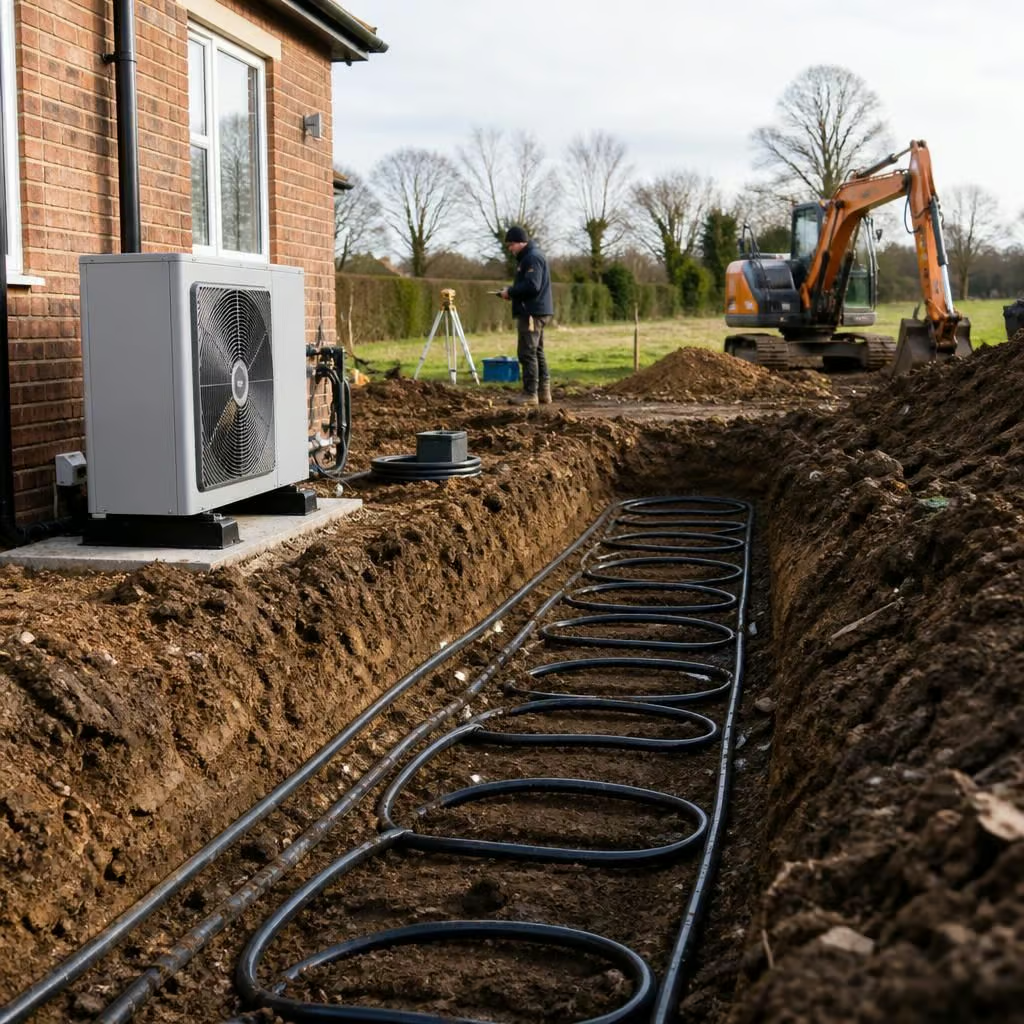
Ground source heat pumps usually cost more to install than air source systems because the ground collector must be excavated or drilled before the indoor equipment is connected. Much of that extra cost sits outside the house, in the trenches, boreholes, pipework and reinstatement.
That makes the available land and access important parts of the price. We assess the site before recommending a ground source system, so the quotation reflects the ground array your property can actually accommodate rather than an indoor unit priced in isolation.