
What maintenance does a new combi boiler need?
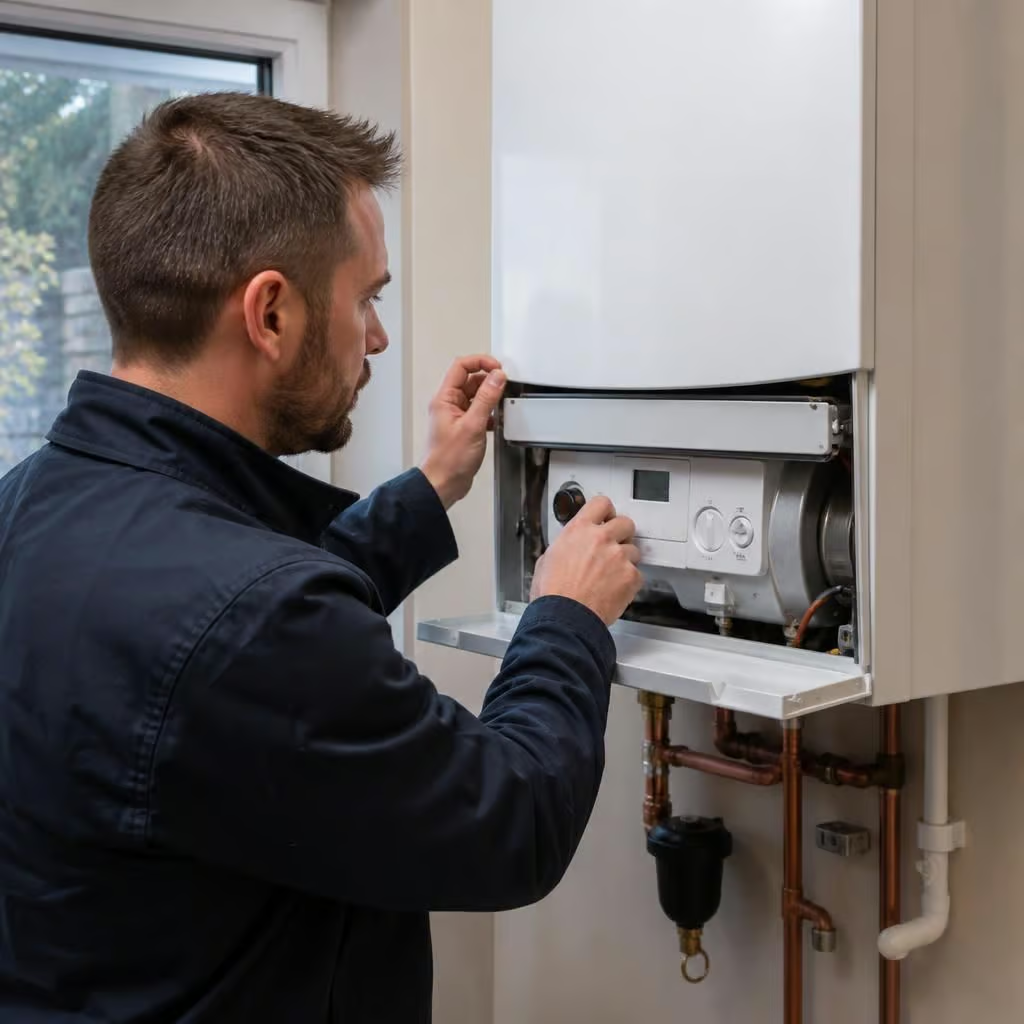
A new combi boiler needs an annual service by a Gas Safe registered engineer, along with simple checks such as monitoring system pressure and keeping the condensate pipe clear. We inspect the boiler, flue, controls and heating system, then explain any maintenance needed before it affects reliability or safety.
A new combi boiler needs little day-to-day maintenance, but it does need proper servicing, sensible care and prompt attention when something changes. That keeps the appliance working safely and helps small faults stay small.
Keep the boiler area clear
Stored items, coats and cleaning products should not obstruct the boiler, its air supply or the access needed for inspection. Don’t cover the appliance or use its casing as a shelf. Your engineer needs clear access to the controls, pipework and internal components when carrying out maintenance.
External flues also need to remain unobstructed. Check that new building work, signs, vegetation or stored materials have not been placed around the terminal. Never alter the flue or remove its guards yourself. A change to the flue route can affect the safe removal of combustion gases.
Use the controls rather than repeatedly switching the boiler off
Modern controls work best when the heating is managed through the programmer, room thermostat and radiator thermostats. Set the heating schedule around how the home is used, then adjust the temperature gradually. Repeatedly turning the boiler power off can leave the system without frost protection and may make fault-finding harder.
If the boiler is connected to a smart control, keep its batteries charged and make sure the receiver has power. A control fault can look like a boiler fault, even when the appliance itself is working correctly.
Pay attention to changes in performance
Your boiler may need attention if hot water becomes inconsistent, heating takes longer to reach temperature, pressure repeatedly falls, or unusual noises develop. Error codes are useful information, so note the code before resetting the appliance. Repeated resets should not replace an inspection.
Water around the boiler, staining beneath a connection or a persistent smell should also be treated seriously. Turn the appliance off if it appears unsafe, and arrange an inspection by a Gas Safe registered engineer. Never remove the boiler casing or attempt to adjust combustion settings yourself.
Protect the central-heating system
Radiators that stay cold at the top, make persistent gurgling sounds or need frequent bleeding may indicate air in the system or another underlying issue. A radiator that remains cold at the bottom can point to a build-up of debris. Bleeding a radiator can be suitable in some situations, but repeated problems need investigation rather than repeated bleeding.
During maintenance, we can assess the condition of the system water and check whether dirt, corrosion or scale is affecting circulation. A magnetic filter may also need cleaning if one is fitted. Keeping system water in good condition helps protect the heat exchanger, pump and other components.
Older radiators and pipework can continue working with a new combi boiler, but their condition still affects performance. If some rooms heat unevenly or the boiler cycles frequently, we look at balancing, controls, circulation and radiator sizing before suggesting unnecessary replacement.
Take extra care in hard-water areas
Hard water can contribute to scale inside the domestic hot-water side of a combi boiler. Symptoms may include reduced hot-water flow, temperature fluctuations or a whistling noise when hot water is running. The right response depends on the water supply and the boiler design. We assess the cause before recommending treatment or changes to the system.
Keep the paperwork
Keep the installation documents, service records and any warranty information together. The service record shows what was checked, highlights developing issues and gives the next engineer useful history if a fault occurs.
Warranty terms commonly require maintenance to follow the manufacturer’s instructions. Missing scheduled servicing or using an unqualified person can affect a warranty claim, so check the paperwork supplied with the boiler. We explain any actions needed after servicing and provide written details of repairs or recommendations.
Maintenance in an older home
A new boiler may be reliable while the rest of the heating system is ageing. Older pipework, sludge, restricted valves and an unsuitable system pressure can all affect the appliance. This does not automatically mean the installation is unsuitable, but it does make the condition of the wider system important.
We look at the boiler alongside the radiators, controls and pipework when a problem keeps returning. That approach helps identify whether the boiler needs attention or whether another part of the heating system is causing the symptom.
For an oil-fired property, maintenance must be carried out by an engineer registered for that type of appliance. For a gas combi boiler, Gas Safe registration is the legal requirement for anyone working on it. Our heating engineers use the service visit to explain what needs monitoring and what can safely wait.
If the condensate pipe runs outside, freezing weather can stop the combi boiler from operating. Look for an error code or gurgling from the pipe, then thaw it with warm water or a suitable heat pack. Don’t use boiling water or a naked flame. If the boiler still won’t restart, we can inspect the pipe, its fall and the termination point so the same problem is less likely to return.