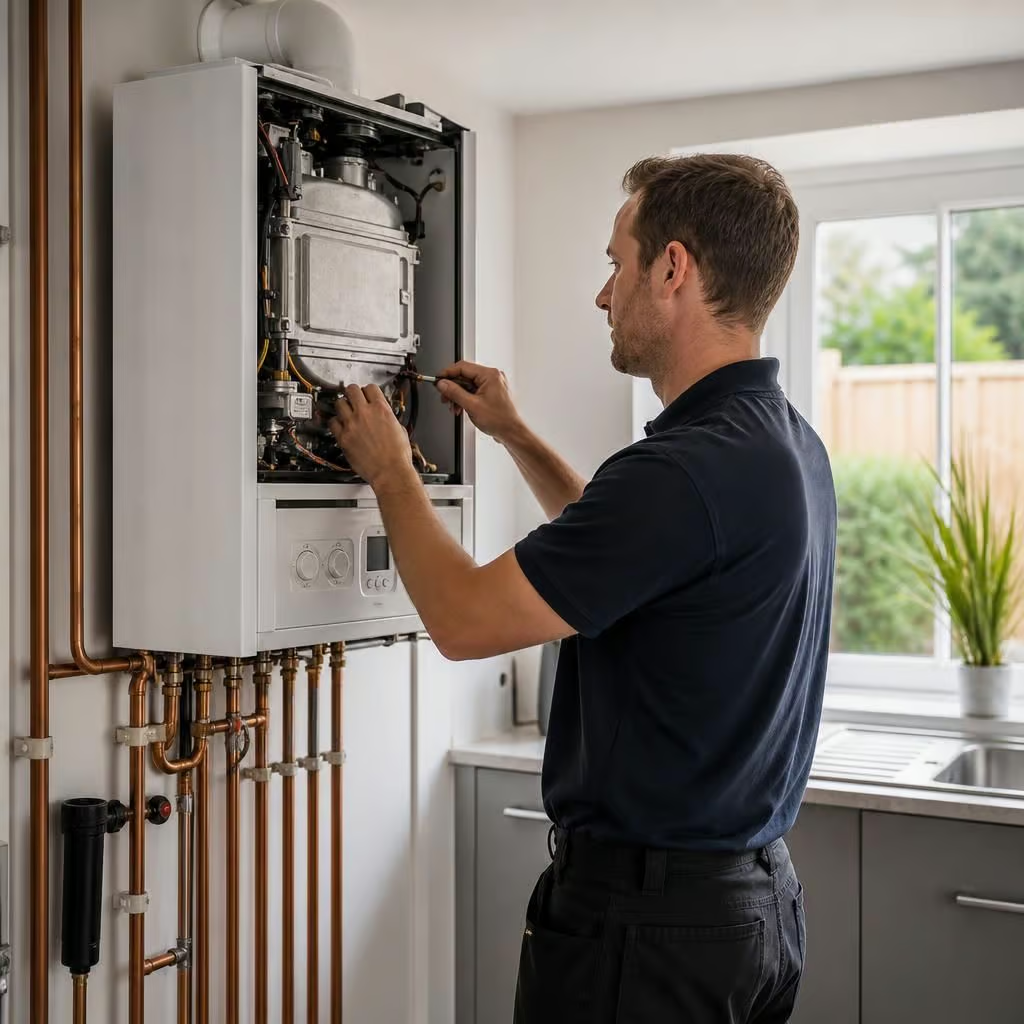
What affects the cost of installing central heating?
Central heating installation cost depends on the boiler type and output, property size and layout, pipework, radiators, controls and access. We assess these during a survey, then provide a written quotation covering the required work before installation starts.
The biggest difference in central heating installation cost is the amount of new work your home needs. Replacing an existing boiler on the same system is usually less involved than installing heating for the first time, changing fuel, or altering the layout throughout the property.
Replacing a boiler or installing a complete system
A boiler replacement may allow us to retain much of the existing heating system. We still check whether the pipework, controls, pump, expansion vessel and hot water arrangements are suitable for the new boiler. If they are sound and correctly sized, the installation can be more contained.
A new central heating system involves more equipment and labour. We may need to install new flow and return pipework, radiators, controls, a hot water cylinder or other components. A home without existing wet central heating will therefore cost more to equip than one receiving a straightforward replacement.
The type of fuel and boiler
Gas, oil and LPG systems need different equipment and installation work. A property off the gas grid may need an oil or LPG boiler, with checks to the fuel supply, storage arrangements, flue and plant-room position. An oil-fired system also needs suitable access for servicing and safe oil-line routing.
Gas boiler work must be carried out by a Gas Safe registered engineer. For an oil-fired system, OFTEC registration covers the work that matters to the boiler and fuel installation. These requirements can affect the scope of the job, particularly where an older system does not meet current standards.
Boiler output and the heating design
A larger house does not automatically need the largest boiler. We assess how much heat the rooms lose, then select an output that matches the property and hot water demand. An incorrectly sized boiler can add unnecessary cost without improving comfort.
Room use, extensions, high ceilings, solid walls, insulation and exposed positions can all influence the design. Older houses and barn conversions often need more careful assessment because their construction differs from a modern, insulated home. We use the survey to identify where the existing system may need adjustment rather than making assumptions from floor area alone.
Radiators and hidden pipework
Existing radiators may be reusable if they are in good condition and provide enough heat for the redesigned system. Some need replacing because they are corroded, damaged, poorly positioned or too small for the room. A change in boiler or system design can also expose problems that were hidden by the old installation.
Pipework is another potential cost. Pipes beneath solid floors, behind finished walls or within difficult roof spaces take longer to reach and replace. If the route can be altered through accessible cupboards, floors or loft areas, the work may be less disruptive. We explain the practical options before work starts.
Controls, hot water and zoning
The price also depends on how much control you want over different parts of the home. A basic arrangement may serve the property as one heating zone. Larger or extended homes may benefit from separate controls for upstairs, downstairs or an independent hot water circuit.
We also check whether the cylinder, programmer, thermostats and valves are compatible with the new system. Keeping unsuitable controls can limit the performance of a new boiler. Replacing them adds to the installation cost but may avoid paying for equipment that cannot manage the system properly.
Flue, condensate and electrical requirements
The boiler position affects more than the appliance itself. A new flue may need to pass through a different wall or roof, and the condensate pipe needs a suitable route to a drain or other approved connection. Listed buildings, solid walls and awkward external elevations can make these details more involved.
The heating system also needs a safe electrical supply and correctly connected controls. If the existing wiring is unsuitable, we identify the required electrical work rather than leaving it to be resolved during installation.
Access and the condition of the old system
Restricted access can increase labour time. Narrow stairways, limited parking, occupied rooms and equipment located in a loft or outbuilding all affect how we bring materials in and remove the old system. We also allow for draining, dismantling and disposing of redundant equipment where that forms part of the agreed work.
Removing old radiators and pipework may require lifting floors, opening boxing or making good around fittings. We discuss the likely disruption and separate any work outside the heating installation clearly, so the quotation reflects what is included.
What a proper quotation should show
A low headline price may exclude important parts of the installation. Check that the quotation identifies the boiler and output, controls, radiators, flue work, condensate route, pipework alterations, electrical connections, removal of old equipment and any making-good arrangements.
We survey the property before pricing the work and provide a written quotation. If we find a condition that changes the proposed installation, we explain it before proceeding. That gives you a clearer comparison between quotations and avoids treating essential work as an unexpected extra.
For an older or off-gas-grid home, the survey is particularly important. The cheapest equipment is not necessarily the lowest-cost installation if it requires extensive alterations or cannot work properly with the existing layout. We set out the practical choices so you can decide how much of the system to replace now and what can reasonably remain.
The installation price should include commissioning the finished system, not just fitting the boiler and radiators. Once the work is complete, we fill and vent the system, check the controls and safety devices, and balance the radiators so heat reaches each room properly.
If the existing system contains dirty water or sludge, cleaning may be needed before the new boiler can work reliably. We identify this during the survey and show it clearly in the quotation, rather than leaving an essential part of the work to be decided after installation.