
How long does installing an EV charger take?
A straightforward home EV charger installation is often completed in a single visit. Older wiring, a longer cable route or consumer unit work can extend the job, so we confirm the likely timescale after checking your parking space and electrical setup.
There is no single installation time for every home. A standard job can usually be planned as one appointment, while a longer cable route or electrical upgrade adds work before the charger can be commissioned.
What happens before installation
We start by confirming where you park, where the consumer unit sits and how the cable can reach the charger. A clear route through the house, garage or outside wall makes the work more predictable.
Your existing electrical installation also matters. We check the consumer unit, earthing arrangement, available capacity and the condition of the cable route. If the board needs upgrading, or the cable cannot be safely run from the existing position, we explain that before work starts.
Some homes need more preparation than others. A detached garage may require a longer underground route. Thick masonry, outbuildings, paving and difficult access can add work. An older property may also need remedial electrical work before it can safely support a dedicated charge point.
What takes place on the day
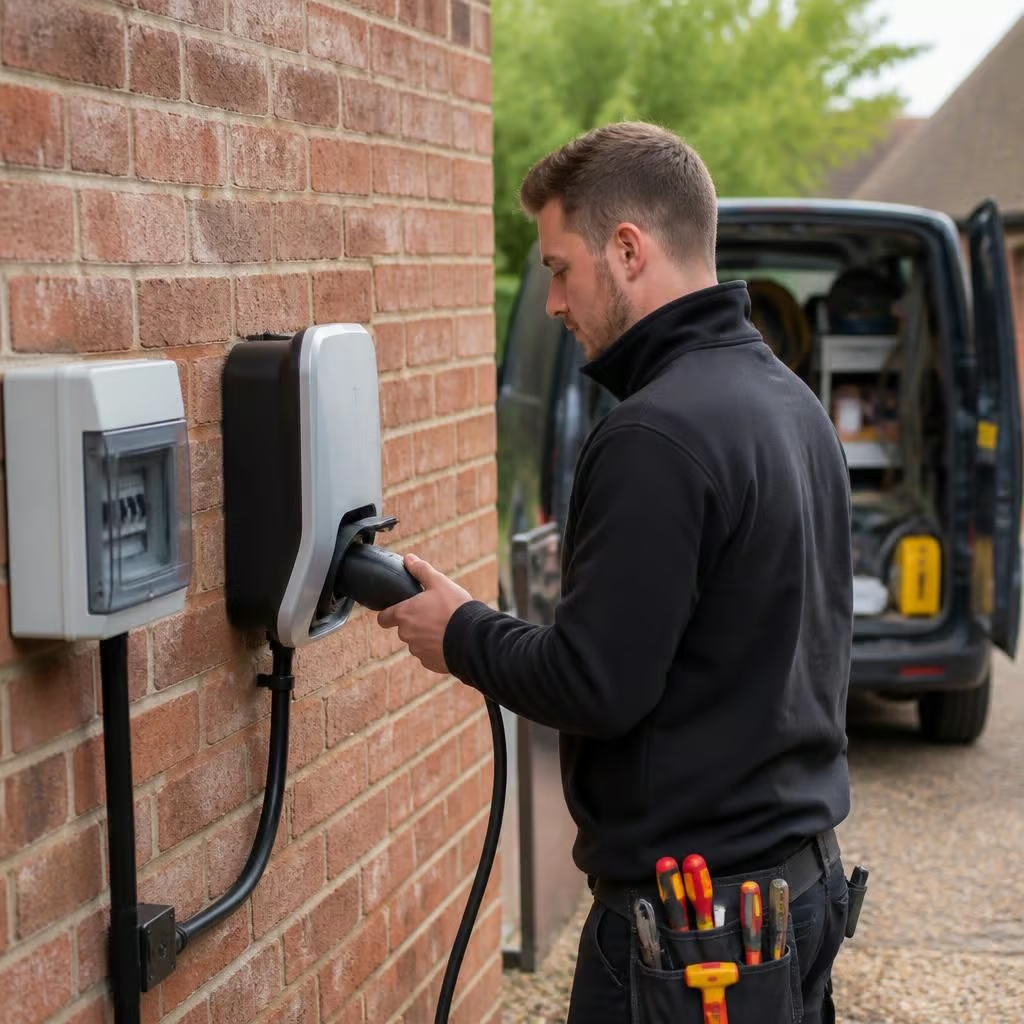
We agree the charger position and cable route with you before drilling or fixing anything. The engineer then installs the protective equipment, runs the supply cable, mounts the charger and connects it to the electrical installation.
Most of the disruption is limited to access along the cable route. We may need to drill through an external wall, lift a small section of flooring or use external cable protection. Where cables run outdoors, we choose a route that protects them from damage and keeps the finished work tidy.
If the cable needs to cross a garden, driveway or paving, the installation takes longer because the route must be excavated and made safe afterwards. We set out this additional work in the quotation rather than adding it unexpectedly during the installation.
Testing and handover
Once the charger is connected, our NICEIC-registered electricians test the circuit, protective devices and charger operation. We configure the unit where required and check that it communicates correctly with the vehicle or charging app.
You receive the relevant electrical certification and information needed to use the charger safely. We also explain the controls, charging schedule and any load-management features, so you know what the charger is doing when other appliances are running.
When the work needs more than one stage
A charger installation may need separate electrical work if the consumer unit is unsuitable, the earthing arrangement requires attention or the supply cannot support the proposed charging equipment. A trench or substantial cable route may also need to be completed before the charger can be connected.
In those cases, we tell you which work affects the timescale and why. You can then decide whether to proceed with the required upgrade, change the charger position or choose a different route. We provide a written quotation before work starts, with no surprise charges.
For a clear estimate, send us photographs of the consumer unit, the parking position and the route between them. We can then identify likely complications before arranging the installation, although some properties still need an inspection before the final plan is confirmed.
The time spent installing the charger is separate from the time needed to prepare the job. Once we have the photographs or completed an inspection, we can confirm whether the work is suitable for one appointment or needs preparation first.
That distinction helps you plan around other electrical work, driveway access or building work. The quotation sets out the installation work and any preparation needed, so the expected timescale is clear before you commit.
Get a clear timescale for your EV charger installation
If you’re planning an EV charger installation, send us photographs of the consumer unit, parking position and proposed cable route. We’ll use them to discuss the likely installation plan and arrange an inspection if the property needs a closer look.