
What electrical certification will I receive after a Zappi or Ohme installation?
After your Zappi or Ohme installation, we provide an Electrical Installation Certificate with the inspection record and test results for the new circuit and charger. Where required, we also notify building control under Part P, giving you the compliance paperwork for the work.
The main document is the Electrical Installation Certificate (EIC) for the new charger circuit. It records what we installed, which parts of the wiring system we tested and whether the completed work met BS 7671 at the time of inspection.
The certificate pack normally includes:
- the EIC, signed by the person responsible for the design, installation and inspection;
- a schedule of inspections, showing the checks made on the installation;
- a schedule of test results, including readings from the protective devices, wiring and earthing arrangements;
- details of the Zappi or Ohme unit, its supply and the protective equipment serving it;
- the relevant Building Regulations compliance record; and
- confirmation of any electricity network notification made for the installation.
The test results show more than simply whether the charger powers up. We check the circuit’s continuity, insulation resistance, polarity, earth fault loop impedance and operation of the RCD protection. These checks help confirm that a fault should disconnect the supply safely rather than leave dangerous voltage on exposed metalwork.
Where the installation uses protective equipment for a PME supply, we also record the measures used to manage a lost neutral or PEN conductor fault. The exact arrangement depends on the incoming supply and the charger. We establish that during the survey rather than assuming every home can use the same protection.
The paperwork also reflects any changes made inside the property. If the charger needs a new circuit from the consumer unit, the certificate identifies that circuit and its protective device. If the consumer unit needs work, such as additional protection or a change to its enclosure, those alterations are included in the inspection and test results.
A charger manufacturer’s commissioning record is separate from the electrical certificate. It may show that the unit has been configured, connected to the home network and set up with features such as scheduled charging or solar diversion. That record does not replace the electrical testing paperwork. We provide the relevant commissioning information alongside the electrical documents where it forms part of the installation.
For a Zappi installation, the handover information may include the settings used for solar diversion or load management. For an Ohme installation, it may include the connection and account details needed to operate its smart charging functions. We explain the settings that affect charging at the property, so the controls are not left as unexplained defaults.
You should keep the certificate pack with the home’s other electrical records. It can help a future electrician understand the charger circuit, assist with fault-finding and provide evidence of the work if the property is sold or let. If the charger is later moved, replaced or connected to a different supply, the new work needs its own assessment rather than relying on the original certificate.
We give you the completed paperwork after the installation and explain anything that needs attention. If the existing consumer unit, earthing or supply cannot support the proposed arrangement safely, that is dealt with before the charger is commissioned, not hidden behind a certificate issued afterwards.
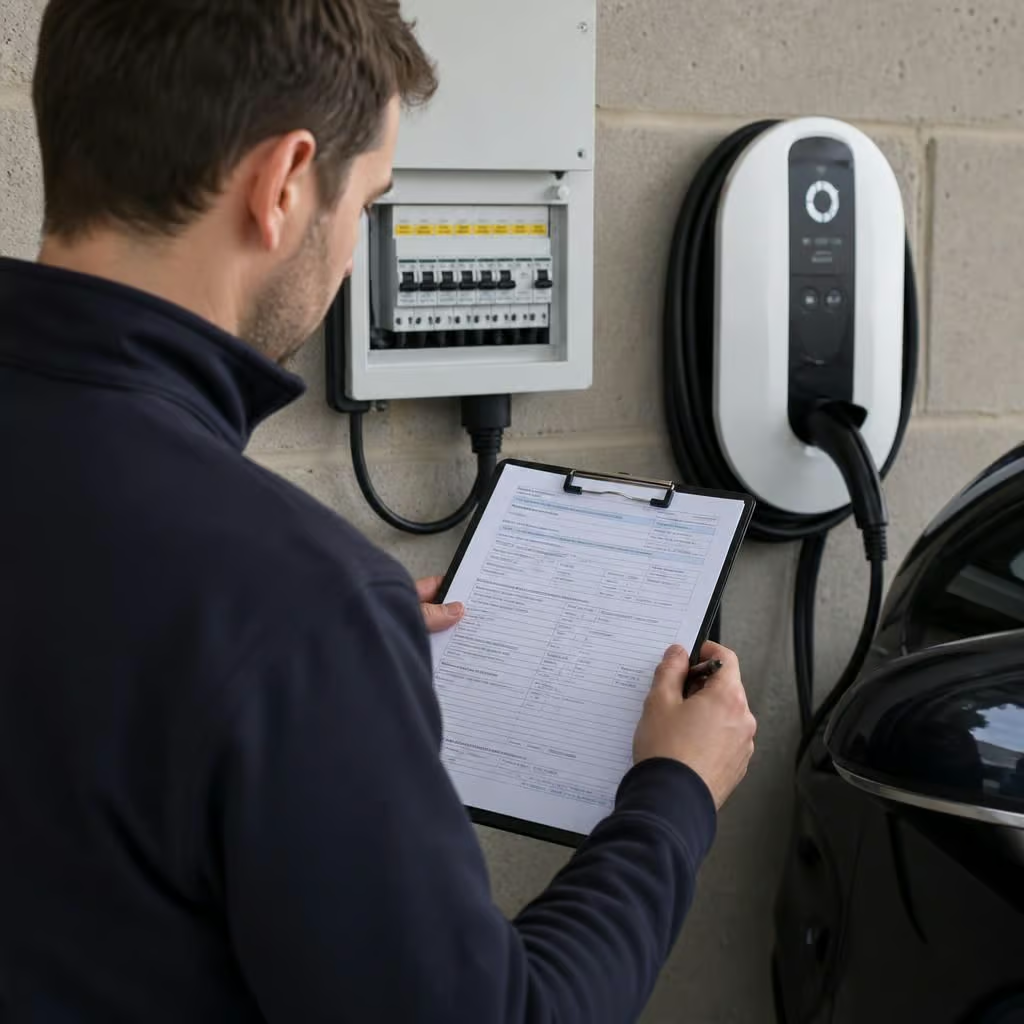
The certificate covers the electrical installation completed at the property, rather than the charger’s app account or electricity tariff. Changing charging schedules or user details won’t alter it. Physical changes to the circuit, consumer unit or charger need separate electrical work and certification.
When you receive the pack, check that the address, charger circuit and installation date match the work completed. Keep the documents with the property records, so the electrical details are clear if another contractor later works on the installation.