
What paperwork will I receive after domestic electrical installation?
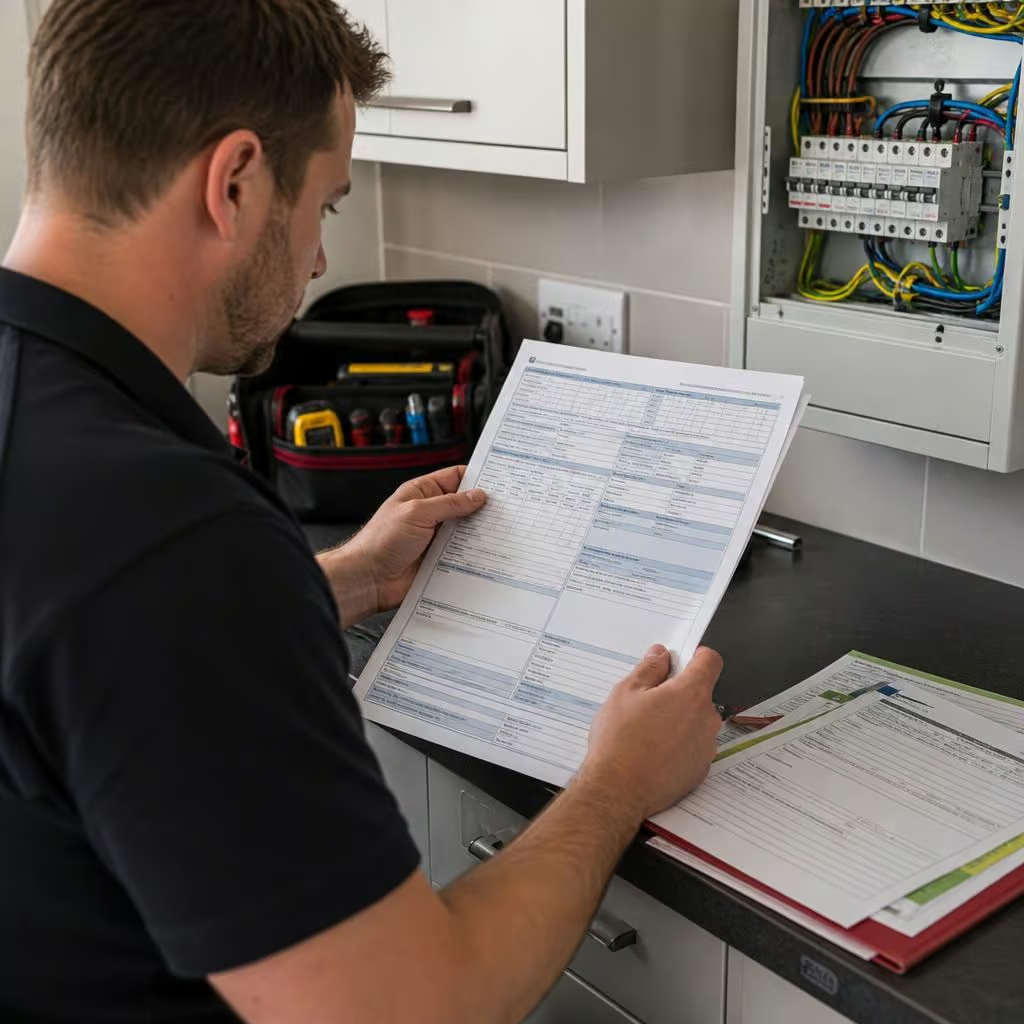
After the work, we give you the appropriate electrical certificate, such as an Electrical Installation Certificate or Minor Works Certificate, together with the test results. Where the installation is notifiable under Building Regulations, you’ll also receive the relevant compliance certificate.
The paperwork depends on the work completed. A new installation or substantial alteration normally comes with an Electrical Installation Certificate, while a smaller addition or alteration may need a Minor Electrical Installation Works Certificate. We include the inspection and test information that supports the certificate.
Electrical Installation Certificate
For a new installation, rewire or significant alteration, the Electrical Installation Certificate records who designed, installed and inspected the work. It confirms that the installation was assessed against the requirements used for the job and identifies the parts of the property covered.
The certificate is supported by two schedules:
- Schedule of Inspections — records the visual checks carried out on the installation.
- Schedule of Test Results — records readings from tests such as continuity, insulation resistance, polarity and circuit-protection checks, where relevant.
These records give you more than a statement that the work is complete. They show what we checked and provide useful information if another electrician needs to trace a fault or extend the installation later.
Minor Electrical Installation Works Certificate
A smaller job, such as adding a socket, changing part of a circuit or making a limited alteration, may be covered by a Minor Works Certificate rather than a full Electrical Installation Certificate. We use this where the work does not involve a new circuit and the certificate is appropriate to the scope.
The document identifies the work and records the relevant inspection and test results. It should not be used as a substitute for a full certificate when the job involves a new circuit, a rewire or a more extensive alteration.
What the test results tell you
The readings help show that the installation is electrically sound at the point we complete it. For example, testing can identify a break in a protective conductor, inadequate insulation or a polarity issue that may not be visible during a normal inspection.
A test result is not a forecast of how long equipment will last. It records the condition and performance of the installation when we tested it. Future building work, moisture, damage or changes to the circuit can affect it later.
Consumer unit and circuit information
Where the work includes a consumer unit or changes to several circuits, the paperwork can be used alongside the circuit chart and labels at the board. These should show which protective device supplies each circuit, making it easier to isolate the correct part of the installation.
If the work changes the arrangement of the circuits, we update the identification so it matches what is installed. Clear labelling matters when you need to isolate a fault, arrange maintenance or explain the installation to a future owner.
Building regulations notification
Some domestic electrical work is notifiable under the building regulations. When the work falls within that scope, a registered electrical contractor can certify the work through the relevant competent person process. The local authority notification or compliance record is separate from the electrical certificate, so keep both together if they are issued for the project.
Not every electrical job needs a building regulations notification. The requirement depends on the type and location of the work, rather than simply on the fact that an electrician carried it out.
Other documents that may apply
Depending on the installation, you may also receive information such as product instructions, commissioning details or records for equipment included in the work. We provide the documents relevant to the equipment and work scope, rather than issuing the same pack for every job.
An Electrical Installation Condition Report is different from an installation certificate. An EICR assesses an existing installation and reports its condition at the time of inspection. It does not replace the certificate for new work, and we would not issue one automatically unless an inspection of the existing installation formed part of the agreed work.
Keep the documents with the property records
Store the certificate, schedules and any building regulations record together. A future electrician may need them before altering the installation. A solicitor, buyer, landlord or managing agent may also ask for evidence that electrical work was inspected and tested.
If the paperwork is missing for older work, we cannot recreate test results that were never recorded. We can discuss an inspection of the existing installation, but that produces a report on its present condition rather than backdating the original certificate.
Our electrical work is carried out under the relevant NICEIC and ECA standards and procedures. That gives you documentation linked to the work we inspected and tested, rather than a generic completion note.
If the installation covered only part of the property, check that the certificate describes that scope clearly. A certificate for a new kitchen circuit does not confirm the condition of older circuits elsewhere in the house.
We explain any areas that were outside the agreed work, so you know what the certificate does and does not cover. That distinction matters before you plan further alterations or rely on the paperwork for a sale or letting.