
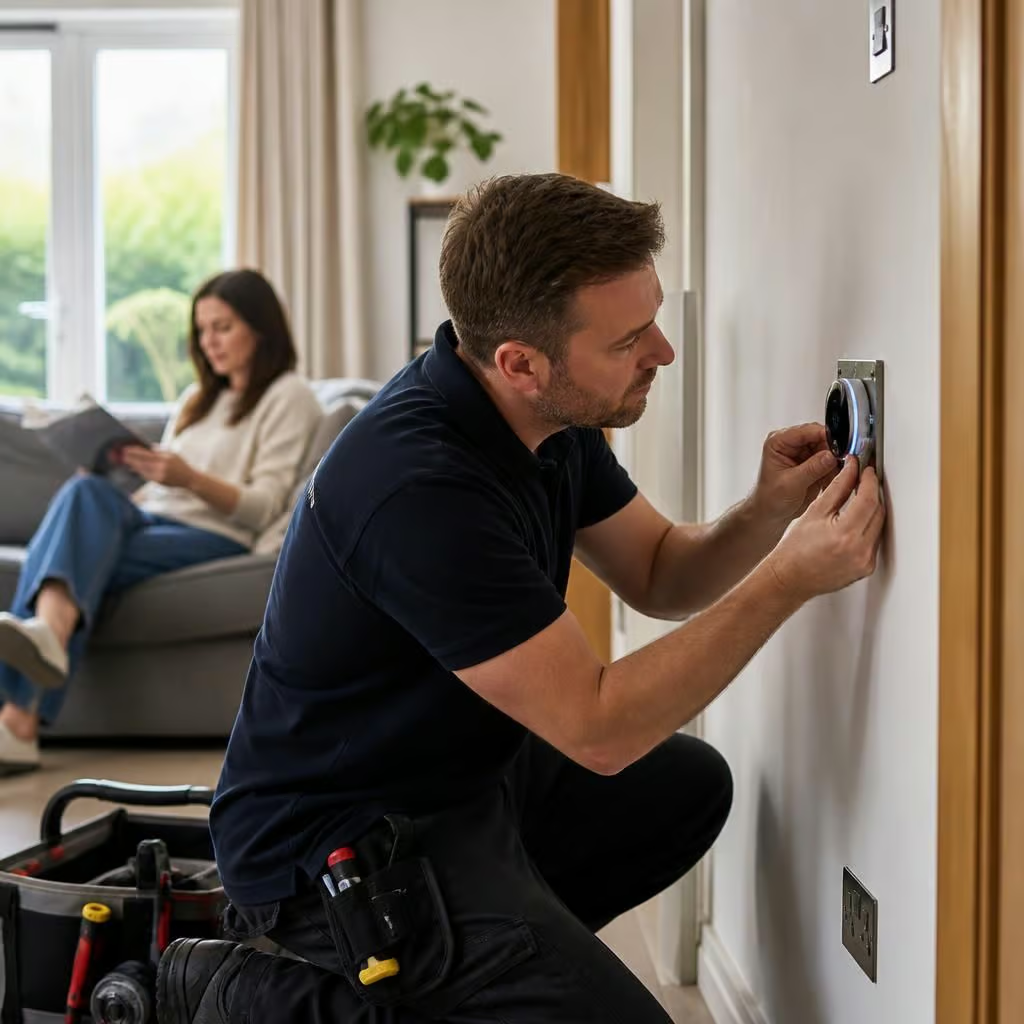
Can smart home automation be installed while the house is occupied?
Yes. We can install most smart home automation while you remain in the house, planning the work around occupied rooms and allowing for brief power isolation where necessary.
In most cases, you can stay at home while smart automation is installed. The amount of disruption depends on whether the system uses existing wiring, new cabling, or wireless devices.
Your project may involve smart lighting, heating controls, sensors, blinds, door entry or several systems working together. We first separate the work into areas that can be completed without affecting the rest of the house. That means you can continue using unaffected rooms while we work.
An occupied installation usually falls into one of three approaches:
- Wireless devices: These cause the least physical disruption because we do not need to chase walls or lift floors for control cables. We still check the wireless signal and the position of the hub, particularly in thick-walled houses or where the system must reach an outbuilding.
- Devices connected to existing wiring: We may be able to replace switches, thermostats or controls without changing the room layout. We check the wiring first, because older installations may not contain the connections that a smart device needs.
- New wired circuits or control cables: These can be installed in an occupied property, but access may involve lifting floorboards, opening small sections of plaster or working above ceilings. We explain where access is needed before work starts.
Your existing lighting or heating may need to be isolated while we connect the new controls. We tell you which circuit or appliance will be affected and for how long before we isolate it. We then test the replacement before moving to the next area, rather than leaving several rooms without their normal controls.
Some installations need a short interruption to the internet connection as we connect the hub or configure the network. We agree that interruption with you beforehand. If the system has local controls as well as app control, we explain what you can still operate if the internet is unavailable. The exact behaviour depends on the equipment selected, so we do not assume every smart system works in the same way.
Your furniture does not normally need to leave the house, but we may need clear access to switches, sockets, the heating controls, the consumer unit or the router. We protect flooring and nearby surfaces, keep removed fittings together and clear the work area as each stage is finished.
Older properties can need more investigation before installation. Thick walls, several floors, detached garages and converted rooms can weaken a wireless signal. Existing switches may also have wiring that suits a conventional circuit but not the chosen smart control. We identify those restrictions during the survey, then recommend a wired connection, a different device position or another suitable arrangement where needed.
Your daily routine also affects the order of work. If you work from home, have children or keep pets, we can discuss which rooms need to remain usable and which areas can be accessed safely. We do not need the whole property empty for a standard installation, although a room may need to be clear while we work in it.
More disruptive work is possible when smart automation forms part of a wider electrical alteration. For example, adding new lighting points, rewiring several rooms or running cables between floors may require more making-good than replacing existing controls. We set out that difference in the written quotation, so the installation method is clear before you decide.
Once the equipment is connected, we test each switch, sensor, control and programmed action. We check that the system responds from the intended rooms and that heating or lighting behaves correctly from its manual controls as well as through the app. We then show you how to use the system, including user access, notifications and what to do if a device loses connection.
A practical occupied installation should leave you with a working home at the end of each agreed stage, not a collection of unfinished controls. If the proposed work would create more disruption than the result justifies, we explain that before installation and can discuss a phased approach.
Because you’ll be using the system as each part is installed, account access and privacy need agreeing before commissioning. We explain which devices use the internet, what notifications they send and who can control them. We can help configure user access and show you how to change permissions later. If existing smart devices are staying, we check that they can work with the new controls before connecting them.