How long do domestic electrical repairs usually take?
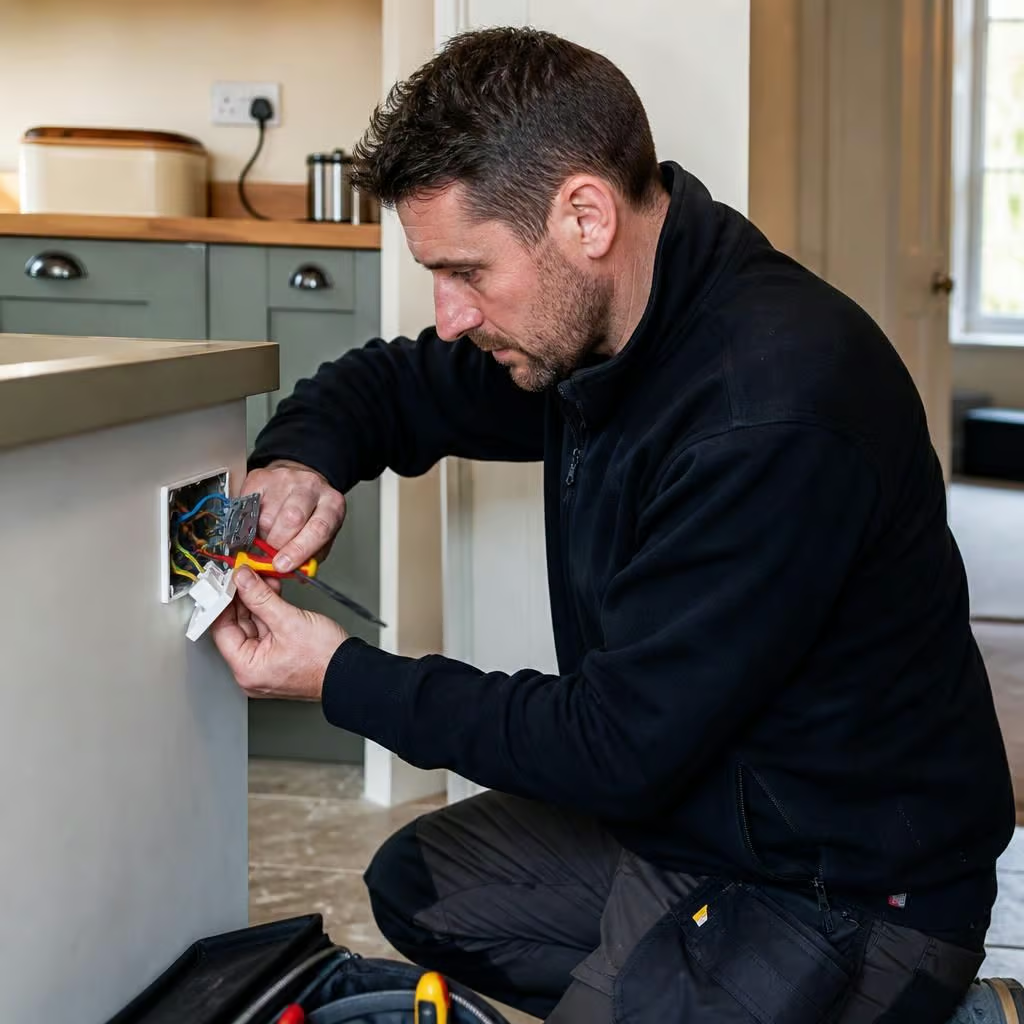
Domestic electrical repairs can take from a short visit for a straightforward fault to longer if we need to trace hidden wiring, source a part or make the circuit safe before returning. We diagnose the problem first, explain what needs doing and give you a written quotation before further work starts.
There is no standard duration for a domestic electrical repair. A visible fault with an accessible component may need only a short visit, while an intermittent fault or damaged cable can take longer to trace, repair and test safely.
The work usually takes longer when the fault is not at the point where you first noticed it. A socket that has stopped working may have a loose connection elsewhere on the circuit. Repeated tripping may come from a faulty appliance, water ingress, damaged cabling or a problem in the consumer unit. We test the circuit rather than replacing parts until the symptom disappears.
- Replacing a damaged accessory: A cracked socket, switch or light fitting is generally straightforward when the cable and connections are sound.
- Finding a dead circuit: We trace the supply, test the protective devices and check accessible connections before making the repair.
- Investigating intermittent faults: A fault that comes and goes may need more careful testing because the circuit can appear normal between occurrences.
- Repairing damaged cable: The time depends on where the damage is, how the cable is routed and whether we can reach it without opening floors, walls or ceilings.
- Working on a consumer unit: We may need to test several circuits and check whether the existing protective devices are suitable for the repair.
Your first description of the problem helps us plan the visit. Note which sockets, lights or appliances are affected, whether the RCD or a circuit breaker has tripped, and what happened immediately beforehand. If you smell burning, see scorch marks or hear buzzing, stop using the affected equipment and tell us when you call.
When we arrive, we establish what is safe to leave energised. We isolate the affected circuit where necessary, carry out diagnostic tests and explain what we have found. If the repair needs work beyond the original request, we agree the additional work and provide a written quotation before it starts.
Some faults can be repaired without disturbing the fabric of the home. Older properties, barn conversions and outbuildings can have concealed or altered wiring, which may make tracing the fault more involved. We explain any access needed before proceeding, so you can decide whether to continue with the repair or arrange further work.
We do not restore a circuit simply to get the lights or sockets working again if the underlying fault remains. Where the installation presents a safety risk, we leave the affected part isolated and explain what needs to happen next. That may mean replacing a section of cable, correcting a connection or planning a wider upgrade.
After the repair, we test the affected circuit and check that the protective measures operate as they should. We also explain what we have done and point out anything that needs monitoring. Where the work requires formal electrical certification, we provide the relevant paperwork for the job.
Our NICEIC and ECA electrical registrations support the testing and certification required for domestic repair work. We carry out electrical repairs for homeowners across Warwickshire, Oxfordshire, Gloucestershire and the North Cotswolds.
Clear access can shorten the diagnostic part of the visit. Keep the consumer unit, affected sockets, switches and light fittings accessible. If an appliance is involved, have its make and model to hand, along with any recent changes to the wiring or building.
That information helps us follow the circuit without unnecessary interruption. We can then spend the visit testing the cause rather than establishing what has changed. Do not remove covers or attempt a repair yourself, particularly if there are scorch marks, buzzing or a burning smell.