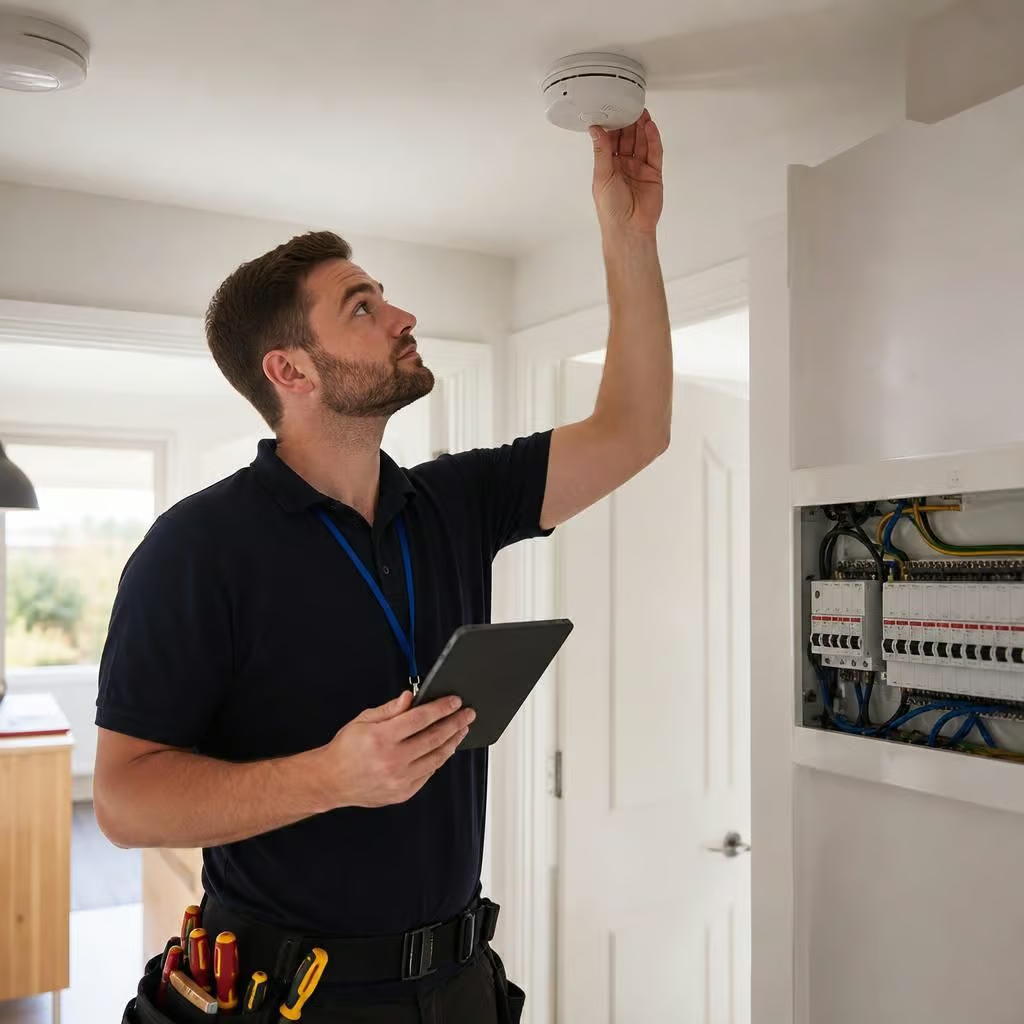
Can a landlord fire safety check be carried out alongside an EICR?
Yes. We can carry out a landlord fire safety check during the same visit as an EICR, but each inspection remains separate because an EICR assesses the fixed electrical installation while the fire safety check examines alarms, positioning and suitability.
The practical benefit of combining the appointments is fewer visits to the property. It does not turn the work into one inspection. We plan the electrical and fire safety checks together, then provide records for each part of the visit.
The EICR examines the fixed electrical installation. We inspect the wiring, consumer unit, earthing, bonding, switches, sockets and other fixed electrical equipment within the agreed scope. We carry out tests to identify deterioration, damage, unsafe alterations and defects that could create an electrical risk.
The result is an Electrical Installation Condition Report. It records the installation’s condition, lists any observations using the relevant classification codes and explains remedial work where this is needed. An EICR does not confirm that the property’s fire alarms are correctly positioned, interlinked or suitable for the way the property is occupied.
The landlord fire safety check looks at the warning systems and their practical use. We check the alarms present at the property, their locations, condition and operation. We also consider whether the arrangement appears suitable for the layout and occupation of the home. This can include checking smoke alarms, heat alarms, carbon monoxide alarms where relevant, interconnection and accessible test facilities.
A fire safety check can highlight problems that an electrical inspection might not record. An alarm may have power but be in the wrong position. It may be difficult to test, unsuitable for a particular room or no longer provide adequate coverage after alterations to the property. The separate fire safety record explains those findings without confusing them with the condition of the fixed wiring.
Some findings overlap, but the standards and decisions remain distinct. For example, an EICR may identify damaged cabling supplying an alarm, an unsuitable connection or an issue in the consumer unit. We record that electrical defect within the EICR. We record the alarm’s coverage, siting or operation within the fire safety documentation.
That separation matters if a managing agent, tenant, insurer or enforcement authority later asks what was checked. You can show the electrical condition report alongside the fire safety inspection record, with each document answering a different question.
A combined visit usually follows a planned sequence.
- We confirm the property address, access arrangements, occupancy and the inspections required.
- We review any previous EICR, alarm records, installation certificates and information about recent alterations.
- We carry out the electrical inspection and testing, which may require temporary access to circuits or electrical equipment.
- We inspect and test the fire alarms and other relevant warning devices.
- We explain defects found during the visit and identify which report contains each finding.
- We issue the appropriate records and provide a written quotation for agreed remedial work before it starts.
The property may need to be without power briefly while electrical testing takes place. We discuss this before testing begins. Alarm testing can also involve audible sounders, so tenants or other occupants should know what to expect.
A combined appointment does not automatically include every fire safety duty. The scope should state whether the visit covers alarms only or includes other items such as emergency lighting, fire doors, escape routes, fire extinguishers or communal areas. A landlord fire safety check is not automatically a full fire risk assessment. Larger, shared or higher-risk buildings may need a separate assessment by a suitably competent fire risk assessor.
The property’s occupation also affects what should be checked. A single-family rental house, an HMO, a flat in a converted building and a property with shared corridors can have different fire safety arrangements. Tell us about the layout, number of occupants, shared areas and any recent building work so we can define the visit properly.
If the inspection finds a failed alarm, damaged wiring or another immediate concern, we explain the risk and the next step. We do not treat a passing result in one area as evidence that the other area is compliant. Where work is needed, you receive the relevant findings and costs clearly, rather than an unexplained combined charge.
For the electrical element, our NICEIC-registered electricians work to the requirements governing fixed electrical installations. The separate records give you a clearer compliance trail and make it easier to arrange follow-up work without repeating inspections unnecessarily.
The two inspections may not fall due at the same time. We check the previous EICR, alarm records and renewal dates before combining them, so the appointment remains useful rather than creating an unnecessary inspection.
If the dates do align, we itemise the electrical and fire safety work in the quotation and issue the records separately. That leaves you with a clear file for renewal planning, agents and future inspections.