
Does MCS certification matter when choosing a solar installer?
Yes. MCS certification shows that a solar installer works to recognised installation standards, and it allows us to apply for the Boiler Upgrade Scheme where relevant and makes your system eligible for Smart Export Guarantee payments.
Yes. MCS certification matters because it gives you a recognised standard for the way a solar installation is designed, installed, commissioned and documented. It also supports the paperwork needed for export payments and eligible grant applications. It should be an important check when comparing installers, but it is not the only one.
MCS applies to the installer and the installation process, not simply to the panels or inverter. A company should hold certification for the type of work it is offering. Ask to see current evidence that the installer is certified for solar PV, and check that the quotation names the certified business that will carry out the work. A manufacturer’s product approval is not a substitute for an MCS-certified installer.
Your home still needs a properly designed system. Certification does not mean that every roof is suitable, or that every quoted system will produce the same result. The design should reflect the roof direction, pitch, shading, available space, structural condition and your pattern of electricity use. A battery needs its own assessment, particularly if its value depends on storing solar electricity or shifting consumption.
Older properties need careful planning before anyone fixes panels to the roof. A solid-wall house, barn conversion or listed building may have awkward roof lines, protected elevations or limited routes for cables. We look at the roof construction, access, cable route, consumer unit and the position of the inverter before confirming the design. If planning restrictions, structural work or electrical upgrades affect the price, they should appear in the written quotation rather than emerge during installation.
A sound quotation should explain the proposed panel layout, inverter and battery capacity where relevant, expected generation and the assumptions behind those figures. It should also identify scaffold or access requirements, electrical work, monitoring equipment, commissioning, certification and what happens to surplus electricity. This lets you compare two systems on the same basis instead of comparing panel counts alone.
The installation paperwork matters after the engineers leave. You should receive the certificates and information needed to show what has been installed, how it was commissioned and how to operate it safely. Keep this information with the property records. It can be useful if you make a future alteration, investigate a fault or sell the home.
MCS certification also gives you a route to recognised consumer protection arrangements connected with certified installations. That does not remove the need to read the quotation carefully. Check who is responsible for remedial work, which parts are covered by which warranty, and whether servicing or inspection is recommended. A clear written scope is more useful than a certification logo on its own.
Do not treat MCS status as a promise of a particular saving or payback period. Those depend on the roof, shading, electricity demand, export arrangements, battery operation and future energy prices. We work through those factors during the survey, so the financial case is based on your property rather than a standard example.
There are useful questions to ask any installer:
- Is the business currently certified for the solar work being proposed?
- Who will design, install and commission the system?
- What roof, shading and electrical checks are included before the quotation is fixed?
- Which certificates and commissioning records will you receive?
- What assumptions support the generation and payback estimates?
- Are all access equipment, consumer unit work and other necessary electrical changes included?
- How will the system be registered for export payments, where applicable?
For a solar installation, MCS is therefore a useful baseline. The stronger choice is an installer that combines current certification with a site-specific design, a complete written quotation and clear handover paperwork. That is particularly important when the property has an older roof, unusual construction or an existing electrical system that may need upgrading.
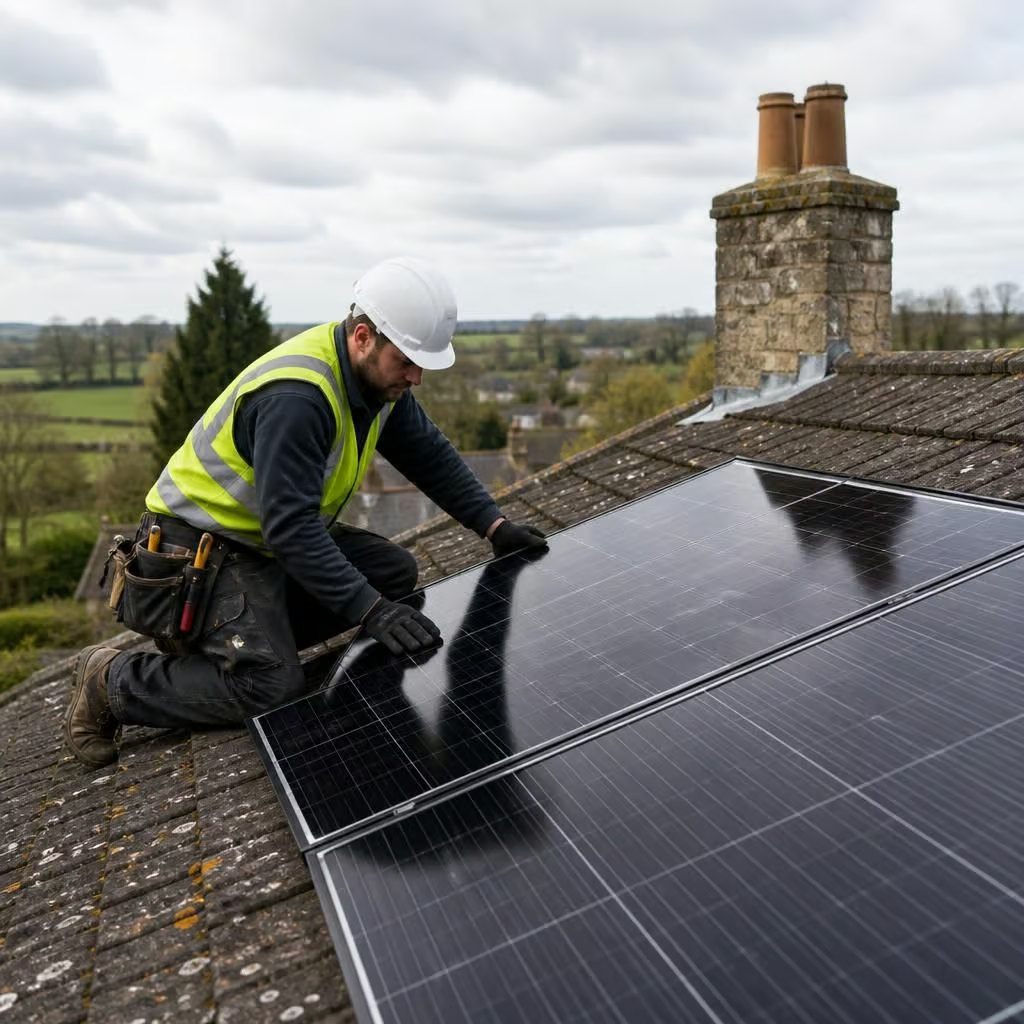
MCS certification is most useful when you treat it as part of the installation record, not just a logo on a quotation. The certified business should be clearly identified, and the completed system should be supported by the records needed for export registration and future ownership checks.
That matters if you later change the battery, investigate a fault or sell the property. Keep the MCS documents with the electrical certificates, product information and commissioning records. They show what was designed and installed, rather than relying on a panel count or verbal description.