
How long does home solar panel installation take?
For a straightforward home, the physical solar panel installation is usually completed in a single visit. The full timeline is longer because we first survey and design the system, arrange any required approvals, then install, test and commission it.
The calendar time is usually governed by preparation rather than the work on the roof. We first establish whether the property, electrical installation and grid connection can support the proposed system. The installation date then depends on the design, any required approvals and the amount of preparation the property needs.
Before installation, we complete several checks:
- We inspect the roof covering, structure, orientation and available space.
- We check the cable route from the panels to the inverter and consumer unit.
- We assess whether the consumer unit and earthing arrangements need electrical work.
- We establish where the inverter, battery and any generation meter will go.
- We check planning considerations, particularly for listed buildings and properties in conservation areas.
- We prepare the system design and deal with the relevant grid paperwork.
These checks matter more on an older house. A solid-wall property, barn conversion or listed building may need a more careful cable route and additional discussion about the position of equipment. If the roof covering needs repair, we explain that before the solar work is booked rather than fitting panels onto a roof that needs attention.
Scaffolding usually forms part of the preparation for a roof-mounted system. The scaffolders need access to the roof edge, and the panels, mounting rails and cabling must reach the working area safely. Poor weather can affect roof work, so the installation date may need to move if conditions make the work unsafe.
On the installation day, the work normally follows this order:
- We protect the working areas and position the equipment.
- We fit the roof anchors, mounting rails and panels.
- We route and secure the solar cabling.
- We install the inverter and battery where included in the design.
- We connect the system to the electrical installation.
- We test the system, explain the controls and clear the work areas.
A battery can add work inside the property because we need a suitable location, cable route and electrical connection. The position may be in a garage, utility area or another dry, accessible space. If the consumer unit needs upgrading, we carry out that work as part of the electrical preparation rather than leaving an incompatible installation behind.
After the physical work, we complete testing and commissioning. We check that the panels, inverter, battery and monitoring equipment communicate correctly. We also provide the information needed for safe use and future maintenance. MCS certification supports the administration needed for eligible export arrangements, including an application to the Smart Export Guarantee.
The main causes of delay are roof repairs, difficult access, electrical upgrades, planning restrictions, grid requirements and changes made after the survey. Battery storage, multiple roof elevations and long cable routes can also add work. A straightforward system can move through the process with little preparation, while an older or more complex property needs more time for decisions and coordination.
We explain the proposed sequence in the quotation, including any work that must happen before the panels are fitted. That gives you a clearer view of the full installation timeline rather than treating the day on the roof as the whole project.
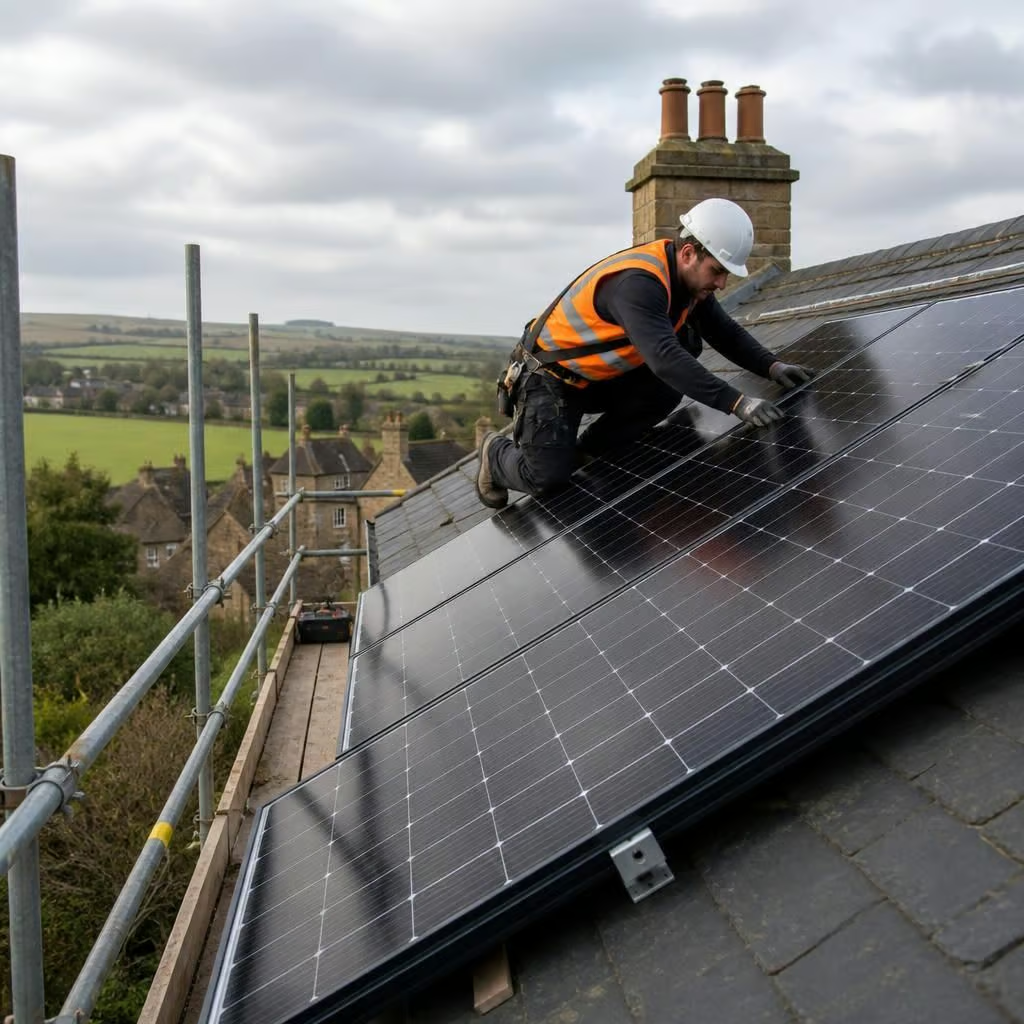
The installation timeline isn’t usually a continuous stretch of work at your home. It includes separate appointments, design decisions and time for approvals between them. You may have a survey first, then a gap before the installation date while the design and paperwork are confirmed.
That means the number of days between enquiry and completion can be longer than the time our team spends on site. We’ll explain which stages need you to make a decision, such as equipment positions or access arrangements, so the project does not pause unexpectedly. On completion, we show you how to read the monitoring information and what to check before the system is left running.