
How will an industrial solar system’s performance be monitored after installation?
After installation, an online monitoring portal records the industrial solar system’s generation and shows its performance over time. Fault alerts can highlight unexpected changes, so we can investigate the cause and advise on the next step before a small issue becomes prolonged lost generation.
After installation, an industrial solar system is monitored through an online portal linked to the inverter and site metering. This shows how much electricity the system is producing, how that electricity is being used or exported, and whether the equipment is operating as expected.
The monitoring arrangement is set up during commissioning. We configure the inverter portal, connect the relevant communications equipment and confirm that the system is sending usable data. We also record the system design and commissioning information, giving future readings a proper reference point.
Your generation will naturally change with daylight, season, cloud cover and shading. A lower reading on a dull winter day does not automatically indicate a fault. We look for patterns that do not fit the site conditions, such as an unexpected drop in output on a bright day or one part of the array falling behind the others.
Depending on the system design, the portal can show information such as:
- current and historic solar generation;
- generation from individual inverters or array sections;
- electricity used on site and electricity sent to the grid;
- inverter status and operating history;
- isolation, communication or equipment alarms; and
- energy flows where battery storage is included.
This information helps separate a solar generation problem from a site electrical issue. For example, the panels may be producing normally while the site is using less electricity than expected, or the system may be generating power while a communications connection has stopped reporting it. We check the data before deciding what needs attention.
Monitoring depends on more than the panels. The inverter, meters, internet connection, data logger and communications settings all have a part to play. If the portal stops updating, the solar system may still be generating electricity. A loss of online data is not the same as a loss of generation, so we investigate the reporting path as well as the electrical equipment.
Site staff can usually be given access to the relevant monitoring portal, subject to the system selected and the access permissions agreed at commissioning. That lets the person responsible for the building review performance without needing to inspect the inverter. We can explain the main readings and what should prompt a call rather than leaving a dashboard full of unexplained figures.
For larger sites, monitoring can also support energy management. Generation can be compared with the building’s demand and operating schedule, helping identify when solar power is being used on site and when surplus electricity is exported. It does not replace the site’s electricity meter or export meter, but it provides useful operational information alongside them.
Monitoring data is also valuable during maintenance. A recurring alarm, irregular output or change after site works can point us towards the affected part of the installation. We may then need photographs, meter readings or an on-site inspection. Remote monitoring can narrow the investigation, but it cannot test every cable, connection, roof-mounted component or protection device.
We review the monitoring arrangement when the system is altered. Adding batteries, changing meters, replacing communications equipment or modifying the site’s electrical supply can affect the readings and the way energy flows are displayed. Keeping the portal and system records aligned means the information remains useful after later work.
At handover, we explain how to access the monitoring platform, what the main readings mean and what to do if the data stops appearing. The result is a clear record of how the installation is performing, rather than relying only on an occasional electricity bill or a visual check of the inverter.
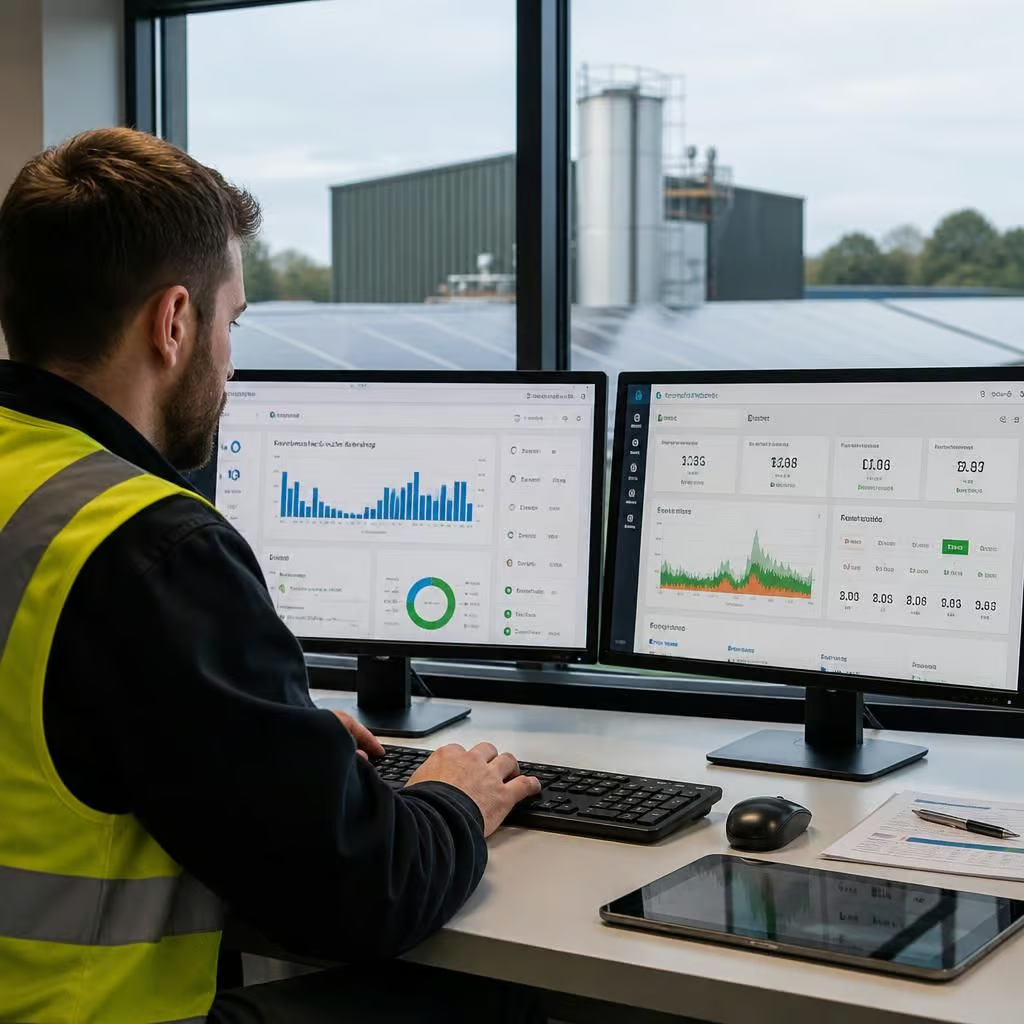
On a working site, monitoring is most useful when someone knows what to do with the information. We agree who should receive system alerts and who will contact us if an issue needs investigation. Planned shutdowns, roof work or electrical changes can then be recorded against the monitoring history, rather than being mistaken for unexplained underperformance.
The site team can use that record when reviewing energy performance over time. A change in operating hours or production demand may alter how much solar electricity is used on site, even when generation remains normal. Keeping those operational changes alongside the solar data makes later reviews more meaningful.