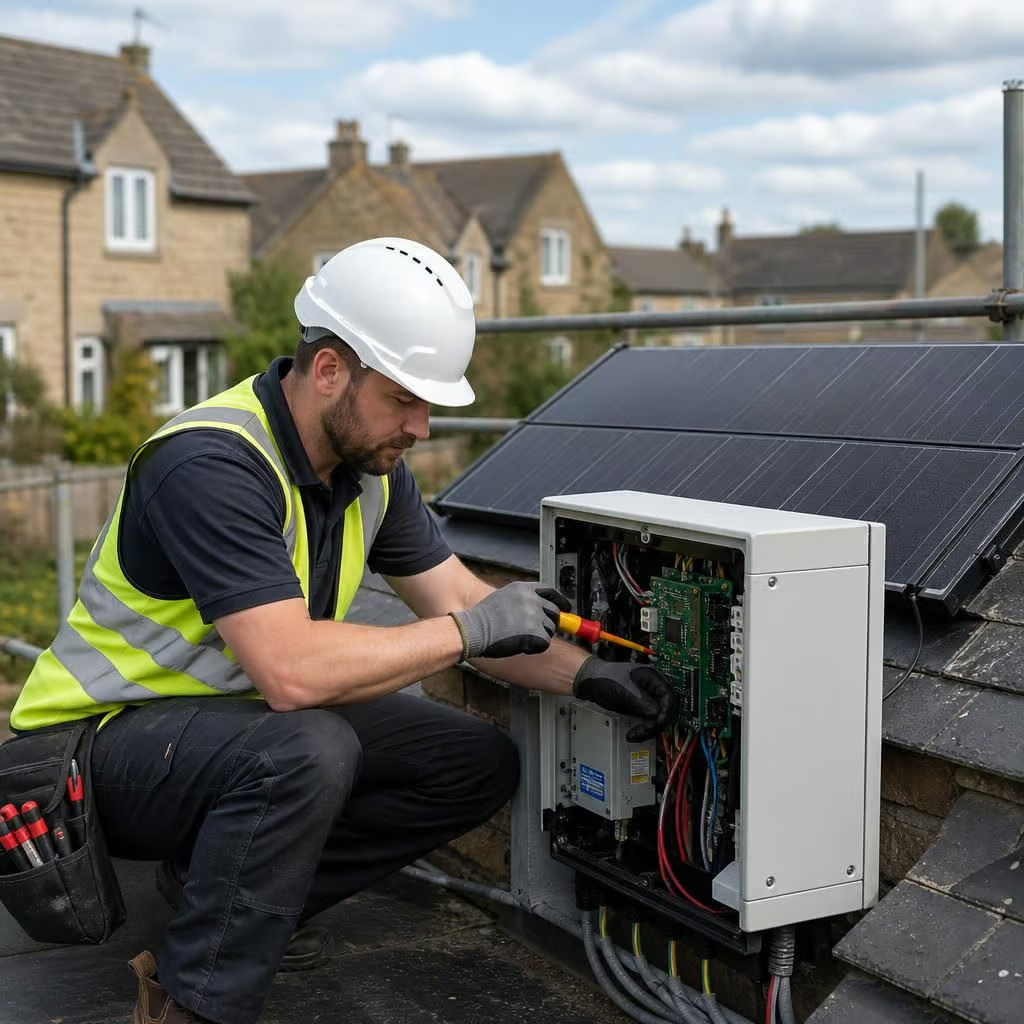
Does solar panel repair require electrical certification?
Not every solar panel repair needs a new electrical certificate, but work on the wiring, inverter, isolators or other fixed electrical parts may require electrical test results and certification. We’ll identify what the repair involves, complete the necessary safety checks and provide the relevant paperwork.
Electrical certification depends on what the repair changes. Replacing a faulty panel or connector may only require records of the work and test results. Altering the fixed electrical installation, changing the inverter or adding new protection usually requires a formal certificate or updated documentation.
A solar PV system has separate parts. The panels and cables on the roof form the direct current, or DC, side. The inverter, isolators, consumer unit and cables inside the property form the alternating current, or AC, side. A fault on one side does not automatically mean the whole system needs rewiring or a new certificate.
A like-for-like repair may not need a new installation certificate. For example, replacing a damaged connector or swapping a failed panel for an equivalent unit may leave the circuit design unchanged. We still isolate the system safely, check the affected equipment and test the completed repair. We record what we have done so there is a clear history for future maintenance.
Solar panels can continue producing electricity in daylight, even when the inverter has been switched off. That makes roof-level repairs different from ordinary domestic electrical work. We check the DC side, the AC side and the isolation points before starting. A repair is not complete until the system has been tested under suitable operating conditions.
A formal electrical certificate is more likely when the repair alters the installation. This can include:
- installing or replacing a section of fixed AC cabling;
- changing an isolator, consumer unit connection or protective device;
- replacing an inverter with a model that changes the system’s electrical characteristics;
- adding or altering a circuit between the inverter and the consumer unit;
- repairing damage that has affected cable routes, containment or earthing;
- making changes that affect the system’s connection to the electricity supply.
The appropriate document depends on the scale of the work. A limited alteration may be recorded on a Minor Works Certificate. More substantial additions or alterations may need an Electrical Installation Certificate. An inspection and test report may be appropriate where we are assessing the condition of an existing system without carrying out a new installation.
These documents are not simply paperwork. They show what was altered, which tests were completed and whether the installation meets the relevant requirements at the time of the work. Test results can also help identify a wider problem, such as insulation damage, a poor connection or a fault in the protective earthing.
Replacing an inverter can involve more than the certificate itself. The replacement must be suitable for the panels, cable arrangement and protection already in place. If its output or connection characteristics differ, the electricity network operator may need to be notified or consulted. We check this as part of deciding how the replacement should be documented.
Building regulations notification is a separate issue from electrical certification. Some domestic electrical work may fall within the rules for notifiable work, while other repairs do not. A certificate confirms the electrical work and testing; it does not automatically prove that every other approval or notification has been dealt with.
For an older installation, the original documents are useful but not essential before an assessment can begin. If the commissioning paperwork, circuit details or inverter records are missing, we can establish the system’s arrangement through inspection and testing. We then explain whether the repair can be treated as a limited fix or whether the condition of the installation calls for further work.
Electrical repairs are carried out under our NICEIC and ECA-registered electrical procedures. That means the work is tested against the requirements for the alteration rather than being described loosely as a repair. You receive the relevant certificate or written test documentation when the job calls for it, along with details of any issue that still needs attention.
If a fault has caused burning, water damage, exposed wiring or repeated inverter shutdowns, leave the affected equipment isolated and do not remove covers yourself. Photographs of the inverter display, isolators and any visible damage can help us understand the problem before we attend. The final decision on certification can only be made after we have identified what failed and checked what the repair has changed.
An electrical certificate for a repair is not the same as MCS certification. It records the electrical work we changed and the tests we completed; it does not certify the original solar installation or make an older system eligible for the Smart Export Guarantee.
If the repair involves replacing or altering equipment, we explain exactly what the new paperwork covers. That leaves you with a clear distinction between the repair record and any original commissioning or MCS documents.