
What affects the cost of a 10kW solar system with battery storage?
The cost of a 10kW solar system with battery storage depends on the roof, panel layout, battery capacity, scaffolding and any electrical upgrades needed. We assess those factors during the survey, then provide a written quotation covering the equipment, installation and likely savings for your property.
A 10kW solar system with battery storage can vary considerably in price because the panel capacity is only one part of the installation. The battery capacity, roof design, electrical connection, access, and control equipment all affect the final cost.
The battery is usually the largest choice after the panels. A smaller battery may cover evening electricity use, while a larger one can store more daytime generation for later use. More storage is not automatically better value. If the battery regularly sits full, extra capacity may add cost without adding much benefit. We look at the home’s electricity pattern and the expected solar output before recommending a size.
A 10kW array also needs suitable roof space. A simple south-facing roof may require less design work than several roof areas facing different directions. East- and west-facing panels can spread generation across the day, but the layout may need additional equipment or more cable runs. Shading from trees, chimneys and nearby buildings can reduce output and may affect how the panels are connected.
The roof covering and structure can change the installation method. Older homes, barn conversions and listed properties may have slate, irregular roof lines or limited fixing points. We choose mounting equipment that suits the roof rather than assuming that every panel can be fitted in the same way. Planning considerations may also affect the design, particularly where a property sits in a sensitive location.
The inverter converts the panels’ electricity for use in the house and controls the battery. Its specification affects the system’s usable output, monitoring and ability to accept future changes. A system with panel optimisers, backup capability or a more complex monitoring arrangement will cost more than a basic grid-connected installation. Backup power also needs careful design: keeping selected circuits running during a power cut is different from powering the whole house.
The property’s existing electrics can add work. A consumer unit, earthing arrangement, cable route or main supply may need attention before the system can be connected safely. This is more likely to affect older installations, particularly where the electrical system has been altered over several decades. We explain any required upgrade separately so the price does not hide essential electrical work.
The battery needs a suitable position with enough space, ventilation and protection from avoidable damage. A garage, utility area or outbuilding may work, but the distance from the inverter and consumer unit affects cable length and installation time. If the preferred location is far from the house, trenching or additional protection may be needed.
Some costs relate to the grid connection and paperwork rather than the physical equipment. A larger system may need the distribution network operator to approve the proposed export capacity. The outcome can affect the inverter settings, export arrangements and sometimes the equipment required. We include the relevant technical and certification work in the system design rather than treating the panels as a standalone purchase.
Expected savings depend on how the house uses electricity. A home that uses more power during daylight may use more solar directly. A battery can move some generation into the evening, but its value depends on charge and discharge losses, electricity tariffs, export payments and the amount of solar available through the year. We use the property’s expected generation and usage pattern to discuss likely value instead of applying a standard payback figure.
Export arrangements can also affect the financial case. Our MCS certification means we can make the installation eligible for the Smart Export Guarantee, subject to the scheme’s current requirements and the chosen electricity provider. Tariffs and rules can change, so they should be checked when the system is specified.
There is not usually a single price that applies to every 10kW solar and battery installation. Two homes with the same panel capacity may need different batteries, roof fixings, cable routes and electrical work. A useful quotation should show those elements clearly, along with the expected system output, battery capacity, export assumptions and any work needed before connection.
For a property with an older roof or electrical installation, the cheapest initial design may not be the most suitable. We set out the practical options and the reason for any additional work, so the decision is based on how the complete system will operate rather than on the panel capacity alone.
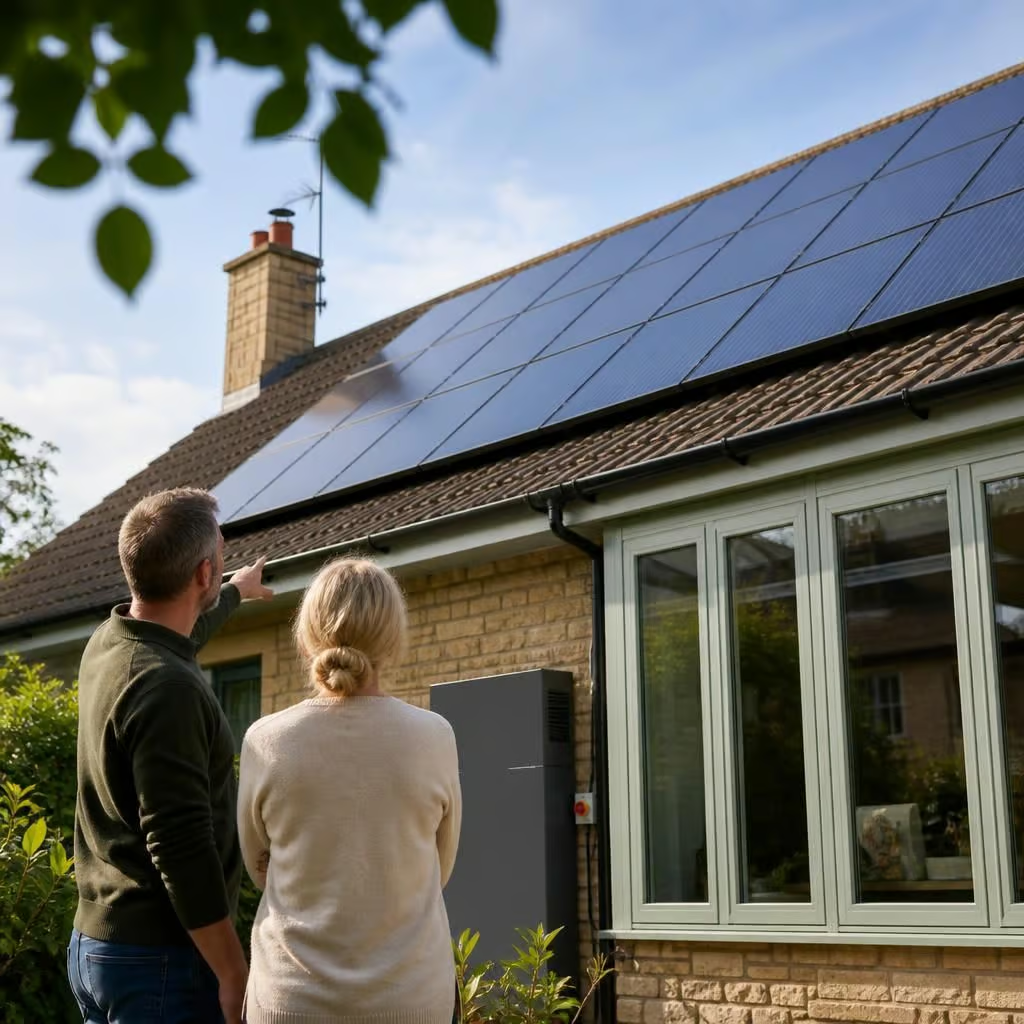
A 10kW system describes the panels’ combined peak rating, not the amount of electricity the home will produce every day. Generation changes with roof direction, shading, season and weather.
That distinction matters when comparing prices. We model the expected output for the property, then compare it with the battery’s usable capacity and the household’s demand. A larger panel array does not automatically require an equally large battery, so the final design should reflect how the home uses electricity rather than matching two headline numbers.