
Will a solar panel performance check identify an inverter fault?
Yes. A solar panel performance check can identify inverter warning codes, unusual generation patterns and signs that the inverter is not converting electricity correctly, although further testing may be needed to confirm the fault.
An inverter fault can often be identified from a performance check, but the results do not always prove which component has failed. They show whether the inverter is converting the panels’ direct current into usable alternating current, and help separate an inverter problem from a panel, cabling, grid or monitoring fault.
The inverter is the starting point. Solar panels produce direct current, while the electricity used in the property is alternating current. The inverter performs that conversion and usually records the system’s output, voltage, fault codes and operating status. If the panels are producing energy but little or none reaches the home, the inverter becomes one of the main areas to investigate.
Your monitoring may show a sudden drop to zero, repeated restarts or a fault message. We compare that information with the inverter display, historic generation and current conditions. A complete loss of output on a bright day is more significant than a lower reading during heavy cloud or low winter sun.
Performance data can reveal several patterns linked to an inverter fault:
- The system stops generating while the panels are receiving useful sunlight.
- Output rises and falls repeatedly instead of following the available sunlight.
- One part of the system behaves differently from the other parts.
- The inverter reports a grid, insulation, temperature, isolation or internal fault.
- The inverter appears to be running, but its recorded output is much lower than the incoming panel output.
- The monitoring platform loses contact with the inverter, although this may be a communications problem rather than a generation fault.
A performance check also helps us avoid blaming the inverter too soon. Shading, soiling, a damaged panel, a loose connection, a failed isolator or a tripped protective device can produce similar symptoms. A grid voltage problem can also make an otherwise healthy inverter disconnect. If only one panel string is affected, the fault may lie in that string rather than in the inverter itself.
We compare the panel-side and mains-side readings. The panel side supplies direct current to the inverter. The mains side carries the converted electricity into the property. If the expected input is present but the output is absent, the inverter or its protection may be at fault. If the input is already missing, we investigate the panels, connectors, cable route and isolators instead.
That comparison is important because an inverter can display a warning even when the underlying cause is elsewhere. For example, an isolation fault may result from moisture or damaged cable insulation. A grid fault may be caused by the electrical supply rather than the solar equipment. A monitoring failure may leave the app showing no generation while the inverter continues to produce electricity.
A direct inspection is needed when the data points towards the inverter. We read the stored fault history, check the display and status lights, inspect the accessible connections and test the relevant electrical values. We also check whether protective devices or isolators have operated. These checks help establish whether the inverter has a temporary operating fault, an external supply problem or an internal failure.
We do not rely on an app reading alone. Monitoring data may be delayed, incomplete or disconnected from the inverter. Conversely, the inverter may appear normal while producing less than it should. Looking at both the recorded performance and the equipment itself gives a more reliable diagnosis.
Roof access is not always necessary for the first stage. Generation records, inverter data and electrical tests can often show whether the fault is on the conversion side of the system. We may still need access to panels, rooftop cablework or junctions if the tests indicate a problem before the inverter.
The result should identify the next practical step. That may be restoring a tripped device, correcting a connection, resolving a communications issue, investigating the grid supply or replacing a failed inverter. If replacement is necessary, the system’s existing panels, cable layout, battery compatibility and monitoring arrangements all need to be considered before a specification is prepared.
We explain what the tests found and which parts require further work. If a repair or replacement is proposed, we provide a written quotation before the work starts, so the cost and scope are clear. We will not describe a panel fault as an inverter fault simply because the inverter is the easiest component to see.
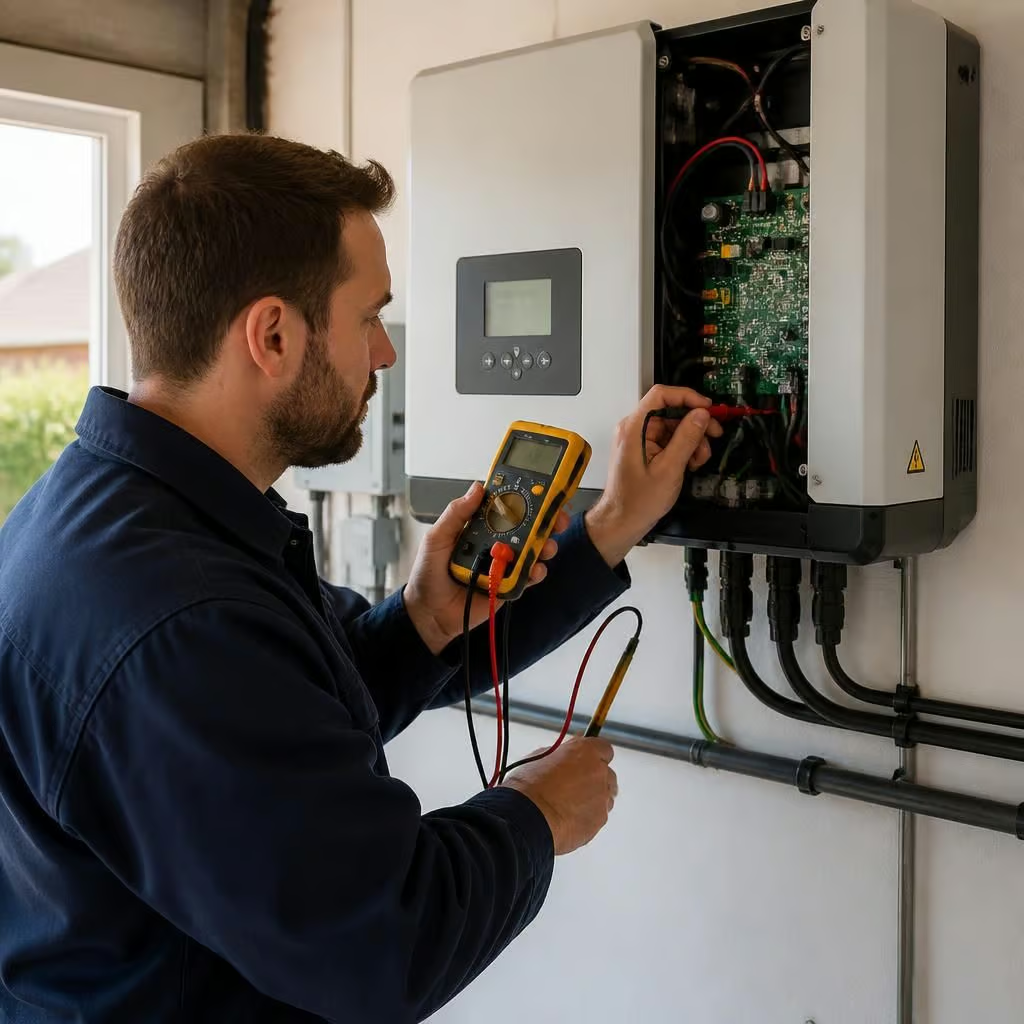
An intermittent inverter fault may disappear before an engineer arrives. Keep a note of when generation stopped, what the inverter displayed and whether the monitoring app showed the same event. A screenshot can be useful if the warning later clears.
Don’t repeatedly switch isolators or remove covers to recreate the fault. We use the recorded symptoms alongside the system’s performance history and the inverter’s own logs. That helps distinguish a recurring conversion fault from a one-off interruption or a monitoring error, without replacing equipment unnecessarily.