Can solar electric heating replace an oil or LPG heating system?
Solar panels alone are unlikely to replace an oil or LPG heating system, especially when winter heating demand is highest. They can reduce the electricity needed by an electric heating system, but replacing the boiler fully requires a property assessment, suitable heat emitters and enough grid electricity for periods when solar generation is low.
Solar electricity can replace oil or LPG for some heating duties, but panels alone rarely provide a complete replacement for a boiler. The practical choice depends on how much heat your home needs, how well it holds warmth, and whether the electrical system can support the new equipment.
There are three main ways to use solar electricity for heating:
- Direct electric heating: panel heaters, electric radiators or underfloor heating turn electricity into heat. They can be simple to install, but a whole house may need a large amount of electricity during cold weather.
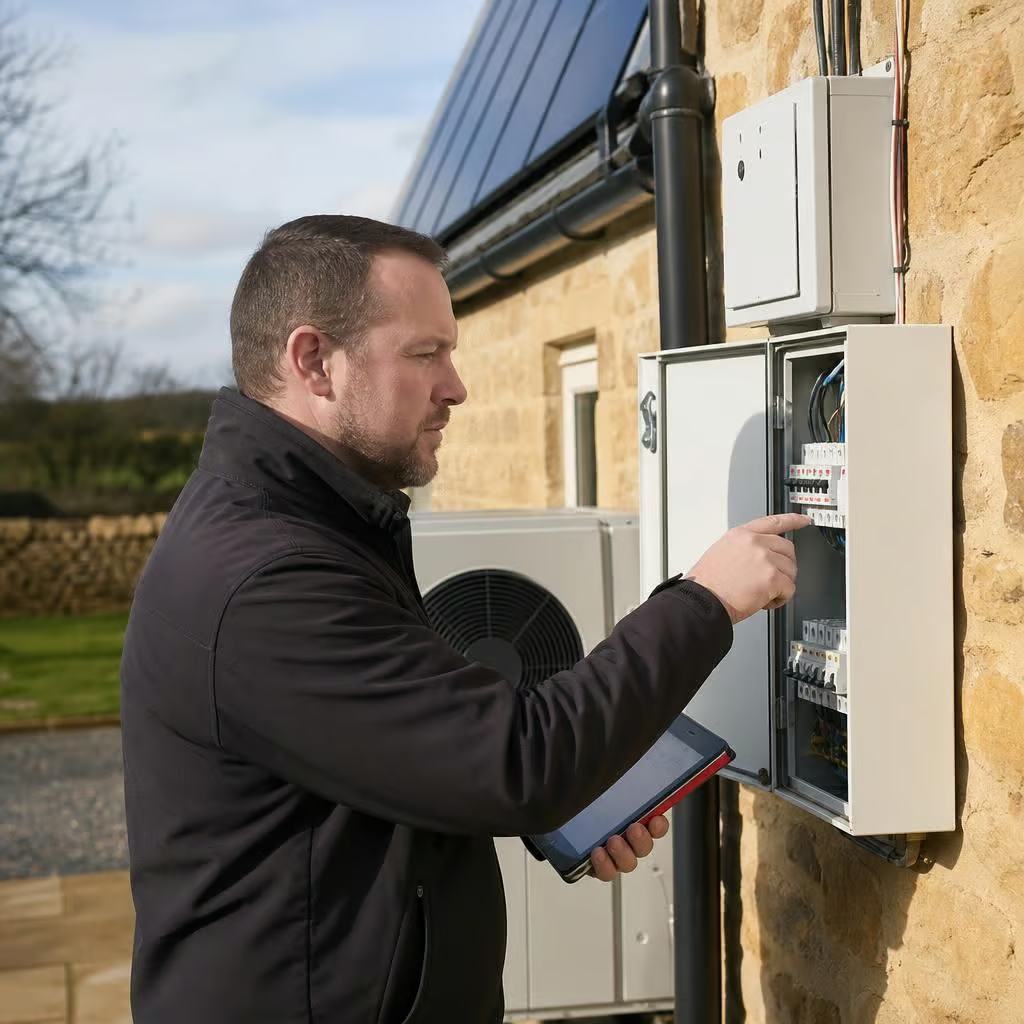
- An air source heat pump: the heat pump uses electricity to move heat into the home rather than creating all the heat directly. It can replace an oil or LPG boiler, but it may need larger radiators, pipework changes and improved insulation.
- Electric hot water: an immersion heater can use surplus solar generation to heat a cylinder. This can reduce the boiler’s role in making hot water, but it does not heat the rooms.
A battery can move some daytime solar generation into the evening. It cannot store summer generation for the coldest part of winter, so it should not be treated as a replacement for a fuel supply. We work out the likely electricity demand alongside the panel and battery design, rather than assuming that a larger battery will cover space heating.
Replacing the boiler with direct electric heating
Direct electric heating may suit a small, well-insulated property or a room that needs occasional heating. It is less straightforward as a whole-house replacement for an oil or LPG boiler. A boiler delivers substantial heat through several radiators at once, while electric heaters can require significant electrical capacity when many rooms are calling for heat.
Your existing consumer unit, incoming supply, cabling and circuit capacity therefore matter. We check these before recommending electric radiators or other fixed heaters. If the installation needs changes, the quotation sets out what must be upgraded and why. That prevents the heating equipment being chosen before the electrical work has been considered.
Removing an oil or LPG boiler also affects hot water, controls, flues, tanks and pipework. A property with a hot water cylinder may be able to use an immersion heater with solar controls. A combination boiler will need a different arrangement because it heats water as it is used. We check the present system rather than assuming that a replacement can connect to the same pipework.
Using solar electricity with an air source heat pump
An air source heat pump is usually the more credible route when the aim is to move away from oil or LPG while keeping central heating. It can work with solar PV, but the two systems still need to be designed around the house’s heat loss. Solar panels generate electricity; they do not provide the heat pump with a guaranteed supply during every heating period.
Your radiators may have been sized for a boiler operating at a higher flow temperature. A heat pump normally works more effectively at a lower temperature for longer periods. We assess heat loss, radiator output, pipe sizes, insulation, hot water storage and control settings. Some rooms may need larger radiators, but a full replacement is not automatic.
Older solid-wall houses, barn conversions and off-gas-grid properties need particular care. Listed-building constraints, limited insulation options, exposed pipework and restricted outdoor-unit positions can all affect the design. We explain where changes are necessary and where keeping part of the existing heating system may be more sensible.
Where a heat pump is suitable, our MCS certification allows us to make a Boiler Upgrade Scheme grant application on your behalf. It also means the solar installation can be eligible for the Smart Export Guarantee. Grant rules and export arrangements can change, so we confirm the position during the design rather than using an outdated figure.
What solar can do for hot water
Solar PV can heat a hot water cylinder through a suitable immersion control when generation is available. This can reduce the amount of oil or LPG used for hot water and may allow the boiler to remain switched off for some periods.
It is not a complete hot water replacement unless the cylinder has another reliable way to reach the required temperature. We check the cylinder type, immersion position, controls and household demand. The arrangement must also include safe temperature control and a dependable backup for darker periods.
Can the oil or LPG boiler stay as backup?
Keeping the existing boiler can be sensible where the property has high peak heat demand, limited electrical capacity or rooms that are difficult to upgrade. Solar PV can then reduce electricity bought from the grid, while the boiler covers periods when the renewable system cannot meet demand.
This is not always the cheapest or simplest long-term arrangement. An ageing boiler, oil tank, LPG storage system or flue may still need maintenance and eventual replacement. We compare the condition of the existing equipment with the cost and disruption of changing the heating system, so you can decide whether to retain, replace or phase it out.
What we check before recommending a replacement
- The heat loss of the building and the output required in each main room.
- The existing radiators, pipework, cylinder, boiler controls and flue arrangement.
- The consumer unit, cable routes, earthing, incoming supply and available electrical capacity.
- Roof orientation, shading, usable panel area and the likely position of an inverter and battery.
- Where an outdoor heat-pump unit could sit without creating access, drainage or planning difficulties.
- How the system would operate when solar generation is low.
We then explain what the solar panels would power, what the battery could shift into the evening, and what would still need grid electricity or backup heating. The quotation separates electrical work, heating changes and equipment, so the cost of moving away from oil or LPG is clear before work starts.
For some homes, solar electricity will reduce fuel use without replacing the boiler. For others, it can form part of a complete change to a heat pump and electric hot water system. The right answer comes from the building and its existing services, not from the panel array alone.
Heating every room at the same time can place a heavy demand on the electrical supply. Room controls and sensible scheduling help avoid heating unused spaces, while allowing the system to respond when solar generation is available.
We look at how the household uses each room before recommending fixed electric heaters or controls. That may make partial replacement practical, even when replacing an oil or LPG system throughout the property would require more electrical work than the home can reasonably support.