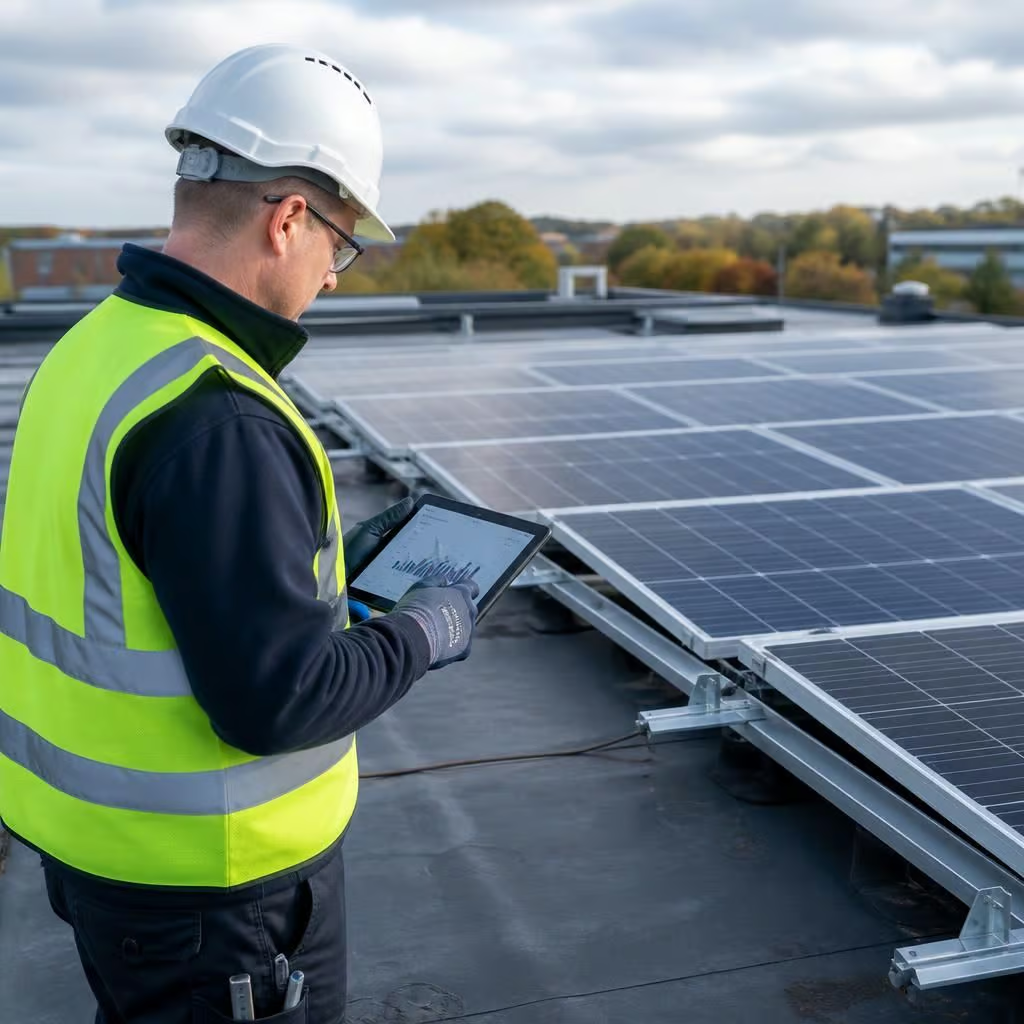
What maintenance does a commercial solar PV system need?
A commercial solar PV system needs planned inspections, performance checks, cleaning where needed and prompt repairs when faults appear. We assess the panels, wiring, inverter, mounting and monitoring data so problems can be identified before they reduce generation or disrupt the system.
Commercial solar PV maintenance is a planned cycle of inspections, testing, cleaning where needed and documented follow-up work. The aim is to find faults before they reduce generation or create a safety risk, while keeping disruption to the business under control.
The maintenance schedule depends on the site. A roof-mounted array at a clean office may need different attention from one beside a farm, factory or busy road. Dust, pollen, bird mess, leaves, salt air, nearby trees and agricultural residue can all affect the system. We consider the roof, access arrangements, operating environment and equipment when recommending the inspection frequency.
A planned visit normally covers the following areas:
- Solar panels: We look for cracked or damaged modules, discolouration, loose components, heavy soiling and signs that water has entered the panel or its connections.
- Mounting equipment: We check rails, fixings, clamps, roof penetrations and visible seals for movement, corrosion or damage. A problem with the mounting system can affect both the panels and the roof covering.
- DC cabling and connections: We inspect cable routes, connectors, clips and isolators for heat damage, wear, water ingress or movement caused by weather and animals.
- Inverter and protection equipment: We check the inverter display, fault history, ventilation and surrounding area. We also examine the AC side, isolators, protection devices and labels so the installation remains safe to operate and maintain.
- Earthing and electrical condition: Appropriate electrical tests help identify deterioration that may not be visible during a visual inspection. We record the findings and explain any remedial work needed.
- Monitoring data: Generation records can reveal a gradual drop in output that is difficult to spot from ground level. We compare the available data with the system’s normal pattern and investigate unexplained changes.
Cleaning is based on the site rather than a fixed routine. Rain may keep some panels sufficiently clear, while dust, bird deposits or nearby construction can leave a layer that affects generation. We assess the panels before recommending cleaning. When cleaning is needed, the method must be suitable for the panel surface and safe for the roof. Abrasive materials, unsuitable chemicals and walking on panels can cause damage.
Vegetation also deserves attention. Overhanging branches can shade panels, drop debris and make roof access more difficult. We can identify shading and access issues during maintenance, although tree work itself may need a separate specialist. If birds or other animals have damaged cables, we explain the repair and any practical steps that could reduce a repeat problem.
Monitoring helps separate a system fault from a communication fault. A portal may stop receiving data even though the panels are still generating, or an inverter may report an alarm that requires the system to be isolated. We check the available readings and equipment indicators rather than assuming that a missing online reading means the whole array has failed.
Some faults are straightforward, such as a damaged connector, failed isolator or blocked inverter ventilation. Others need more investigation, particularly where generation has fallen without an obvious alarm. We explain whether the issue calls for a repair, replacement component, cleaning visit or further diagnostic testing. If the system needs to be shut down, we make the isolation arrangements clear before work starts.
Maintenance is also about keeping useful records. A commercial site may need evidence of inspections, test results, cleaning, faults and completed repairs. We record what we found and what action was taken, so the property manager or facilities team has a clear history for future decisions. We can also identify issues that may affect roof works, insurance requirements or the manufacturer’s warranty conditions.
Where the solar PV system is linked to battery storage, the battery and its controls need checking as part of the wider installation. We look at alarms, operating status, ventilation and visible connections, while keeping the battery’s role separate from the panel generation figures. This helps show whether a problem sits with the array, inverter, storage system or monitoring platform.
Repairs should be carried out by people who understand the electrical risks of PV systems. Solar panels can produce DC electricity whenever there is light, including when the building supply has been isolated. Our NICEIC- and ECA-recognised electrical work covers the relevant testing and repair requirements, with safe isolation considered before work begins.
We provide the findings and any recommended remedial work in writing before proceeding. That gives the business a chance to distinguish essential safety repairs from preventative work and decide how to schedule it around other site activities. Planned maintenance does not remove the need to investigate an unexpected fault, but it makes performance changes easier to identify and gives the system a documented history.
For a commercial system, the right maintenance plan is therefore not simply an annual clean. It is a risk-based programme that keeps the array, electrical equipment, monitoring and records under review, with repairs dealt with before a small defect becomes a larger interruption.
If roof repairs or other building work are planned, tell us before contractors start. Panels, rails and cables may need isolating or removing safely, rather than being worked around.
We inspect the affected equipment and explain what must happen before the work begins. That helps protect the roof, the PV system and anyone working nearby, while avoiding damage caused by unplanned access or cable movement.