How long does an air source heat pump service take?
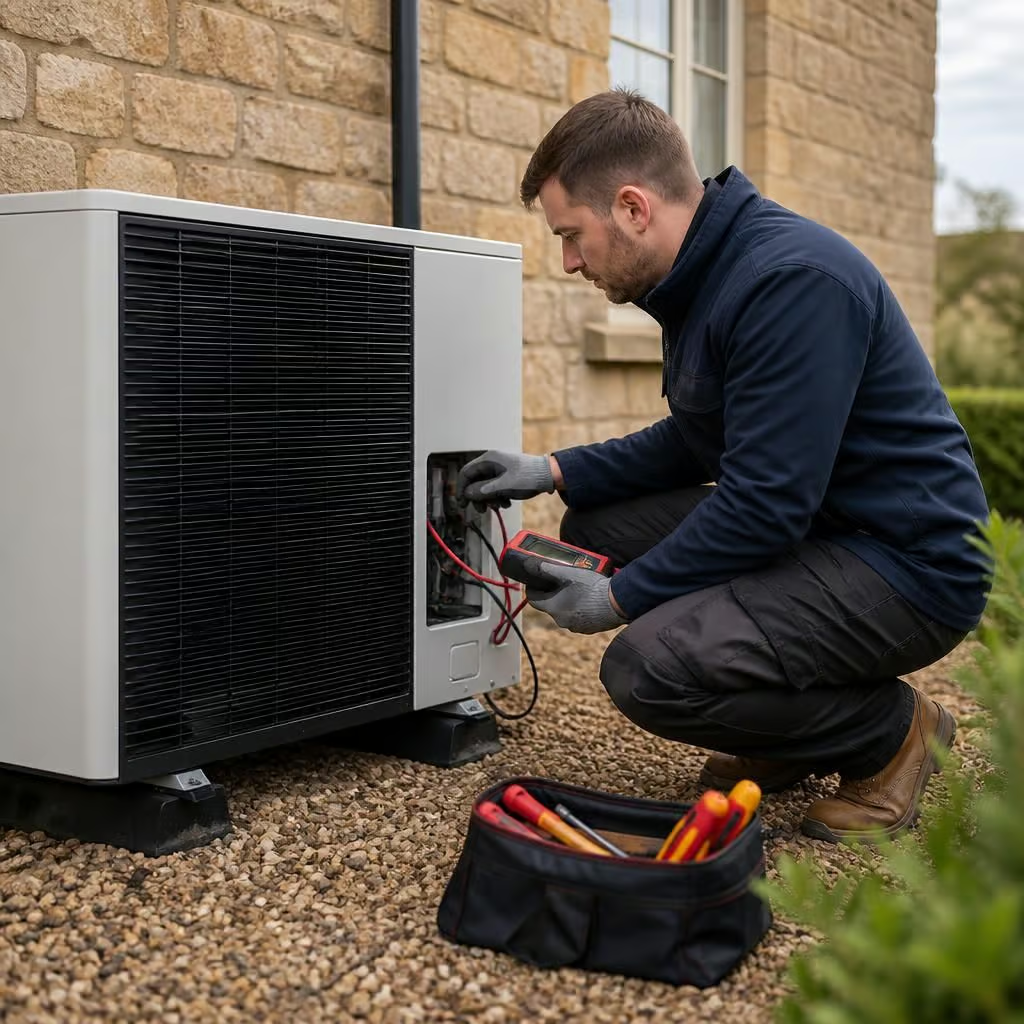
A routine air source heat pump service usually takes part of a day. The exact time depends on the system, access to its components and whether we find a fault that needs further investigation.
Most routine air source heat pump servicing is completed during the scheduled appointment. The time depends on the type of system, how accessible its components are and whether our checks uncover a fault.
For a straightforward installation, we normally work through the system in a set order:
- We inspect the outdoor unit, fan, coil, casing and surrounding clearance.
- We remove leaves, dust and other debris that could restrict airflow.
- We check the indoor unit, filters, pumps, valves, expansion vessel and associated pipework.
- We inspect insulation, joints and the condensate route for signs of leaks, damage or blockage.
- We check electrical connections, controls, sensors and visible safety components.
- We review the system pressure, flow and return temperatures, operating settings and any stored fault codes.
- We run the heating and hot water controls to confirm that the system responds correctly.
A system with several heating zones, a hot water cylinder, a buffer tank or underfloor heating has more components to check. An installation with restricted access can also take longer, particularly when the outdoor unit, pipework or cylinder is difficult to reach safely.
Your outdoor unit needs clear airflow, so we may spend extra time removing obstructions or checking whether nearby planting, stored items or accumulated debris could affect its operation. We also look at the condensate discharge, since poor drainage can lead to freezing, blockages or water damage during cold weather.
The system may need to be switched off briefly while we inspect electrical connections, filters and internal components. We explain any interruption before work starts and restore the controls after the checks. A routine service should not involve taking the system apart beyond the access needed for proper inspection and cleaning.
If we find a fault, the service visit can include initial diagnosis. A worn component, damaged cable, refrigerant-related issue or control problem may need further work, specialist testing or a replacement part. We explain what we have found, what needs doing and whether a separate visit is required rather than carrying out unapproved extra work.
After the service, we explain any adjustments or maintenance that would help the system operate correctly. We record defects that need attention and provide written details for recommended follow-up work. That leaves you with a clear distinction between completed servicing, work that is advised and anything that can safely wait.
Before the engineer arrives, make sure the outdoor unit, cylinder and controls are accessible. Clear leaves or stored items from around the unit if it is safe to do so, and note any unusual noise, error message, weak heating or hot water problem. Those details help us focus the visit and avoid spending the appointment trying to identify when the issue began.
The time needed can also depend on the information available about the installation. If you have the system manual, previous service notes or records of earlier faults, keep them nearby. They help us understand the equipment and any previous changes before we begin, so the appointment can stay focused on the checks the system needs.
We’ll explain if the work falls outside a routine service. You’ll know which checks have been completed during the appointment and which recommendations need a separate decision.