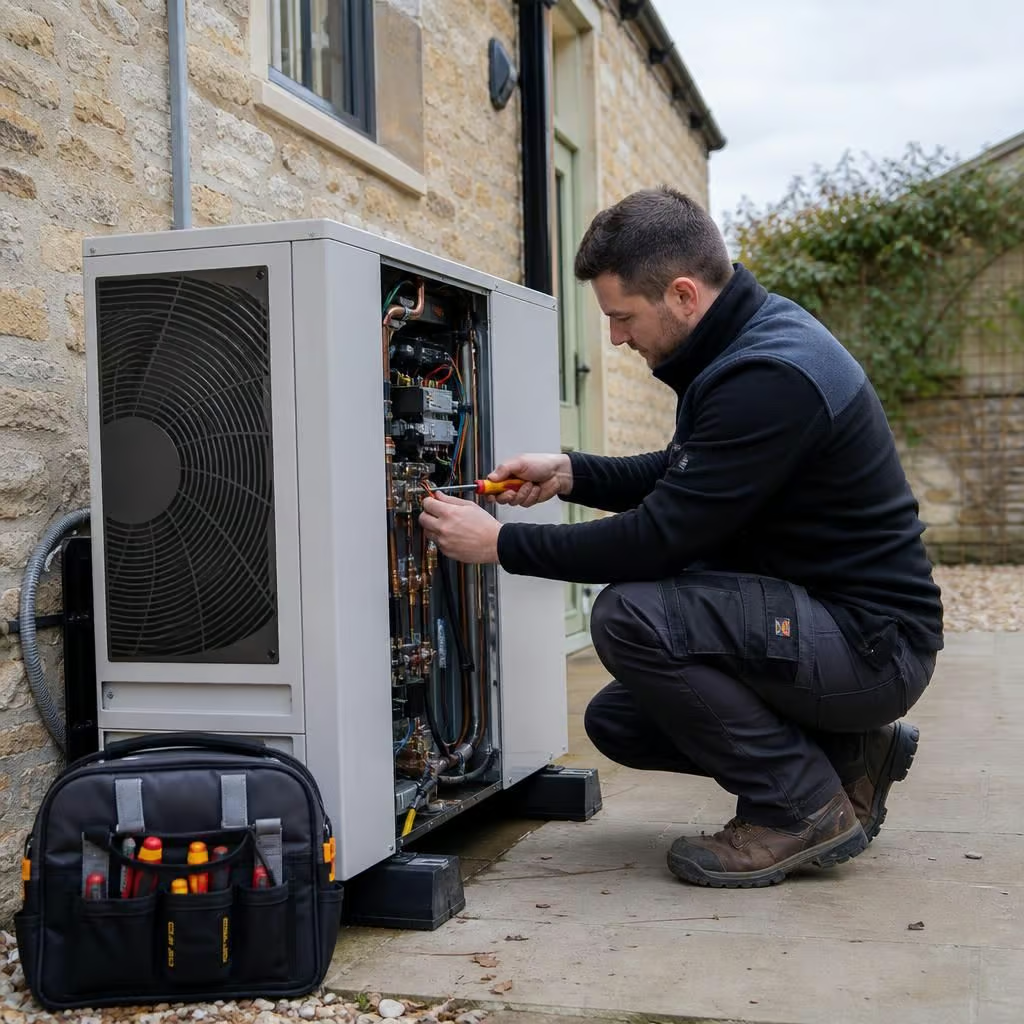
How long does air source heat pump repair take?
Air source heat pump repairs can take from a short visit to longer work, depending on the fault, access and whether replacement parts are needed. We diagnose the system first, explain what needs doing and complete the repair when the required parts are available.
Air source heat pump repairs are often completed during the diagnostic visit when the fault is clear and the required part is available. More involved repairs take longer because we may need to trace an intermittent fault, order a component or return after testing the system safely.
A simple control or electrical fault may take less time than a problem affecting water flow, defrosting or the refrigeration circuit. A failed sensor, loose connection, tripped protection device or incorrect controller setting can sometimes be identified and corrected during the first visit. We test the system afterwards rather than relying on the display code alone.
Your heat pump may show a fault code without that code identifying the underlying cause. We compare the code with the system’s temperatures, pressures, flow and return readings, pump operation and controls. This helps prevent a new part being fitted when another fault caused the original problem.
- Control faults: A thermostat, programmer, wiring connection or control setting may be checked and corrected during the visit.
- Low flow or circulation faults: We investigate valves, pumps, strainers, air in the heating circuit and system pressure before deciding what needs repair.
- Defrosting or outdoor unit faults: Ice build-up, restricted airflow, fan problems and sensor readings can require more detailed testing.
- Component failures: If a pump, sensor, control board or valve needs replacing, the repair depends on identifying the correct component and obtaining it.
- Intermittent faults: A system that works for part of the day may need longer testing because the fault has to be reproduced or monitored.
Parts availability is one of the main reasons a repair may need a second visit. We record the equipment details, identify the correct component and explain the next step before ordering anything. The repair time then includes fitting the part, checking connections and running the heat pump through the relevant operating cycle.
Your property can also affect the work. Older homes, converted buildings and systems installed in stages may have longer pipe runs, mixed controls or restricted access to the indoor unit. We allow time to understand how the system has been connected, rather than treating the outdoor unit in isolation. If radiator or pipework changes are contributing to poor performance, we explain that separately from a failed component.
Safety checks are part of the repair. We isolate electrical equipment where necessary, check the cause of any trip or overheating, and confirm that the system operates correctly before leaving. A reset without finding the reason for the fault may only postpone the problem.
Some visits lead to a repair recommendation rather than immediate work. If the fault involves an obsolete component, repeated failures or a system that has been incorrectly sized or configured, we explain the available options and the likely disruption. That gives you a basis for deciding between repair and a wider upgrade.
Before arranging the work, it helps to note the fault code, when the problem started and which parts of the heating system still operate. Photos of the indoor controls and outdoor unit can also help us identify the equipment. We use that information to plan the diagnostic visit and avoid unnecessary delays.
Once the fault has been diagnosed, we explain what can be done, what may require a follow-up visit and what you can expect the repair to involve. You receive a written quotation before chargeable work starts, so the decision remains yours.
The time until your heating is working again isn’t always the same as the time spent on site. We may identify the fault during the first visit but need a replacement component, further readings or approval before completing the repair.
If the system has stopped because a safety device has operated, we won’t keep resetting it to restore heat temporarily. We find out why it operated and explain any restriction on using the system. That can prevent a further fault from damaging the heat pump or leaving the home without heating again.