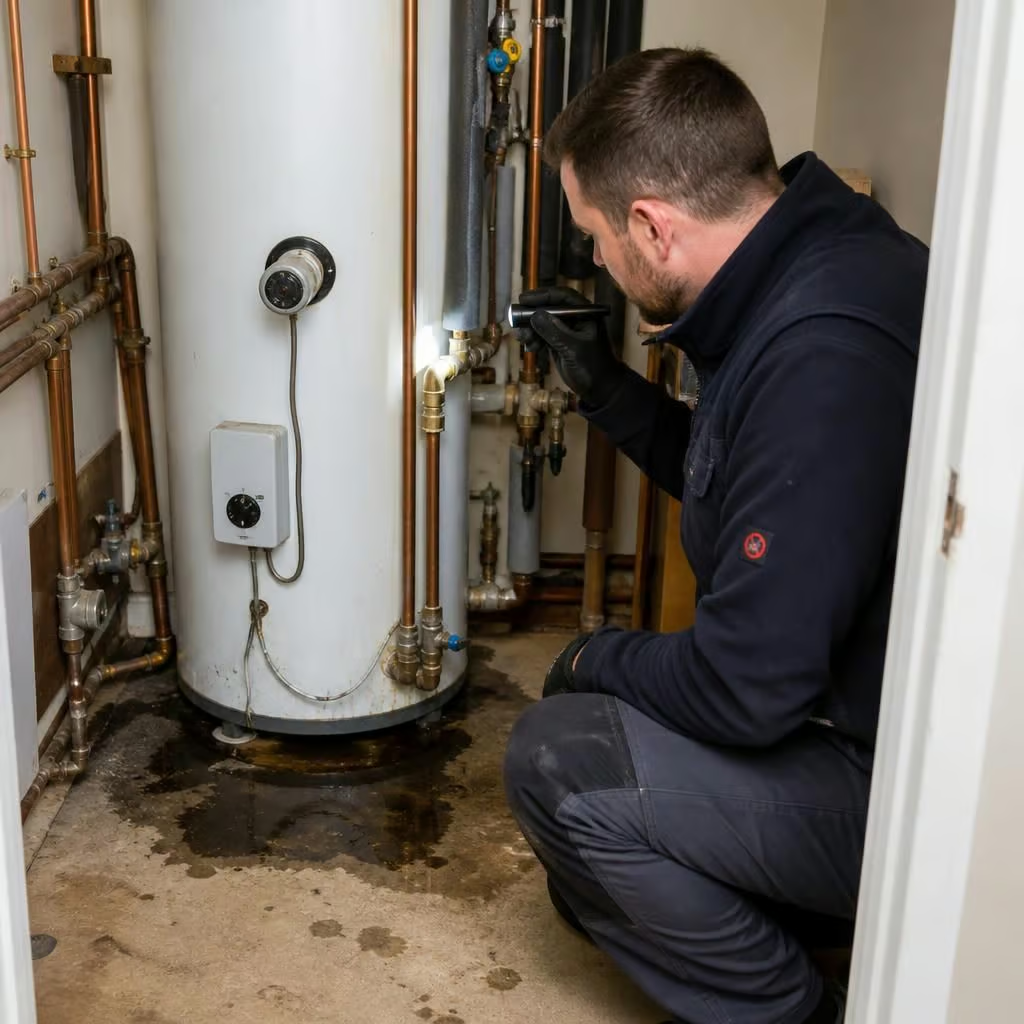
Can a leaking hot water cylinder be repaired?
Sometimes, yes. We can repair a leaking hot water cylinder when the fault is limited to a valve, fitting or connection, but a split or badly corroded cylinder usually needs replacing.
Yes, a leaking hot water cylinder can sometimes be repaired, but the repair depends on where the water is coming from. If a replaceable component has failed, we can usually deal with that part. If the cylinder shell has split or corrosion has weakened it, replacement is normally the safe option.
Water around the cylinder does not always mean the cylinder itself has failed. The source may be a connection, temperature and pressure control component, immersion heater seal or discharge pipe. Water can also run down the outside of the cylinder from a higher point, making the leak seem worse than it is. We trace the water back to its source before recommending work.
Turn off the immersion heater and any other heat source serving the cylinder if it is safe to do so. If water is reaching electrical equipment, keep clear and isolate the electricity at the consumer unit. You may also need to shut off the cold water supply to the cylinder. Do not remove covers or loosen safety components while the system is hot or pressurised.
A small drip from a fitting may need a new seal, valve or section of pipework. An immersion heater that is leaking at its flange may be repairable without changing the cylinder. We check the condition of the surrounding metal before deciding, because tightening a damaged connection can make the leak worse.
A cylinder body cannot normally be patched reliably. Corrosion may begin inside the cylinder, where it cannot be seen, and a temporary external repair may fail when the system heats and cools. A damp patch, rust staining, bulging, or water appearing from the base points towards a cylinder that has reached the end of its serviceable life.
Unvented cylinders need particular care. They operate under mains pressure and include safety controls that must work together. A leak from the temperature and pressure relief arrangement, expansion controls or associated pipework needs proper diagnosis rather than repeated resetting or adjustment. We check the safety equipment as part of the inspection and make sure the cylinder is left operating correctly.
Vented cylinders have a different arrangement, usually with a cold-water storage cistern and gravity-fed pipework. The repair may involve the cylinder connections, feed and expansion pipework or the control serving the cylinder. The type of system affects both the diagnosis and the parts needed.
If replacement is necessary, we first check access, cylinder dimensions, pipe positions, heat-source connections and the condition of nearby components. That matters in older homes, where a replacement may need to fit a restricted cupboard or connect to an oil, LPG or renewable heating system. We explain any associated changes before work begins.
Replacing a cylinder usually means draining the stored hot water and isolating the relevant heating equipment. The work can be more involved if the cylinder is in a tight airing cupboard, if pipework has corroded, or if the existing controls no longer meet the requirements of the new installation. We discuss the expected disruption after seeing the installation rather than guessing from the leak alone.
Our heating and plumbing engineers diagnose the fault, explain whether repair is sensible, and provide a written quotation before replacement work starts. On completion, we refill and vent the system, check for leaks, test the controls and confirm that the hot water is heating correctly.
For a leaking cylinder, the useful information to have ready is where the water appears, whether the leak continues when hot water is not being used, and whether the cylinder is vented or unvented. Photographs can help us understand the layout, but they do not replace a safe inspection where water is close to electrical equipment.
A small leak can cause more damage than the visible drip suggests. Water may travel beneath flooring, behind an airing-cupboard panel or into nearby timber before it becomes obvious.
Keep the area accessible and take a photograph before moving anything if it is safe to do so. We look at the surrounding pipework, fittings and cupboard base as well as the cylinder, so the repair deals with the source rather than only the wet patch.