How long must landlords keep CP12 gas safety records?
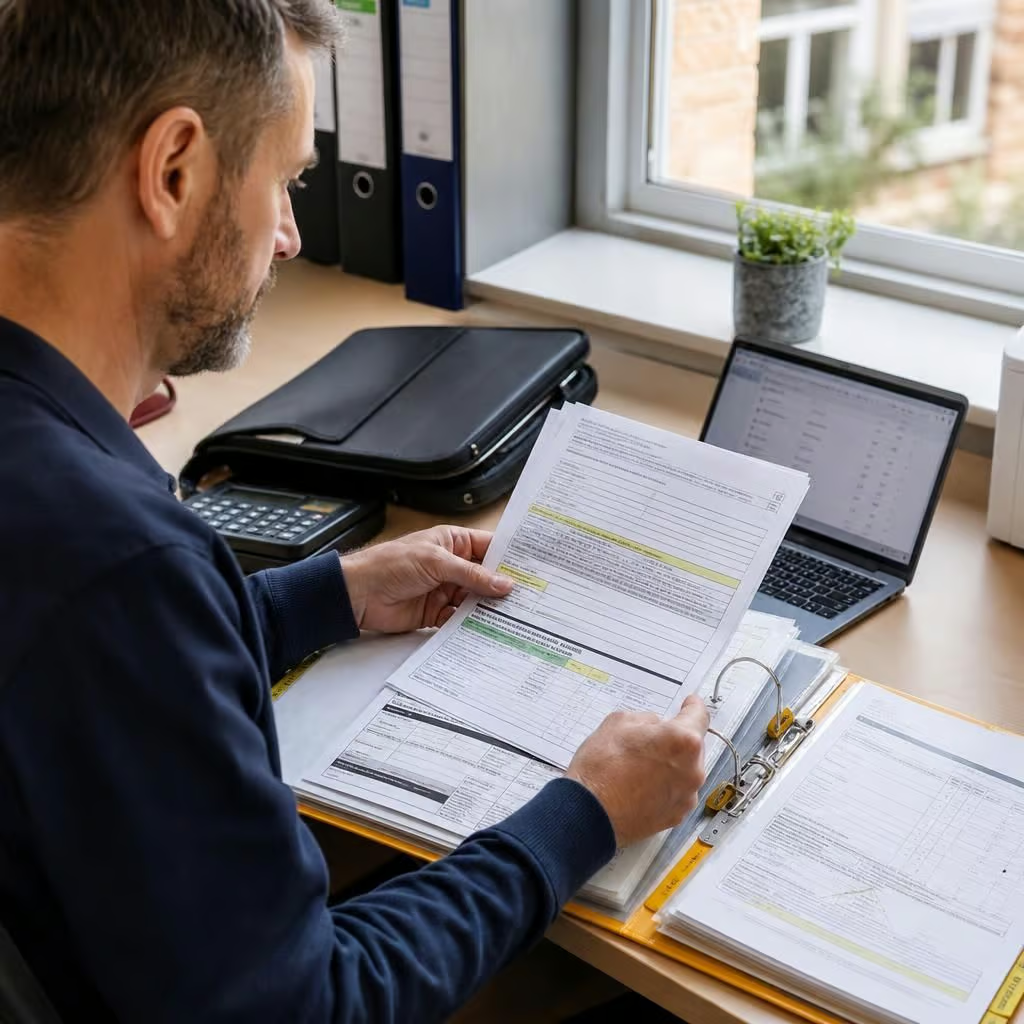
Landlords must keep each CP12 gas safety record for at least two years from the date of the inspection. Store it securely with the property’s other compliance records, and provide copies to tenants as required.
The retention period applies to each completed gas safety record, not only the latest document. Keep the records in a dated sequence for each rented property, so you can show the inspection history if the Health and Safety Executive, a tenant or a managing agent asks for it.
A CP12 is the common name for the document, although the legal requirement is to keep the gas safety record produced by the engineer. The record should identify the property, the appliances and flues checked, the results, any defects found, the remedial work required and the engineer who carried out the inspection.
Keep records by property and tenancy. A landlord with several homes should not rely on one general compliance folder. Store the documents under the correct address, with the inspection date clearly visible. If a property has several gas appliances, keep the record for the whole check together with any follow-up paperwork.
A new inspection does not make earlier records irrelevant. The previous documents show when checks took place and whether defects were identified. They can also help an engineer understand recurring problems, replacement appliances or changes to the flue arrangement.
Keep remedial paperwork with the record. If an appliance or flue is marked as unsafe, retain the original record alongside evidence of what happened next. That might include a repair invoice, a commissioning record, a warning notice, photographs or written confirmation that an appliance was disconnected. A later clear inspection does not remove the need to document the earlier failure.
Electronic storage is acceptable in practice when the files remain complete, readable and accessible. A sensible system uses clearly named PDF files, regular backups and restricted access. Paper copies can work just as well, provided they are protected from loss, damp and accidental disposal.
Do not store the only copy in an email inbox belonging to a former property manager. Landlords should retain control of the compliance records, even when an agent arranges inspections and sends documents to tenants. A management agreement may allocate the administration, but it does not remove the landlord’s legal responsibilities.
Plan the next inspection from the recorded date. The annual check is due on each property’s own schedule. If an inspection is arranged early within the permitted period before the existing due date, the next due date can normally stay aligned with the previous schedule. Keep the engineer’s dated record and calendar reminder together so an early visit does not create confusion about the following year.
The record also matters when a tenancy changes. Before a new tenant moves in, check that the relevant inspection has been completed and that the paperwork is available. When a tenancy ends, keep the record as part of the property’s compliance history rather than discarding it with other tenancy documents.
If a record has gone missing, contact the engineer or managing agent that arranged the inspection and ask for a copy. Do not recreate a certificate from memory. If the inspection cannot be evidenced, arrange the required gas safety check and retain the new record with an explanation of the missing document.
We keep the inspection findings and any remedial work clearly connected, so the property file shows what was checked and what happened afterwards. Our Gas Safe registered engineers can carry out landlord gas safety checks and provide the paperwork needed for the tenancy records.
A CP12 is only one part of a useful property record. Keep appliance manuals, installation details and service or repair paperwork with it, so an engineer can see the equipment’s history without relying on the latest inspection alone.
When responsibility passes to a new managing agent, give them an organised copy of the file and keep access to the originals. That makes future checks easier to arrange and helps distinguish routine maintenance from defects recorded during a gas safety inspection.