
What happens if my solar water heating system stops working?
If your solar water heating stops working, check the controller display and power supply without touching the panels or pipework, then contact us if the fault remains. We identify whether the problem is with the pump, controller, sensors or system pressure and explain the repair before carrying it out.
A solar water heating system that has stopped contributing hot water needs checking before anyone resets or opens it. A blank controller, low system pressure, a failed pump, a faulty temperature sensor or a problem with the cylinder controls can all stop heat reaching the hot water cylinder. We identify the failed part, make the system safe and explain whether repair or replacement is sensible.
Not every cool day indicates a fault. Solar thermal collectors produce less heat during periods of cloud, short daylight or low sun. Your conventional boiler or immersion heater should normally provide the remaining hot water. If the backup heater is working but the solar contribution has disappeared in good weather, the solar circuit needs investigation.
Safe checks you can make
- Look at the controller without removing its cover. A blank screen, warning symbol or unusual temperature reading is useful information for us.
- Check whether the dedicated electrical supply or fused connection unit has been switched off. If it has tripped again after being reset once, leave it off and arrange an inspection.
- Check the hot water cylinder’s normal heating controls. The cylinder may still be receiving heat from the boiler or immersion heater, even when the solar circuit is not operating.
- Look from ground level for obvious staining, damaged insulation or fluid beneath pipework. Do not climb onto the roof or touch collector pipework, as the fluid and components can become very hot.
Do not remove the pump station cover, loosen a valve or release pressure from the solar circuit. Solar thermal fluid can be hot and pressurised. It may also need replacing if it has degraded, rather than simply topping up with water.
Common reasons for a solar thermal system stopping
- A circulation pump has failed. The collectors may be hot, but heat cannot move through the circuit to the cylinder. A seized pump, electrical fault or control problem can produce this symptom.
- A temperature sensor is giving the wrong reading. The controller uses sensor readings to decide when the pump should run. A failed or displaced sensor can stop circulation or run it at the wrong time.
- The system has lost pressure. A leak, failed expansion vessel or pressure relief discharge can reduce circulation. The pressure gauge may show a reading outside its normal range.
- Air has entered the circuit. Air can prevent the pump from moving fluid properly and may cause noise or irregular circulation.
- A valve or controller has failed. The solar pump may be healthy while a valve, relay or controller prevents the system from operating.
- The heat transfer fluid has deteriorated. Excessive heat, age or repeated overheating can affect the fluid’s ability to circulate and transfer heat.
- The cylinder or backup controls have a fault. The collectors may be producing heat, but a cylinder sensor, coil, immersion control or motorised valve may prevent useful hot water production.
A system that has been left unused for a long period can also show problems when it is brought back into service. We check for seized components, damaged insulation, poor pressure and fluid condition rather than assuming the collector itself has failed.
What we check during a repair visit
We begin with the symptoms: when the hot water contribution stopped, whether the controller has recorded a fault, and whether the boiler or immersion heater still works. We then compare the collector and cylinder temperatures, inspect the pump station and check the pressure, valves, expansion vessel and pipework.
The roof collectors are assessed from a safe position wherever possible. We look for visible damage, displaced sensors and signs of leakage, while checking the accessible pipework and insulation. We also test whether the controller is sending the correct signal to the pump and whether the system responds as the collector temperature changes.
If the circuit needs opening, we use the correct procedure for solar thermal fluid. The work may include repairing a leak, replacing a sensor or pump, renewing degraded fluid, purging air, checking pressure and recommissioning the controls. We test the system after the repair so you know when solar heat is being transferred to the cylinder.
When repair may not be the right option
A repair is not always sensible if the collectors, pump station, cylinder or controls are heavily corroded, obsolete or affected by several faults. In that situation, we explain which parts are still serviceable and compare the likely repair cost with a replacement system. You receive a written quotation before work starts, with no surprise charges.
Older properties can have unusual roof layouts, long pipe runs or cylinders installed in restricted cupboards. Those details affect access and the practical repair method. Our experience with rural homes and older heating systems helps us assess the whole installation rather than replacing a component without finding the cause.
If the system has stopped working, keep the backup hot water method available if it is safe to do so and record any controller message or pressure reading. Tell us about any leak, unusual noise, repeated electrical trip or loss of pressure. That information helps us arrive prepared to test the correct part of the system.
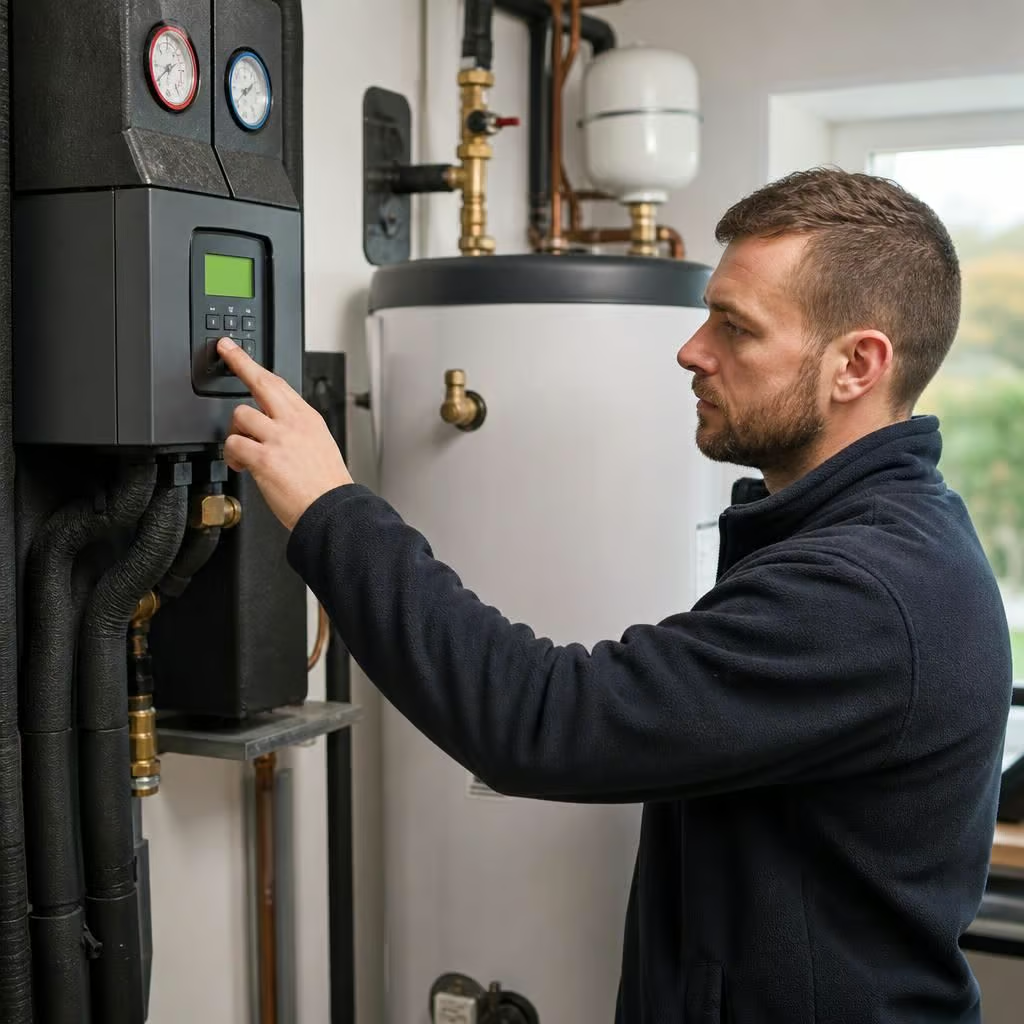
If the system works on some sunny days but not others, note when the hot water contribution stops and what the controller displays. Intermittent faults often point to a sensor, connection or control signal rather than a failed collector.
That record gives us a useful starting point. We can reproduce the fault, test the readings against the actual collector and cylinder temperatures, and identify the part that needs attention instead of replacing working equipment.