Will a heat pump keep my home warm in cold weather?
Yes. An air source heat pump can keep a properly assessed home warm in cold weather when it is correctly sized for the building’s heat loss and set up to run efficiently.
Its efficiency falls as outdoor temperatures drop, so we account for cold-weather performance when designing the system rather than relying on typical winter conditions.
Air source heat pumps continue extracting heat from the air below freezing. Their output and efficiency change as the temperature drops, so the design of the system matters more than the lowest temperature shown on the forecast.
How a heat pump behaves in winter
A heat pump moves heat from outside into the home rather than creating heat by burning fuel. Cold air still contains usable heat, and the system keeps operating as outdoor temperatures fall.
Its efficiency reduces in colder weather because the temperature difference between the outdoor air and the heating system becomes greater. The heat pump may therefore draw more electricity during a cold spell. That is normal operation, not a sign that the system has stopped working.
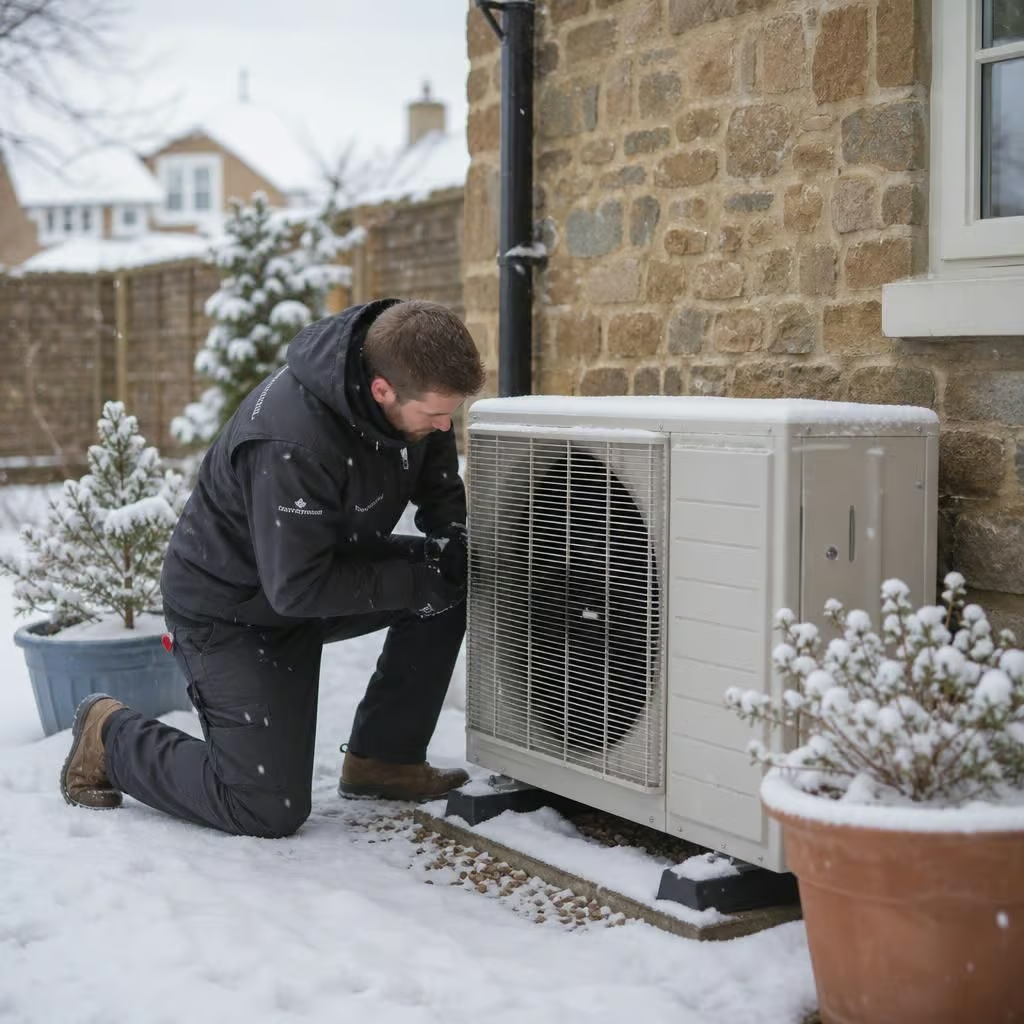
Ice can form on the outdoor unit in damp, cold conditions. The heat pump briefly reverses its cycle to melt that ice, then returns to heating. You may notice a short change in sound or operation during defrosting. We allow for this when selecting and positioning the unit.
Why steady heating feels different
A heat pump usually runs for longer periods at a lower temperature than a traditional boiler. It is designed to maintain a steady indoor temperature rather than rapidly raise the temperature after the heating has been switched off.
That means the house may feel more consistently warm, but the radiators may not feel as hot to touch. Turning the thermostat up sharply will not produce the same rapid burst of heat as a boiler. The system works best when the temperature is allowed to remain fairly steady.
Weather compensation can adjust the heating temperature as outdoor conditions change. On milder days, the system supplies less heat. During colder weather, it raises the temperature supplied to the radiators or underfloor heating. This helps the home remain comfortable without running the system harder than necessary.
What affects comfort during a cold spell
- Heat loss: Draughts, uninsulated areas, single glazing and solid walls can increase the heat needed to maintain the indoor temperature.
- Heat emitters: Radiators and underfloor heating must be able to release enough heat at the temperatures produced by the heat pump.
- Controls: Poorly set thermostats or schedules can make a correctly designed system feel underpowered.
- Outdoor unit position: The unit needs a clear flow of air and enough space for defrost water to drain safely.
- Electrical supply: The property needs an electrical connection suitable for the heat pump and any associated equipment.
Older homes can work well with a heat pump, but the building fabric and heating distribution need honest assessment. A solid-wall house, barn conversion or off-gas-grid property may need changes to insulation, radiators, pipework or controls before the system can deliver comfortable heat efficiently. We explain which changes are necessary and which are optional, rather than treating every property the same.
What happens at the coldest point
Every heat pump has a published operating range and a maximum heat output. As outdoor temperatures fall, the available output can reduce. The design must account for the local winter conditions and the amount of heat the house loses at those conditions.
Some systems include an immersion heater or another form of supplementary heating for exceptional conditions or hot water production. This should be understood as part of the design, not relied on to cover an unsuitable installation. We explain when supplementary heating may operate and how it is controlled.
Hot water also requires different settings from space heating. The system may raise the cylinder temperature at intervals, which can use more electricity than normal heating. A suitable cylinder, control strategy and daily schedule help keep this operation predictable.
How we check the winter design
Before recommending a system, we look at the construction of the property, its existing heating arrangement, insulation, windows, room use and available electrical capacity. We consider how the home is occupied rather than relying only on its floor area.
The design then sets the heat pump output, radiator requirements, pipework changes, cylinder arrangement and controls. If a room cannot reach the required temperature with the proposed system, we identify that before installation. This is particularly important in older houses where room sizes, extensions and construction methods vary significantly.
A written quotation separates the main equipment from any enabling work, so you can see what is needed to make the system perform properly. We can also discuss whether a heat pump is suitable for the property at all. If the required changes do not make practical or financial sense, we say so.
With the right design and controls, a heat pump can keep a home comfortable through winter. The key is accepting its steady operating pattern and matching the system to the building, rather than expecting boiler-style bursts of heat.
During a cold spell, the outdoor unit needs unobstructed airflow. Snow, leaves or stored items against the grille can restrict the air it needs to collect heat.
Defrost water also needs a clear route away from the unit. We check the unit’s position and drainage during the design, so winter frost does not create an avoidable obstruction. Keep the area clear after installation, and never cover the unit while it is operating.