
How long does an oil or LPG boiler installation take?
An oil or LPG boiler installation takes less time when the replacement follows the existing layout; changes to the flue, tank, pipework or radiators can extend the work. We confirm the likely timescale after surveying the property and include it in the written quotation.
A straightforward oil or LPG boiler replacement may be completed during one installation visit. More involved work can require additional preparation or a return visit, particularly where the fuel storage, flue, controls or heating circuit needs altering. We give you a written work sequence and expected duration once we have inspected the property.
The installation itself is only one part of the job. We first establish how the existing system is arranged and what the replacement needs to operate safely. This includes checking:
- the boiler location and access for removing the old appliance;
- the flue route, terminal position and clearances;
- the oil tank or LPG storage arrangement and fuel pipework;
- the heating and hot water pipework;
- the electrical supply, controls and any programmer or thermostat;
- the condition and sizing of radiators where the system is being upgraded; and
- the route for condensate discharge and any required drainage changes.
On an older or rural property, access can make a noticeable difference. A boiler in a tight cupboard, a plant room reached through a narrow passage or equipment positioned away from the main house may need more careful planning. We identify those restrictions before the work starts rather than discovering them halfway through the installation.
The fuel arrangement can also affect the duration. An oil boiler replacement may involve checking the tank, oil line, fire valve and filtration. An LPG system may need its cylinder or bulk tank connection, regulator and gas pipework reviewed. If any part is unsuitable for the new appliance, we explain the required work before agreeing the installation sequence.
During the installation, we remove the old boiler and prepare the mounting area, flue and connections for the replacement. We connect the heating, hot water, fuel, electrical and control systems, then check that each part operates together. If radiators or pipework need changing, that work can extend the installation beyond a simple appliance swap.
Commissioning is an important part of the time involved. We set the boiler correctly for the property, test combustion and safety controls, check for leaks, balance the heating where needed and verify the hot water operation. We do not treat the job as finished when the boiler first fires.
Once the system is working, we explain the controls and routine checks. You receive the relevant installation and commissioning paperwork, along with information about servicing and keeping the fuel system safe. Oil-fired work is carried out by OFTEC-registered engineers, which is particularly relevant for homes that are not connected to the gas grid.
Factors that can add time include:
- moving the boiler or changing its flue position;
- replacing ageing heating or fuel pipework;
- altering the oil tank or LPG supply arrangement;
- adding or relocating controls;
- improving radiator capacity for a different heating output;
- working in a listed building, barn conversion or solid-wall property where routes are restricted; and
- finding an issue with the existing system that needs correcting before commissioning.
Some preparatory work can be completed before the installation visit. For example, we may agree the position of the boiler, arrange access, confirm the tank requirements and identify any pipework or electrical changes in advance. That keeps the installation itself focused on fitting, testing and handing over a working system.
Your quotation should separate the boiler replacement from any associated changes, so you can see what affects the duration and cost. We explain which work is essential for safe operation, which improves the system and which is optional. This is especially useful where an older oil or LPG installation has been altered several times over the years.
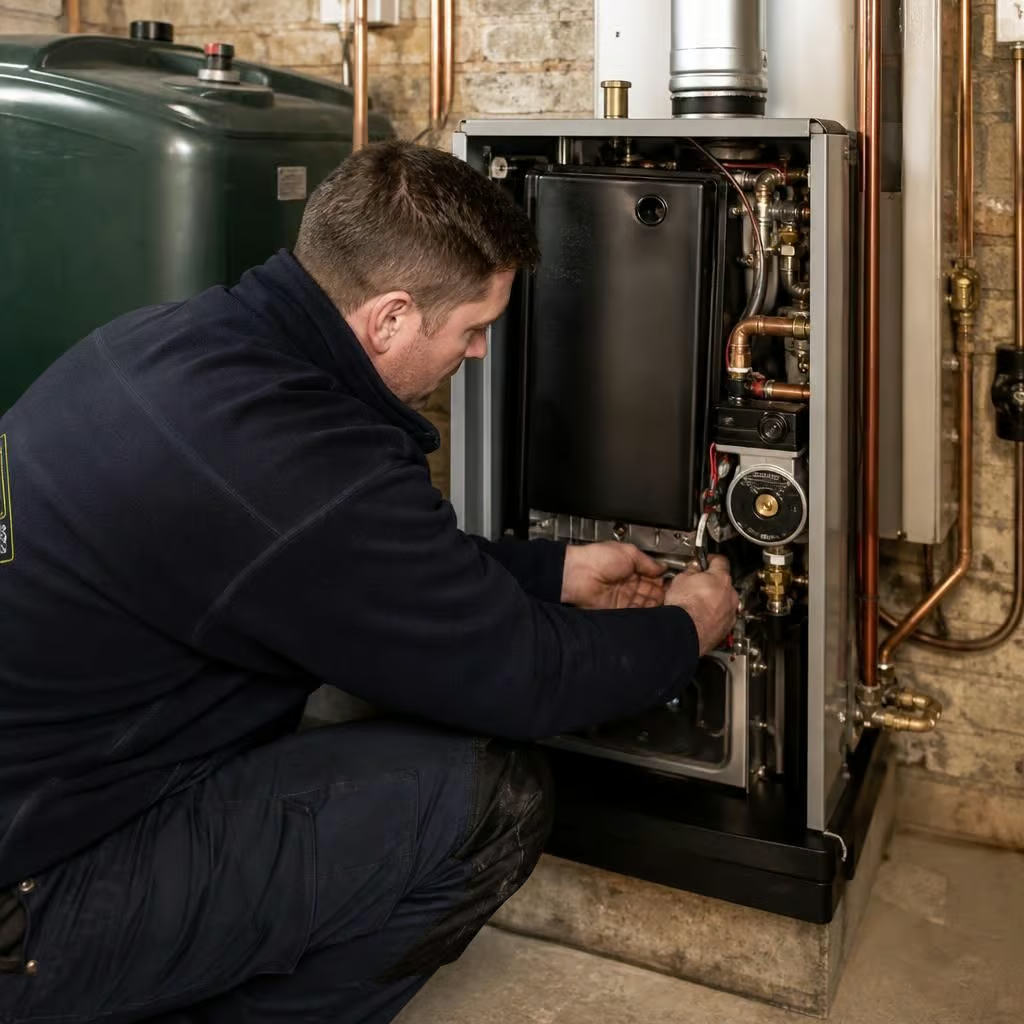
The installation date can change if the old boiler reveals a fault that was hidden during normal operation. A corroded connection, damaged fuel line or unsafe flue cannot simply be left in place. We explain the issue, the work needed and any effect on the remaining schedule before proceeding.
That keeps the final installation time tied to the condition of the system, rather than an estimate based only on the new boiler. You know what has changed and why before extra work is carried out.